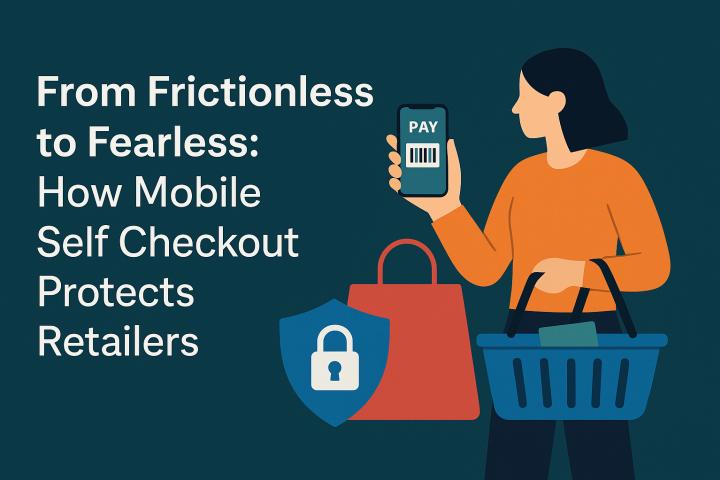
In this technology-driven world, innovation has become a cornerstone for businesses, particularly in the highly competitive retail sector. One standout advancement is mobile self-checkout—a system that allows customers to scan and pay for items using their smartphones or handheld scanners.
This technology not only reduces long queues but also enhances the overall shopping experience, contributing to greater customer satisfaction. In fact, the global self-checkout systems market was valued at over $4 billion in 2021, which underscores its growing adoption worldwide.
However, more than simply implementing a mobile self-checkout solution is required to ensure success. To maximize its potential, retailers must adopt effective communication strategies that encourage customer adoption and integrate the system seamlessly into their shopping journey.
This blog explains mobile self-checkout and provides actionable insights to help you create engagement strategies that will make this solution a game-changer for your retail business.
What is a Mobile Self-Checkout System?
It also replaces standard counters for checkouts and provides customers. The use of point-of-sale-device for application mobile self-checkout for retail has brought a significant change to how shoppers check out; avoiding long queues. For customers, it makes shopping easier.
For retailers, it cuts overhead expenses, enhances effectiveness and delivers customer insight. However, to ensure widespread adoption, you must actively engage your customers and help them understand the value of this innovative solution.
How Can You Create Effective Engagement Strategies for Your Store’s Mobile Self-Checkout Systems?
Engagement strategies have to be innovative and educated, encouraged, and revamped consistently from time to time. Let me share with you how you can elevate your mobile self-check-out solution to become a core part of your retail store.
1. Educate Your Customers About the System
One of the primary concerns here is that people are simply not aware, or do not understand, how new systems such as the mobile self-checkout operate. The proposition is that many customers are reluctant to change their behavior, particularly when it comes to new technologies. The gap can be closed if more comprehensive and detailed explanations are given about how the particular system can be used.
Provide large posters at key positions within the store and around key merchandise locations, pointing customers to a new mobile self-checkout solution. The use of QR codes pointing to specific instructional videos or instructional guides can be beneficial. Also, educate your employees to interact with your first-time customers on the operational systems; they should feel comfortable using it.
2. Offer Incentives for Using Mobile Self-Checkout
Promises of additional incentives are a proper way to entice the customers to opt for and start using the mobile self-checkout solution. For the customers as well, it’s advantageous because after payment is made, they can be given certain coupons, bonuses for loyalty or even a token amount for using the system for making payments in order for them to complete their purchases.
For example, you can decide to conduct a promotion on top of mobile-self checkout that directs customers to additional bonus points for every purchase they make during a particular time.
3. Integrate Personalization to Enhance Engagement
The only way to reach out to the targets or customers as people is to customize. There are many strategies by which you could use the data from the mobile self-checkout system to patrol and recognize shopper conduct and tendencies. It enables reminders of special offers, membership-based customer preferences, and individual purchasing offers.
For instance, when a customer has just finished a mobile self-checkout, the application may recommend items that this customer has previous records of buying. In the same way, you are also able to send special alerts about new shipments and special offers that concern their field of concern. Personalization has benefits and increases the customer's spirit that is being appreciated to come back for more.
4. Simplify and Streamline the User Experience
Your self-checkout system on a mobile should be user-friendly and efficient. Users find it very annoying when using a system that displays a rough interface or hitches very often. Using customer perspectives to direct design and implement changes that reduce the number of steps required to complete a purchase.
Always release new version of the app to solve issues as well as to provide improved features of the app. You should also perform the test in order to find out more about the pains of people and what changes should be made. Satisfied customers are more likely to use the mobile self-checkout rather than the traditional methods hence creating and improving the existing trust.
5. Promote the Benefits of Mobile Self-Checkout
For the increase in usage of the mobile self-checkout systems, there is a need to speak to the benefits. Stress on their ability to cut down the time, avoid contact and make shopping as comfortable as possible. Publicize the messages via other marketing tools including facebook, twitter, email and promotional stands.
You could make interesting posts, such as short videos or stories of the customers who used your mobile self-check-out solution and saw the changes. What you are communicating when you set the value proposition clearly is that they have nothing to lose and lots too gain if they try out the system.
6. Build Trust through Security and Transparency
The use of technology in business transactions is a security issue for consumers. Inform them that your mobile self-checkout is secure. Emphasize how you reinstate it which includes virus protection, a fraud detection system, and safe payment processing platforms.
Transparency also do matters to a great extent. Are there any problems or changes that can be foreseen in completion, and how is relevant information shared about customers? Transparency should be implemented since understanding what a platform does with a user’s data may help convince reluctant individuals to use it.
Conclusion
Implementing a mobile self-checkout solution in your retail store is a significant step toward modernizing the shopping experience. However, the effectiveness of the system requires strategic interactions with the consumers and modification of the system within their buying process. To increase adoption and to get the utmost of it, always inform your customer, encourage them, treat them individually and for the user interface to be perfect.
This is a reminder that the focus must be on consistently applying the needed efforts and always acting in the customer’s interest. If your customers are the focus, your self-scanning facility as a part of your mobile application is not just an added tool, but rather a unique selling point for your retail business.