
Vehicle-to-Grid (V2G): The Future of Energy and Mobility
As a leading EV charger manufacturer in China, LiCB Charge offers reliable AC and DC electric vehicle charging stations along with comprehensive charging solutions.
As sustainability and energy efficiency become global priorities, Vehicle-to-Grid (V2G) technology is emerging as a transformative solution that connects electric vehicles (EVs) with the power grid. V2G enables EVs not only to draw energy from the grid but also to feed it back, turning them into mobile energy storage units. This innovation is reshaping energy management, lowering carbon emissions, and enhancing grid resilience.
What Is V2G?
Vehicle-to-Grid (V2G) refers to a two-way energy exchange between electric vehicles and the power grid. Unlike traditional one-directional charging, V2G allows EVs to discharge energy back to the grid, providing flexibility in power distribution.
Though often linked with bidirectional charging, V2G is distinct: it specifically involves supplying energy from the EV battery to the grid, integrating EVs into the broader energy system.
How Does V2G Work?
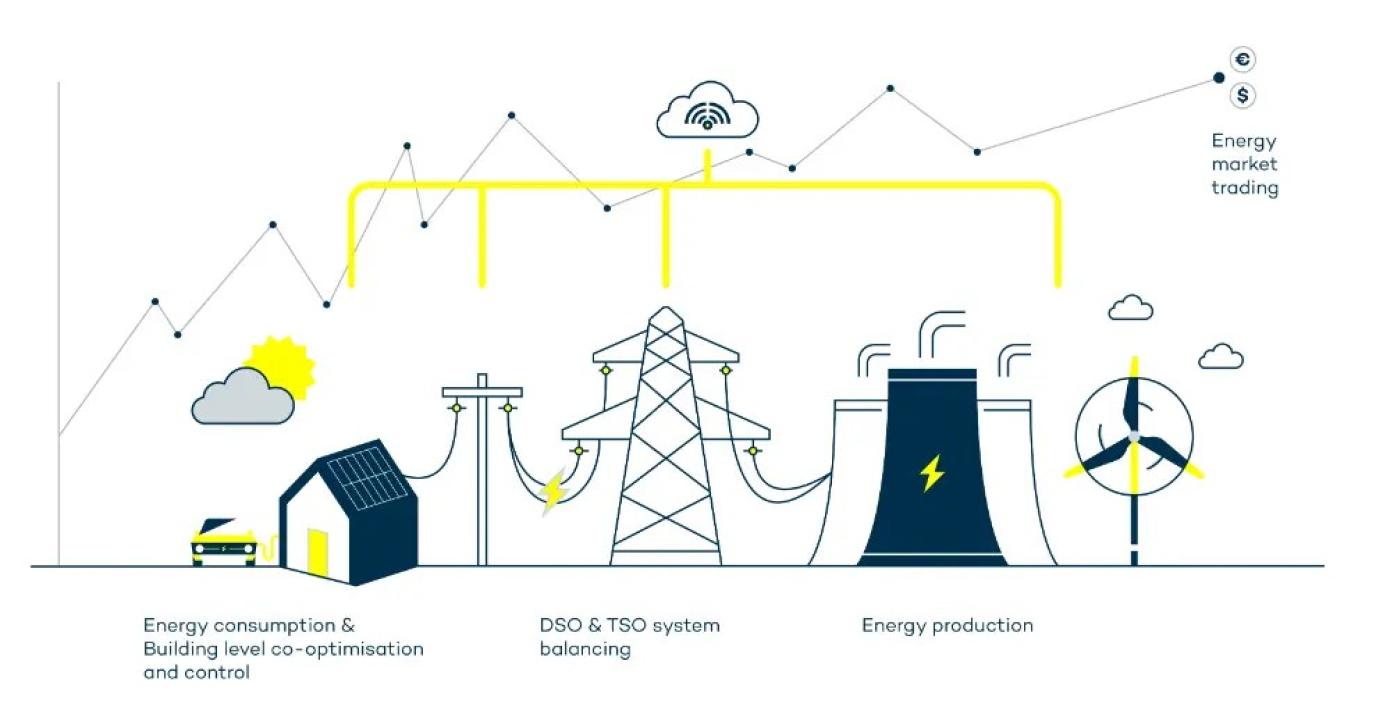
V2G helps balance the supply and demand of electricity on the grid, which must be perfectly matched at all times.
Key Mechanisms:
-
Charging and Discharging: EVs plugged into V2G-compatible chargers can either draw or return power based on grid demands or user preferences.
-
Smart Communication: EV owners can input preferences—such as required charge levels and departure times—allowing the system to optimize energy flow.
-
Grid Services: V2G-equipped EVs support grid functions like frequency regulation and peak load management, reducing the need for fossil-fuel-based peaker plants.
-
Energy Arbitrage: Owners can benefit financially by charging during off-peak hours and selling energy back during high-demand periods.
Bi-Directional Chargers: The Backbone of V2G
V2G requires bi-directional chargers capable of converting AC to DC for battery charging and DC to AC for feeding energy back to the grid. These advanced chargers also communicate with both the grid and the vehicle’s systems to ensure safe and efficient operation.
Applications of V2G Technology
-
Home Backup Power: In outages, V2G-capable EVs can supply electricity to homes.
-
Renewable Energy Integration: EVs store surplus solar or wind power and discharge it during low-generation periods.
-
Fleet Optimization: Commercial EV fleets can reduce costs by supporting the grid during downtime.
-
Emergency Power: During disasters, EVs can provide backup for critical services like hospitals or shelters.
V2G-Ready EVs
Not all EVs support V2G yet, but the number is growing. Notable models include:
-
Ford F-150 Lightning: Supports home backup and grid interaction.
-
Nissan Leaf: A pioneer in V2G technology, involved in global pilot programs.
-
GMC Hummer EV: Offers V2G and Vehicle-to-Home (V2H) support.
-
Mitsubishi Outlander PHEV: Early adopter of bi-directional charging.
-
Volvo EX90: Expected to feature V2G functionality upon release.
Challenges and Opportunities
Challenges:
-
Lack of Standards: No universal protocol for bi-directional charging leads to compatibility issues.
-
High Costs: Bi-directional chargers remain expensive, though costs are expected to decline.
-
Battery Degradation: Frequent charge/discharge cycles may impact battery life, though ongoing R&D is addressing this.
Opportunities:
Despite hurdles, V2G offers a compelling path toward a more flexible and sustainable energy system. As EV adoption grows, V2G will play a pivotal role in reducing fossil fuel reliance and strengthening grid stability.
The Future of V2G
Global pilot projects in the U.S., UK, Japan, Denmark, and beyond are proving the feasibility and benefits of V2G. As battery technology, smart grids, and renewables advance, V2G is set to become a cornerstone of the energy transition.
Conclusion
Vehicle-to-Grid technology is more than just a feature—it's a game-changer. By enabling EVs to act as dynamic energy assets, V2G transforms the power grid, empowers consumers, and accelerates our shift toward a clean energy future. As adoption expands, V2G will redefine the relationship between transportation and electricity, making both more sustainable and resilient.Know more about Google SEO Directory