In recent years, India has witnessed a transformative shift in how citizens access financial services. At the heart of this digital revolution lies the Bharat Bill Payment System (BBPS)—a framework launched by the National Payments Corporation of India (NPCI) to standardize and streamline bill payments across the country. With the rise of BBPS-enabled platforms, BBPS software development has emerged as a pivotal force powering financial inclusion and transparency, especially in rural and semi-urban India.
In this article, we’ll explore the step-by-step process of BBPS software development, its core features, benefits, and most importantly, how it supports the vision of Digital India by bridging the gap between consumers and digital payment infrastructure.
What Is BBPS?
The Bharat Bill Payment System is a centralized ecosystem that enables interoperable and accessible bill payments across various categories like electricity, water, DTH, gas, telecom, loan repayments, and more. It is regulated by the RBI and operated by NPCI, ensuring standardization, security, and scalability in bill payment services.
The purpose of BBPS is to offer an integrated platform where customers can pay multiple bills—online or offline—through a single interface, making transactions more efficient and transparent.
The Role of BBPS Software in the Digital Ecosystem
To deliver these services to end-users, companies rely on BBPS software solutions that enable businesses to act as bill payment agents or aggregators. These platforms serve as a bridge between customers and biller networks through secure BBPS API integrations.
Whether it’s a travel agency, fintech startup, or retail store, businesses can offer bill payment services using robust BBPS software. These tools not only enhance service offerings but also generate additional revenue via commissions and transaction fees.
Step-by-Step Process of BBPS Software Development
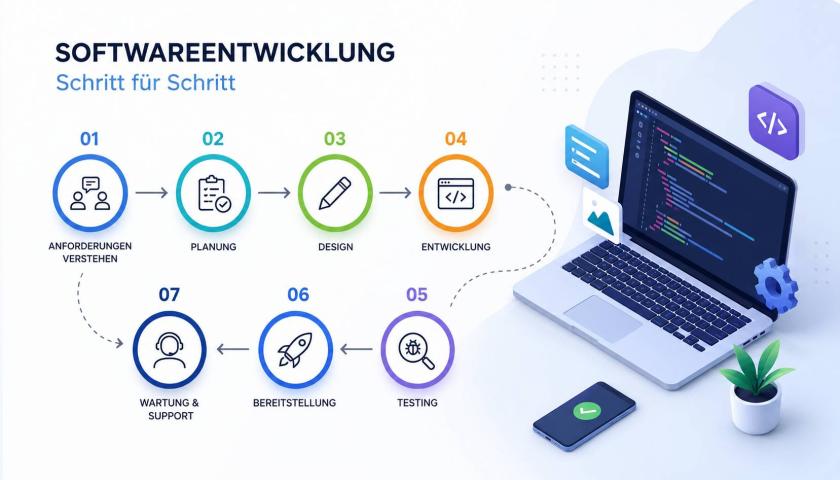
Developing a BBPS-enabled platform requires adherence to regulatory frameworks, system scalability, and secure data handling. Let’s break down the process:
1. Requirement Gathering and Compliance Understanding
The first step involves defining business goals—whether you aim to be a BBPS agent institution, customer touchpoint (agent), or a platform provider. Developers must also study NPCI guidelines, as BBPS compliance is mandatory. This phase outlines:
-
Regulatory requirements
-
Scope of services (categories like electricity, gas, loan EMI, etc.)
-
Expected transaction volume
-
Role in BBPS hierarchy (agent, aggregator, or API provider)
2. API Integration with NPCI and Billers
The core of any BBPS software lies in API integration. A certified BBPS API Provider connects your software to the NPCI network and underlying billers. These APIs facilitate:
-
Biller onboarding
-
Fetching bill details
-
Payment processing
-
Reconciliation and refund management
API security and uptime play a vital role in system stability.
3. Admin and Retailer Panel Development
A comprehensive admin dashboard allows system administrators to manage transactions, agents, biller services, and commissions. Retailer panels provide user-friendly interfaces for initiating and tracking bill payments. Key features include:
-
Real-time transaction status
-
Commission and payout tracking
-
Auto reconciliation system
-
Agent management tools
These panels must be mobile-responsive and built for ease of use, especially in areas with low digital literacy.
4. Payment Gateway and Wallet Integration
To support diverse payment modes (UPI, debit card, net banking, wallets), the BBPS software integrates with secure payment gateways. Many platforms also include an internal wallet system for agents to pre-load balance for faster transactions.
5. Security Implementation and Compliance Testing
Security is critical. The platform must be PCI-DSS compliant and use SSL encryption to protect user data. Developers also need to conduct thorough UAT (User Acceptance Testing), NPCI sandbox testing, and vulnerability assessments to ensure the software meets BBPS regulatory standards.
6. Deployment and Ongoing Maintenance
Once tested and approved, the software is deployed on scalable cloud architecture. Post-launch, ongoing support includes API updates, bug fixes, system audits, and user training to ensure uninterrupted services.
Features of a Robust BBPS Software Solution
An efficient BBPS platform should offer the following capabilities:
-
Multiple Bill Categories: Electricity, water, telecom, DTH, gas, loan repayment, and more.
-
Instant Bill Fetching and Payments: Real-time updates on bill details and transaction status.
-
Retailer & Distributor Hierarchy: Role-based access and commission distribution.
-
Automated Payout System: Daily/weekly settlement options for agents.
-
Reporting Tools: Detailed reports for transactions, refunds, and earnings.
-
White Label Options: For businesses looking to run their own branded bill payment portal.
-
24/7 Availability: Cloud-hosted platforms to support round-the-clock operations.
Benefits for Businesses and End Users
For Businesses:
-
New Revenue Streams: Earn commission on every successful transaction.
-
Customer Footfall: Attract more customers with value-added services.
-
Brand Trust: Offering regulated BBPS services builds customer confidence.
-
Operational Control: Admin tools give real-time insights and control over agent activity.
For End Users:
-
Convenience: Pay multiple bills from a single platform or nearby agent.
-
Transparency: Receipts and real-time confirmations provide peace of mind.
-
Accessibility: Rural and semi-urban users can access digital services through local agents.
How BBPS Supports Digital India
The Digital India mission aims to empower citizens with access to digital services across governance, education, and finance. BBPS software plays a direct role in achieving this vision by:
-
Extending digital payments to remote areas through on-ground agents
-
Encouraging cashless transactions across all income groups
-
Promoting financial literacy via simplified bill payment platforms
-
Empowering MSMEs and rural retailers with tools to grow their digital footprint
With affordable internet and increasing smartphone penetration, BBPS platforms ensure that even the most underserved communities are not left behind.
Conclusion
As India moves rapidly toward a digital economy, the development and deployment of BBPS software solutions are critical in driving inclusive growth. By enabling businesses to offer seamless, secure, and regulated bill payment services, BBPS development empowers both service providers and end-users alike.
For tech-driven entrepreneurs, fintech developers, and local retailers, now is the ideal time to invest in BBPS software development. Not only does it align with India’s digital goals, but it also opens doors to new business models, greater revenue, and meaningful community impact.
In a nation where digital inclusion is the key to progress, BBPS-enabled platforms are more than software—they are the foundation of financial empowerment.