
Content creation, music production, and home studios, sound quality is everything. Whether you're a professional musician, podcaster, YouTuber, or simply someone who appreciates audio clarity, acoustic treatment has become a crucial part of creating spaces that sound as good as they look.
The journey of a sound wave begins the moment it leaves an instrument, speaker, or voice. It travels, bounces, reflects, and sometimes distorts if the environment isn’t tuned to accommodate it. That’s where acoustic treatment steps in — to tame, control, and perfect the acoustics of a room, transforming it into a professional-grade environment.
Let’s explore how acoustic panels, acoustic boards, acoustic sheets, and other acoustic materials play a pivotal role in this transformation.
Why Acoustic Treatment Matters
Acoustic treatment is the process of improving a room’s sound quality by minimizing unwanted echoes, reverberations, and background noise. Unlike soundproofing, which blocks sound from entering or leaving a space, acoustic treatment focuses on what happens to the sound within the room.
A well-treated room ensures that you hear the music or voice as it was intended—clean, accurate, and balanced. Without acoustic treatment, recordings may sound muddy or harsh, and mixing or mastering music becomes a guessing game.
For musicians, this means more accurate monitoring, better mixes, and ultimately, better music. For creators, this means content that sounds professional, polished, and pleasant to the ears.
The Key Elements of Acoustic Treatment
There are three main types of issues that acoustic treatment aims to resolve:
Reflection: When sound bounces off hard surfaces like walls, ceilings, or floors, it creates unwanted echoes.
Reverberation: A prolonged sound that results from multiple reflections, making recordings sound distant or washed out.
Standing Waves and Bass Build-up: Low-frequency sound waves that accumulate in corners and along walls, affecting clarity and balance.
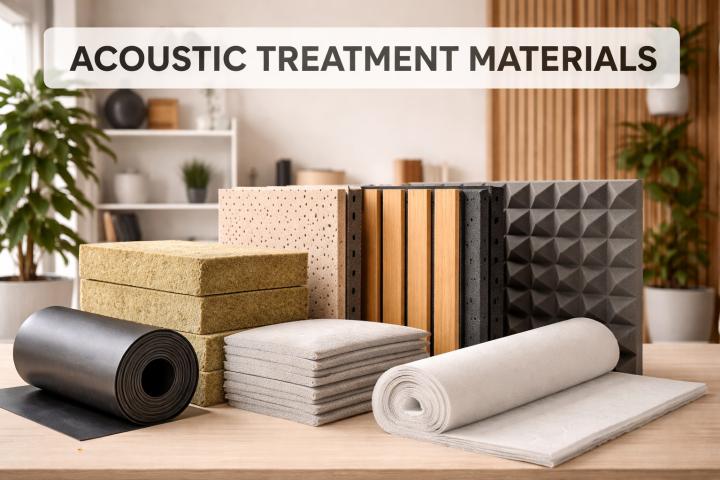
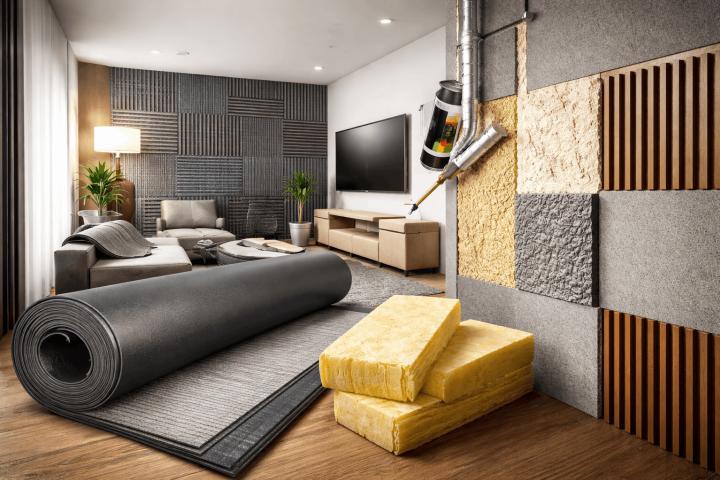
To tackle these issues, professionals rely on a combination of acoustic panels, acoustic boards, acoustic sheets, and other acoustic materials.
Acoustic Panel: The Frontline Defense
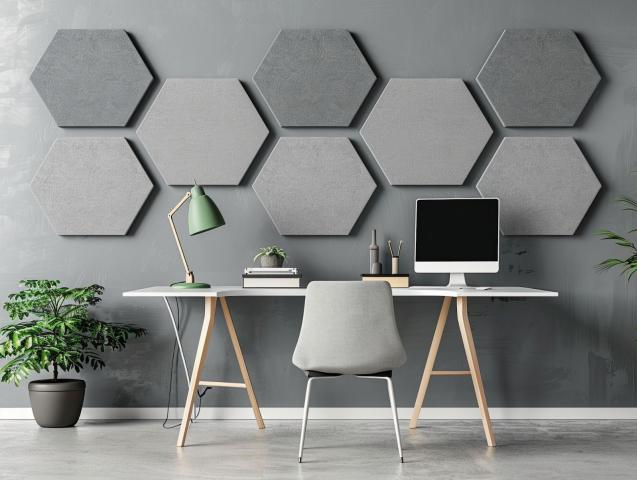
Acoustic panels are perhaps the most recognizable form of acoustic treatment. These are rectangular or square-shaped panels typically made of dense acoustic materials like fiberglass or foam.
Placed on walls, ceilings, or even hanging as baffles, acoustic panels absorb mid to high frequencies, reducing echoes and reflections. This leads to a tighter and more controlled sound.
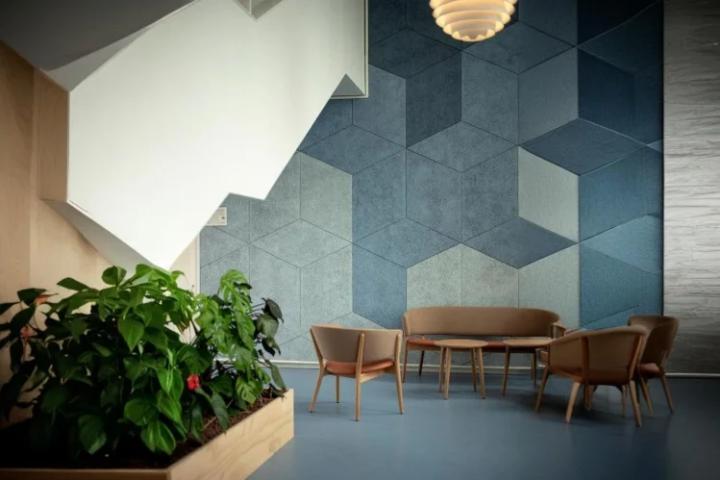
Modern acoustic panels are not just functional—they can also be aesthetic. With customizable fabrics, patterns, and even prints, they blend seamlessly into studios, home theatres, or creative spaces.
Acoustic Board: Versatility and Strength
Where acoustic panels shine in simplicity and flexibility, acoustic boards offer structural strength and versatility. Often used in walls, ceilings, or as part of modular acoustic systems, acoustic boards are made from compressed acoustic materials such as mineral wool, polyester, or wood fiber.
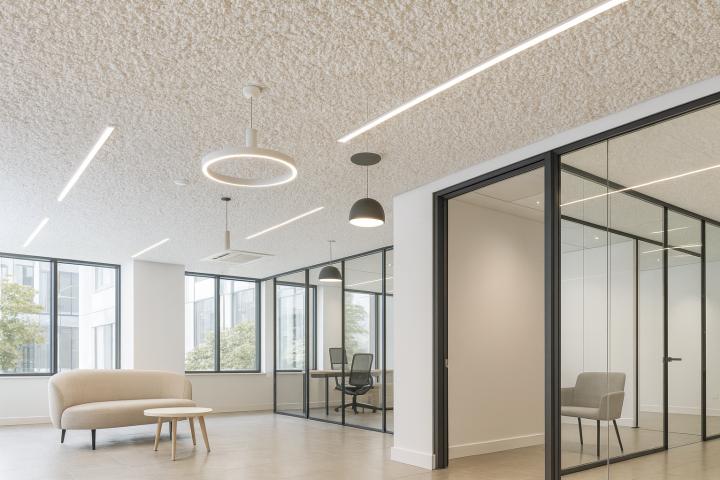
Acoustic boards are effective across a wider range of frequencies and can be installed permanently or semi-permanently depending on the room’s function. Their rigidity makes them ideal for commercial studios, rehearsal spaces, or performance halls where durable and high-performance acoustic treatment is necessary.
Acoustic Sheets: Thin but Mighty
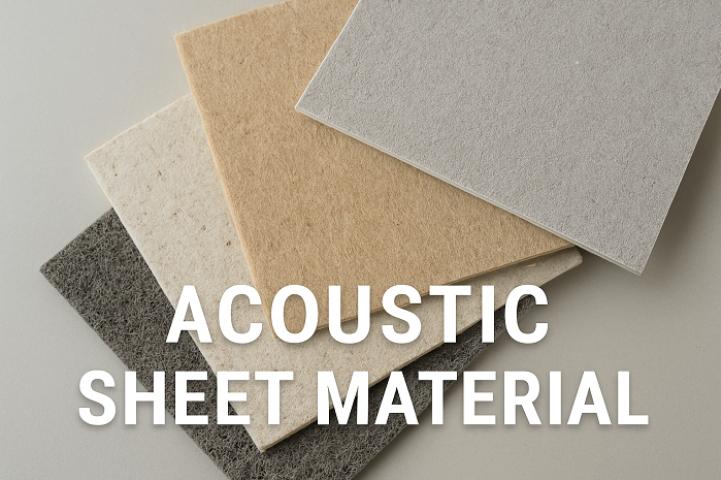
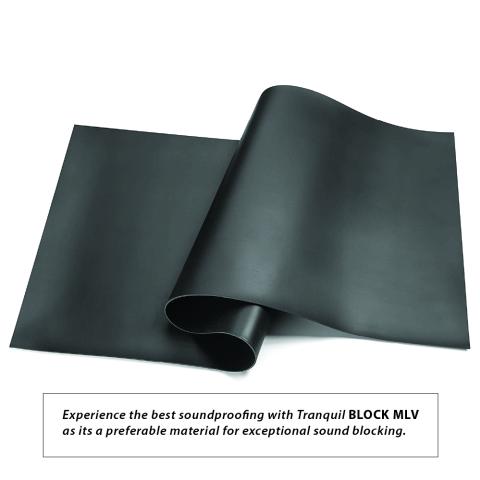
Acoustic sheets are thin, flexible sheets made of sound-absorbing or sound-blocking materials. Though not as thick or dense as panels or boards, acoustic sheets are perfect for temporary setups or spaces where mobility is essential.
Musicians on tour, mobile podcast studios, or home creators can benefit from the portability and ease of use acoustic sheets offer. They can be draped over walls, furniture, or even used to create makeshift vocal booths. Despite their slim profile, well-designed acoustic sheets made from quality acoustic materials can provide noticeable improvements in sound control.
Choosing the Right Acoustic Materials
The success of any acoustic treatment lies in the choice of acoustic materials. Different materials absorb different frequencies. For example:
Foam: Great for high-frequency absorption.
Fiberglass: Offers balanced absorption across mid and high frequencies.
Mineral Wool: Effective for both sound absorption and thermal insulation.
PET (Polyethylene Terephthalate): A sustainable and versatile choice with strong acoustic performance.
Wood Wool and Fabric-Wrapped Panels: Combine aesthetics with performance.
Each application—be it a drum room, podcast studio, or vocal booth—may require a different mix of acoustic panels, acoustic boards, and acoustic sheets, depending on the room size, shape, and sound goals.
Acoustic Treatment for Different Creative Spaces
Home Studios
For bedroom producers and home musicians, starting with acoustic panels behind monitors and above the mixing desk is a good first step. Adding acoustic boards in corners or along side walls can further enhance sound accuracy.
Podcast or Streaming Setups
Content creators often record in small rooms, which can result in boxy or boomy sound. Acoustic sheets and acoustic panels behind the speaker’s voice can significantly improve vocal clarity.
Music Practice Rooms
Rehearsal rooms often suffer from too much reverb. A mix of acoustic boards and acoustic panels along reflective surfaces can make sessions more productive and less fatiguing.
Performance Spaces
Large spaces like auditoriums or worship halls benefit from advanced acoustic treatment that includes wall-mounted acoustic panels, ceiling-suspended baffles, and strategically placed acoustic boards to ensure clear and consistent sound for audiences and performers alike.
Sustainable and Smart Acoustics Future
The world of acoustic treatment is evolving. Eco-friendly acoustic materials are becoming more popular, with brands offering solutions made from recycled PET, organic fibers, and biodegradable composites. Moreover, with smart integration, panels are now available with embedded lighting, art, and IoT sensors—merging design, function, and tech.
Conclusion
No matter where you are on your creative journey, from recording your first track to producing albums or streaming to thousands, good sound is non-negotiable. Investing in proper acoustic treatment not only elevates your content’s quality but also enhances your creative process.
By understanding how acoustic panels, acoustic boards, acoustic sheets, and the right acoustic materials work together, you can shape your space into a high-performance audio environment that brings out the best in your sound—and your talent.