Introduction:
In today's fast-paced digital world, where businesses race to meet shifting customer demands, the need for flexible, efficient, and collaborative project management frameworks is greater than ever. Two terms that dominate this landscape are Agile and Scrum. While often used interchangeably, they’re not the same, and when it comes to project safety, predictability, and success, many professionals ask: What is safer, Agile or Scrum?
To answer this, we need to understand what each term means, how they’re applied, and which provides more control, predictability, and accountability in real-world scenarios. If you're exploring Scrum certification, planning to join a scrum master training, or researching agile & scrum training, this comprehensive guide will help you make an informed decision.

Understanding Agile and Scrum
What is Agile?
Agile is a project management philosophy that emphasizes flexibility, customer collaboration, and iterative development. It originated as a response to traditional, rigid project management models like Waterfall.
Core Principles of Agile:
Individuals and interactions over processes and tools
Working software over comprehensive documentation
Customer collaboration over contract negotiation
Responding to change over following a plan
Agile is not a framework itself but an umbrella term for various frameworks and methodologies including Scrum, Kanban, Lean, XP (Extreme Programming), and more.
What is Scrum?
Scrum is a framework under the Agile umbrella, specifically designed to implement Agile principles. It provides defined roles, ceremonies, and artifacts that guide teams in iterative product development.
Key Components of Scrum:
Roles: Product Owner, Scrum Master, and Development Team
Events: Sprint, Sprint Planning, Daily Scrum, Sprint Review, and Sprint Retrospective
Artifacts: Product Backlog, Sprint Backlog, and Increment
Scrum's structure makes it one of the most popular frameworks in scrum master training and placement programs today.
Comparing Agile and Scrum in Terms of Safety
1. Predictability and Control
Agile: Offers broad principles, leaving it up to the team to decide how to implement them. While this promotes flexibility, it can sometimes lead to ambiguity.
Scrum: Provides a structured, repeatable framework. With predefined roles and events, it introduces discipline and rhythm to projects, making Scrum safer in terms of process clarity and control.
Verdict: Scrum is safer when your organization needs standardized processes and clear responsibilities.
2. Team Accountability and Role Clarity
Agile: Roles and responsibilities are generally defined at a high level.
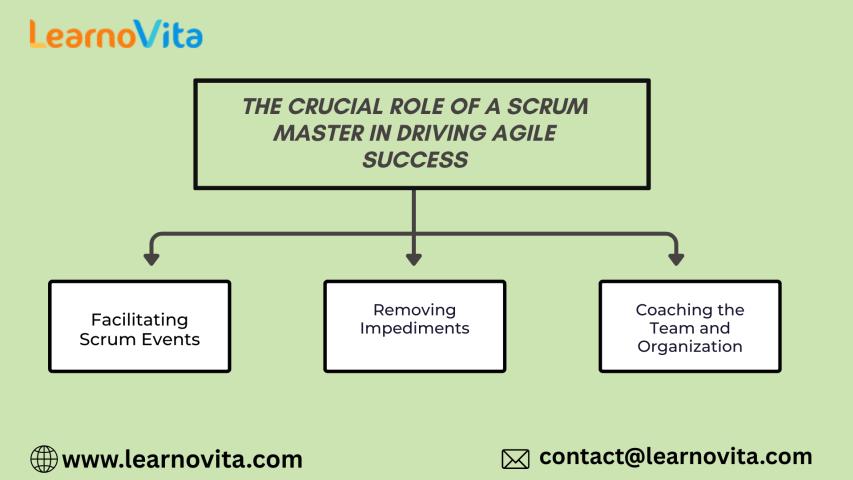
Scrum: Roles are clearly defined. The Scrum Master protects the team from distractions and ensures Scrum is followed. The Product Owner manages the backlog and stakeholder expectations.
Verdict: Scrum provides more safety with role accountability, which can reduce confusion and internal conflicts.
3. Risk Management
Agile: Encourages continuous feedback and adaptation but doesn't mandate specific checkpoints.
Scrum: Enforces regular inspect-and-adapt points like daily stand-ups and sprint reviews that make risk identification a part of the process.
Verdict: Scrum is safer due to frequent inspection opportunities that help catch risks early.
4. Consistency Across Teams
Agile: Can be interpreted differently across teams, leading to inconsistent results.
Scrum: Offers a uniform structure that can be scaled using frameworks like SAFe or Nexus.
Verdict: For companies prioritizing consistency and scalability, Scrum offers a safer path forward.
5. Training and Adoption
Agile: General Agile training is helpful, but implementation success depends on how teams interpret Agile principles.
Scrum: With structured scrum master training online and scrum training classes, professionals can gain clear, actionable knowledge.
Verdict: Scrum is safer in terms of ease of training and onboarding new teams.
Real-World Example: Agile vs Scrum in Action
Let’s compare two scenarios from the same tech company:
Team A (Agile without Scrum)
Follows Agile principles
Lacks fixed cadence
Developers often unclear about what’s next
Missed client deadlines and unclear deliverables
Team B (Scrum)
Follows Scrum strictly with defined sprints
Daily stand-ups uncover blockers early
Scrum Master ensures team stays focused
Product Owner aligns development with business goals
Outcome: Team B consistently delivered on time, adapted faster, and maintained better stakeholder communication. This illustrates why organizations view Scrum as a safer Agile implementation—especially for critical projects.
When Agile Might Be a Better Fit
Scrum isn’t always the best fit for every team. Here’s when general Agile may be more suitable:
Highly experienced teams that don’t need rigid processes
Creative projects where flexibility is more important than structure
Startups rapidly iterating ideas with few team members
In such environments, Agile’s fluidity may allow quicker innovation—but with greater risk if not managed well.
Industry Statistics Supporting Scrum
According to the 2024 State of Agile Report, 87% of Agile teams use Scrum or a Scrum hybrid.
Scrum implementation has a 21% higher project success rate compared to loosely implemented Agile approaches.
Companies using Scrum report a 23% increase in customer satisfaction.
These statistics back the claim that Scrum provides a safer, more reliable pathway to Agile adoption.
What Makes Scrum Training Essential?
Structure Makes All the Difference
Scrum’s success depends on how well team members understand their roles and responsibilities. This is where scrum certification and scrum master training near me come into play.
A well-structured Scrum master training and placement program ensures:
Deep understanding of Scrum principles
Practical exposure to real-time Scrum implementation
Role-specific training for Scrum Master and Product Owner
Clear insights into tools like Jira, Trello, and Scrum boards
Why H2K Infosys?
At H2K Infosys, we offer agile & scrum training designed to bridge the gap between theory and practical application. Our scrum training online includes:
Interactive live classes
Certified Scrum Master instructors
Hands-on projects and simulations
Resume assistance and job placement support
If you're searching for scrum master training near me, our online model brings industry-leading trainers to your screen wherever you are.
Step-by-Step: How to Get Started with Scrum Training
Understand the Role
Explore the roles in Scrum: Scrum Master, Product Owner, and Developer.Choose a Reliable Training Provider
Select a program like H2K Infosys that offers hands-on scrum training classes and placement support.Take a Certification Course
Complete a scrum certification aligned with your career goals (e.g., PSM, CSM).Work on Real-Time Projects
Participate in simulation exercises and case studies for better comprehension.Prepare for Interviews
Gain guidance on how to position yourself as a Scrum Master or Agile coach in the job market.
Final Thoughts: Which Is Safer—Agile or Scrum?
To sum it up:
Criteria | Agile | Scrum |
Structure | Flexible | Structured and defined |
Roles | Loosely defined | Clearly assigned |
Risk Management | Reactive | Proactive and frequent |
Training & Adoption | General guidelines | Role-specific training |
Team Consistency | Varies | Standardized |
Verdict: If you’re looking for a safer, scalable, and structured approach to Agile, Scrum is the way to go.
Key Takeaways
Agile is a mindset, Scrum is a framework within Agile.
Scrum offers structure, clarity, and role accountability making it safer for project success.
Structured scrum master training and placement programs like those at H2K Infosys help ensure success.
Scrum is ideal for organizations seeking predictable results, risk mitigation, and scalability.
Call to Action
Ready to master the art of Scrum?
Join H2K Infosys’ Scrum agile certification Training today for real-time projects, expert-led classes, and job placement support that helps you succeed in a competitive job market.