
Checkout was supposed to be the easy part. But for many shoppers, it’s become the deal-breaker.
Self-checkout promised speed and control, but the reality often tells a different story: broken kiosks, long queues at “express” lanes, confusing promo prompts, and rising cart abandonment—even when the intent to buy is there. In high-traffic environments, those small friction points stack up fast—and retailers are losing sales at the finish line.
The problem isn’t what customers are buying. It’s how hard it is to pay.
Frustration builds in seconds. Shoppers stall, hesitate, and leave. Not because they changed their mind—because the process failed them.
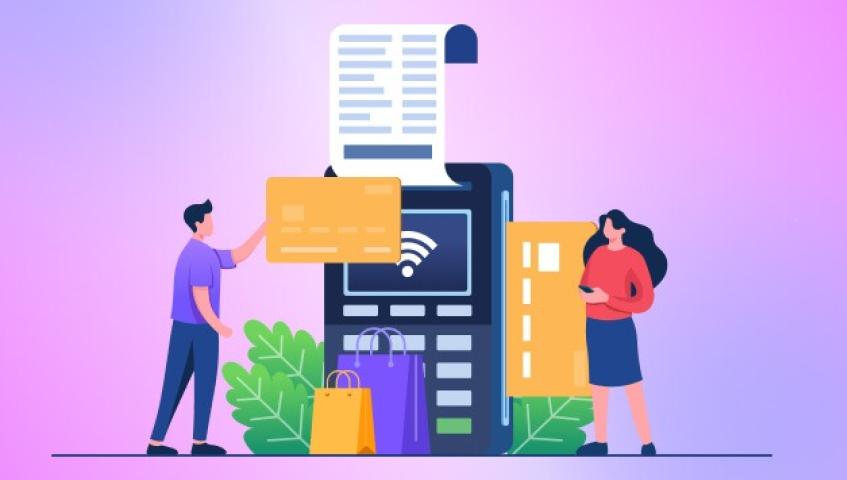
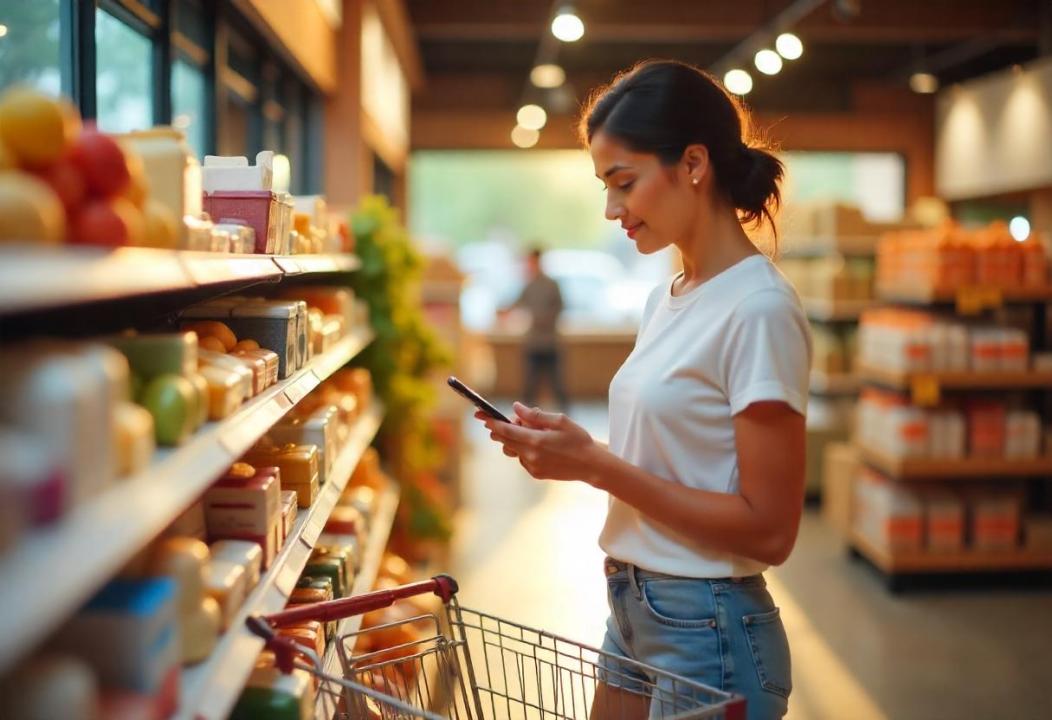
Mobile self-checkout technology changes that. It removes the barriers, skips the lines, and hands control back to the customer. No terminals. No waiting. Just scan, pay, and go.
In this blog, we’ll explore why in-store cart abandonment is growing—and how mobile self-checkout helps you eliminate friction and keep revenue flowing.
Why customers abandon carts in retail stores
Customers leave carts behind for many reasons. These can be grouped into psychological, logistical, and experiential drivers—and most of them surface at or around the checkout stage.
Psychological factors
Logistical challenges
Experiential factors
Poor Store Experience
Distractions or Time Constraints
How mobile self-checkout removes checkout friction and prevents cart abandonment
These moments of hesitation, delay, or frustration don’t have to lead to lost sales. The mobile self-checkout solution removes the key friction points—and brings customers smoothly to the finish line.
Instant shopping control and autonomy
Eliminates line aversion
Lines feel like inefficiency in action. Most customers would rather skip the item than wait for it. With mobile self-checkout, the queue disappears. Shoppers stay in flow, and conversion rates climb because there’s no peak moment where friction forces a stop.
Reduced decision fatigue
Clarity on price and promo uncertainty
One of the biggest friction points? Surprise costs.
With mobile self-checkout, pricing is transparent from the start. As items are scanned, discounts apply instantly. No guessing, no sticker shock—just clarity and confidence.
Ideal for ‘quick trips’ where time is the only currency
When someone pops in for just a few items, the last thing they want is to get stuck behind a full cart.
Mobile checkout is built for express->
Discreet, low-interaction checkout for certain shoppers
Some customers want minimal interaction—whether it’s social anxiety, neurodivergence, or just a stressful day.
Mobile self-checkout provides a private, judgment-free path to complete the journey on their terms.
Minimum mid-journey interruptions
Traditional checkout interrupts the shopping rhythm: pick, pause, wait, pay.
Mobile self-checkout keeps the experience continuous—no artificial stop between decision and action. That flow makes a massive difference in purchase completion.
Reinforces purchase confidence with digital receipts and history
Knowing exactly what you bought, when, and for how much helps customers feel good post-purchase.
Mobile checkout apps often store receipts and order history, which builds trust and supports future visits.
Seamless loyalty integration, offers, and personalization
Fumbling for a loyalty card or promo code is another friction point.
Mobile self-checkout apps integrate it all—points applied, discounts activated, and offers visible. The reward is automatic, and the purchase feels smarter.
Conclusion: Make checkout the easiest part of shopping
When your customers reach the checkout stage, the hardest part is already done.
They’ve browsed, compared, and decided. The only thing left is to pay.
So why let that be the point they walk away?
Now you know how mobile self-checkout systems give your shoppers autonomy, speed, and transparency, which clears the last hurdle between intent and purchase.
When your checkout process becomes this seamless, it doesn’t just reduce friction in the shopping journey; it becomes a reason for your customers to return.
Retailers like you who want to reclaim sales and deliver better in-store experiences should start by making their checkout frictionless. And a mobile self-checkout solution is the smartest step to begin with.