
The landscape of education in the United States is dynamic, constantly evolving to meet the needs of a diverse student population and navigate the complexities of funding, outreach, and impact measurement. For educational nonprofits, these challenges are often amplified. They operate with lean budgets, rely heavily on grants and donations, and are driven by the critical mission of fostering learning and opportunity. In this environment, efficiency, data-driven decision-making, and robust stakeholder engagement are not just desirable – they are essential for survival and growth. This is why, in 2025, a significant number of educational nonprofits across the USA are increasingly turning to Salesforce Nonprofit Cloud as a cornerstone of their operational strategy.
Salesforce Nonprofit Cloud is more than just a Customer Relationship Management (CRM) system; it's a comprehensive platform specifically designed to address the unique needs of nonprofit organizations. Its adoption by educational nonprofits in 2025 reflects a growing recognition of its power to streamline operations, enhance fundraising efforts, improve program management, and ultimately amplify their impact on the communities they serve. Several key factors are driving this transformative tide.
1. Holistic Constituent Relationship Management:
Educational nonprofits interact with a wide array of stakeholders: students, parents, alumni, donors, volunteers, partner organizations, and grant-making bodies. Managing these diverse relationships effectively is crucial for fostering long-term engagement and support. Salesforce Nonprofit Cloud provides a unified platform to track all interactions, communications, and data points related to each constituent.
Imagine a nonprofit providing after-school tutoring programs. With Nonprofit Cloud, they can maintain detailed records of each student's enrollment history, academic progress, attendance, and engagement in different activities. Simultaneously, they can track parent communications, volunteer schedules, donor contributions, and grant reporting requirements – all within a single, accessible system. This holistic view enables a deeper understanding of each stakeholder, facilitating personalized communication and tailored engagement strategies. For instance, targeted fundraising appeals can be sent to donors who have previously supported similar programs, or personalized progress reports can be shared with parents to keep them informed and involved.
2. Enhanced Fundraising and Development Capabilities:
The financial sustainability of educational nonprofits hinges on successful fundraising and development efforts. Salesforce Nonprofit Cloud offers a suite of tools designed to optimize these critical functions. It allows organizations to manage donation campaigns, track pledges and payments, automate acknowledgments, and cultivate donor relationships.
In 2025, the ability to leverage data for fundraising is paramount. Nonprofit Cloud enables organizations to segment their donor base based on giving history, interests, and engagement levels, allowing for more targeted and effective fundraising appeals. Features like gift processing automation reduce administrative overhead, freeing up development staff to focus on building meaningful relationships with donors. Furthermore, the platform facilitates grant management by tracking application deadlines, reporting requirements, and award details, ensuring compliance and maximizing funding opportunities. Consider a nonprofit focused on providing scholarships to underprivileged students. They can use Nonprofit Cloud to track individual donor contributions to specific scholarship funds, generate personalized thank-you notes, and provide detailed reports on the impact of their donations to their supporters.
3. Streamlined Program Management and Impact Measurement:
Educational nonprofits are driven by their mission to create positive change in the lives of learners. Demonstrating the effectiveness of their programs and measuring their impact is increasingly important for securing funding, engaging stakeholders, and refining their strategies. Salesforce Nonprofit Cloud offers robust tools for managing programs, tracking participant outcomes, and analyzing data to measure impact.
For a nonprofit running a mentorship program for at-risk youth, Nonprofit Cloud can track mentor-mentee pairings, session schedules, progress against program goals, and participant feedback. This data can then be analyzed to identify successful program components, areas for improvement, and the overall impact of the mentorship on the lives of the young people involved. The platform's reporting and analytics capabilities enable organizations to generate compelling reports for funders and stakeholders, showcasing their achievements and demonstrating their accountability. This data-driven approach strengthens their credibility and enhances their ability to attract future support.
4. Improved Collaboration and Communication:
Educational nonprofits often involve numerous staff members, volunteers, and partner organizations working towards shared goals. Effective collaboration and communication are essential for ensuring smooth operations and maximizing collective impact. Salesforce Nonprofit Cloud facilitates seamless information sharing and collaboration across different teams and stakeholders.
The platform allows for the creation of shared calendars, task assignments, and communication logs, ensuring that everyone is on the same page. For instance, a nonprofit organizing a large-scale educational event can use Nonprofit Cloud to coordinate the efforts of staff responsible for registration, logistics, volunteer management, and marketing. Real-time access to relevant information and collaborative tools streamlines workflows, reduces the risk of miscommunication, and enhances overall efficiency.
5. Scalability and Customization:
The needs of educational nonprofits can vary significantly based on their size, mission, and the communities they serve. Salesforce Nonprofit Cloud offers a scalable and customizable platform that can adapt to the evolving needs of organizations as they grow and their programs evolve.
The platform's modular design allows nonprofits to implement the features they need now and add more functionality as their requirements change. Its robust customization capabilities enable organizations to tailor the system to their specific workflows, data fields, and reporting needs. This flexibility ensures that the technology serves the organization, rather than the organization having to adapt to the limitations of the technology. For a small startup nonprofit focused on early childhood literacy, they might initially utilize the contact management and basic fundraising features. As they expand their programs and reach more children, they can easily integrate program management and impact measurement modules.
6. Integration with Other Essential Tools:
In 2025, nonprofits rely on a variety of digital tools for communication, marketing, finance, and other essential functions. Salesforce Nonprofit Cloud offers seamless integration with a wide range of third-party applications, creating a cohesive and efficient technology ecosystem.
This integration capability eliminates data silos and streamlines workflows. For example, a nonprofit might integrate Nonprofit Cloud with their email marketing platform to send targeted communications to different segments of their audience. Integration with accounting software ensures accurate financial tracking and reporting. This interconnectedness saves time, reduces manual data entry, and provides a comprehensive view of the organization's operations.
7. Focus on Data Security and Compliance:
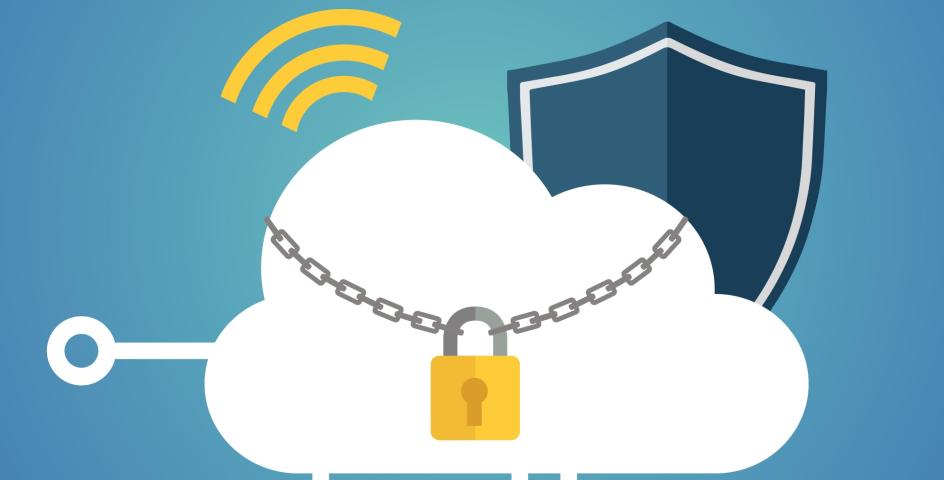
Educational nonprofits handle sensitive data related to students, donors, and other stakeholders. Ensuring the security and privacy of this information is paramount. Salesforce Nonprofit Cloud provides a robust and secure platform that adheres to stringent data protection standards and compliance regulations. This gives nonprofits the peace of mind that their data is safe and that they are meeting their legal and ethical obligations.
Conclusion:
In 2025, the adoption of Salesforce Nonprofit Cloud by educational nonprofits in the USA is not merely a technological upgrade; it represents a strategic shift towards greater efficiency, impact, and sustainability. By providing a unified platform for constituent relationship management, fundraising, program management, collaboration, and data analysis, Nonprofit Cloud empowers these organizations to operate more effectively, engage their stakeholders more meaningfully, and ultimately advance their vital missions in the service of education. As the demands on educational nonprofits continue to grow, the transformative power of Salesforce Nonprofit Cloud will undoubtedly play an increasingly crucial role in shaping their success and the future of education in the United States. The ability to leverage data-driven insights, cultivate strong relationships, and streamline operations will be the hallmarks of thriving educational nonprofits in the years to come, making Salesforce Nonprofit Cloud an indispensable tool in their arsenal.