In today’s digital landscape, network security is a top priority for organizations. One critical aspect of maintaining a secure network is implementing robust Network Access Control (NAC). NAC policies and practices help to ensure that only authorized users, devices, and applications can access an organization's network resources. In this blog post, we’ll explore the best practices for Network Access Control in the context of CCNP Security and how they contribute to overall network security.
CCNP Security training provides network professionals with the knowledge and skills necessary to implement robust network access control solutions effectively. The training covers a range of topics, including configuring firewalls, VPNs, and advanced threat protection mechanisms. By gaining a deep understanding of NAC principles and Cisco security technologies, professionals can help their organizations build secure, compliant, and high-performing networks.
What is Network Access Control?
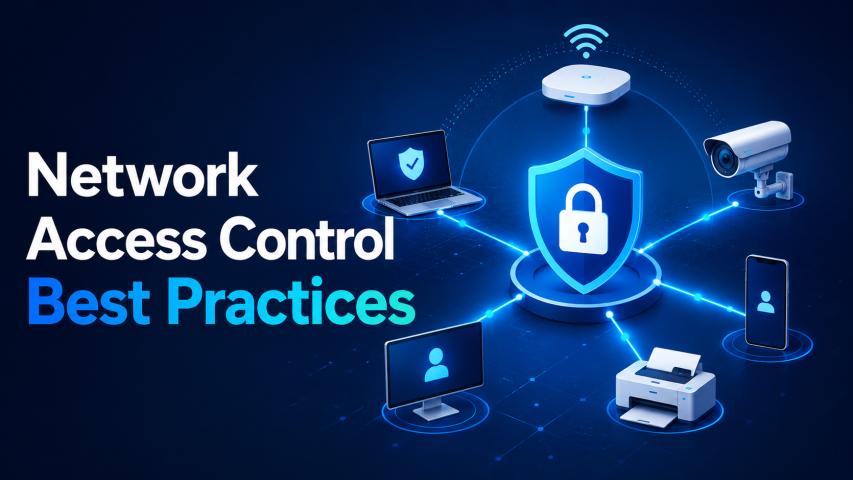
Network Access Control (NAC) is a set of policies and practices designed to manage and restrict access to network resources based on specific security criteria. It ensures that only devices that meet certain compliance requirements, such as having up-to-date antivirus software or an encrypted connection, are allowed to connect to the network. NAC solutions typically use a combination of devices, authentication protocols, and access control mechanisms to enforce these policies.
Why is NAC Important in Network Security?
NAC is crucial for protecting an organization’s network from unauthorized access, data breaches, and other security threats. With the increase in remote work, bring-your-own-device (BYOD) policies, and cloud-based solutions, controlling who and what can access a network has become more complex. NAC helps organizations:
Improve security by ensuring only compliant devices and users can connect to the network.
Reduce risk by preventing unauthorized devices from accessing sensitive data and resources.
Simplify compliance with industry standards and regulatory requirements such as HIPAA, GDPR, and PCI-DSS.
Best Practices for Network Access Control in CCNP Security
1. Define Clear Access Policies
A successful NAC implementation starts with well-defined access policies. These policies should outline who, what, and how devices are allowed to connect to the network. The policies should include:
User Roles: Define different user roles and the network resources they can access.
Device Compliance: Set standards for devices such as requiring up-to-date antivirus software or encrypted communications.
Location-Based Access: Restrict network access based on the user’s location or the type of device they are using.
Defining clear access policies is essential to enforcing NAC effectively and ensuring that all users and devices meet security requirements before accessing the network.
2. Implement Multi-Factor Authentication (MFA)
Multi-factor authentication (MFA) adds an extra layer of security by requiring users to provide two or more verification factors to gain access to network resources. Implementing MFA in NAC policies helps protect against unauthorized access even if a user’s password is compromised. Typical MFA factors include:
Something you know (password or PIN)
Something you have (smartphone or hardware token)
Something you are (biometric data such as fingerprints or retina scans)
MFA can be configured to require different types of factors for different user roles or access levels, providing a tailored approach to security.
3. Use Role-Based Access Control (RBAC)
Role-Based Access Control (RBAC) is a best practice in NAC that assigns network access rights based on the user’s role within the organization. With RBAC, administrators can easily manage permissions by grouping users according to their responsibilities and ensuring they only have access to the resources they need.
For example, a finance department employee may need access to accounting systems but not to the IT department’s servers. By using RBAC, organizations can prevent users from gaining unnecessary access to sensitive resources and reduce the attack surface.
4. Continuous Monitoring and Real-Time Enforcement
Implementing NAC should not be a one-time event but a continuous process. Continuous monitoring ensures that devices connected to the network are continuously evaluated for compliance. Real-time enforcement allows administrators to take immediate action if a device fails to meet security standards, such as quarantining the device or restricting access until compliance is achieved.
With continuous monitoring, organizations can respond quickly to any threats or non-compliance issues, minimizing the potential for a security breach.
5. Integrate with Other Security Solutions
NAC should not operate in isolation; it should be integrated with other security systems such as firewalls, intrusion detection/prevention systems (IDS/IPS), and security information and event management (SIEM) tools. Integration allows organizations to create a cohesive security architecture where each system complements the others.
For instance, if a firewall detects a potential threat, it can trigger a NAC policy to limit access to the network from the affected device. This level of coordination ensures that security measures are more effective and that responses to threats are swift and coordinated.
6. Regularly Update and Test Access Control Policies
As networks evolve and new security threats emerge, it’s essential to regularly update NAC policies and systems to stay ahead of attackers. Network access control policies should be reviewed and updated periodically to account for new devices, software, and user roles within the organization.
Additionally, testing NAC systems through simulated attacks and vulnerability assessments helps identify potential weaknesses and ensures that access controls are functioning as intended.
CCNP Security training provides network professionals with the knowledge and skills necessary to implement robust network access control solutions effectively. The training covers a range of topics, including configuring firewalls, VPNs, and advanced threat protection mechanisms. By gaining a deep understanding of NAC principles and Cisco security technologies, professionals can help their organizations build secure, compliant, and high-performing networks.
Conclusion
Network Access Control (NAC) is a critical component of any organization’s network security strategy. By defining clear access policies, implementing MFA, using RBAC, and integrating with other security systems, businesses can significantly improve their network’s security posture. Continuous monitoring and regular updates to NAC policies will ensure ongoing protection against evolving threats.
As businesses grow and the complexity of managing network security increases, CCNP Security training equips professionals with the skills needed to implement and maintain robust NAC systems. By adhering to best practices in NAC, organizations can safeguard their