
Introduction:
In today’s rapidly evolving digital landscape, cybersecurity is no longer just the responsibility of a dedicated security team. It is an integral part of every phase of the software development lifecycle. This paradigm shift has paved the way for DevSecOps, a practice that integrates security directly into DevOps processes. As organizations increasingly adopt this model, the demand for professionals skilled in DevSecOps is soaring.
For those looking to enter this high-growth field, pursuing the right training is essential. Whether you're a developer, security analyst, or IT professional, a DevSecOps Tutorial for Beginners can serve as a strong starting point. This blog explores the top-rated DevSecOps training programs that can elevate your cybersecurity career, with a special focus on DevSecOps training online.
What is DevSecOps?
Understanding the Basics
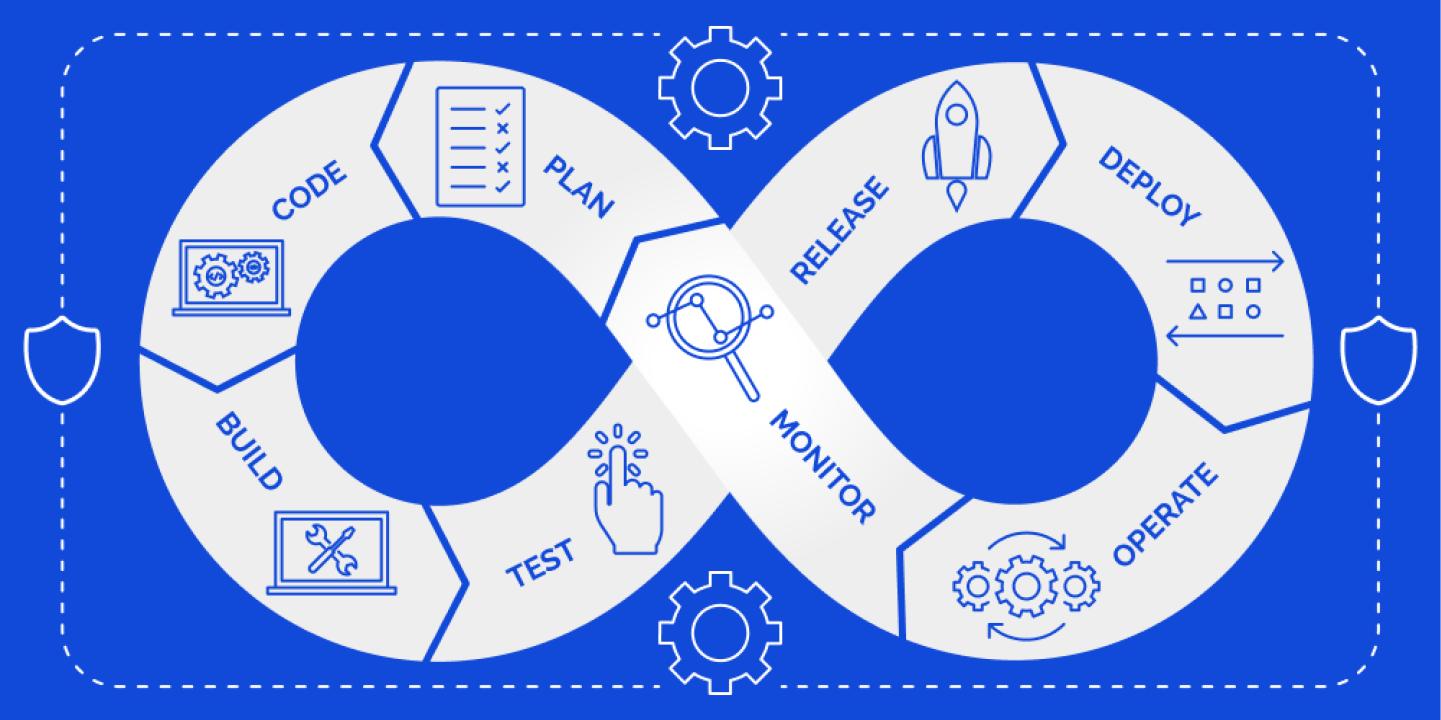
DevSecOps stands for Development, Security, and Operations. It is a philosophy and practice that aims to integrate security at every stage of the software development process. Unlike traditional methods where security checks occur at the end, DevSecOps ensures proactive threat detection and resolution from the start.
Key Objectives of DevSecOps
Early Detection of Vulnerabilities
Continuous Security Testing
Automated Compliance Validation
Collaborative Culture Among Teams
Faster and More Secure Software Releases
Real-World Example
Consider a financial services company developing an online banking app. Using DevSecOps practices, the security team integrates static code analysis tools within the CI/CD pipeline. This way, any vulnerability introduced in the code is flagged before it even moves to production. This reduces risk, cost, and time.
Why Learn DevSecOps?

Industry Demand
According to Gartner, by 2026, 70% of enterprises will integrate security into their DevOps practices, up from just 35% in 2022. As a result, professionals with DevSecOps skills are among the most sought-after in cybersecurity.
Career Benefits
High Salary Potential
Wide Range of Job Roles (e.g., DevSecOps Engineer, Security Analyst, Automation Architect)
Opportunity to Work on Cutting-Edge Projects
Remote Work Flexibility
Ideal for a Variety of Professionals
Developers wanting to understand security protocols
Security experts aiming to integrate with DevOps teams
System administrators and DevOps engineers
Features of a Top-Rated DevSecOps Training Program
1. Comprehensive Curriculum
The best DevSecOps training programs provide end-to-end learning, covering:
Introduction to DevSecOps
Threat modeling
Secure coding practices
Container security (Docker, Kubernetes)
Infrastructure as Code (IaC) security
CI/CD pipeline security
Monitoring and logging
2. Hands-On Learning
Theoretical knowledge alone isn’t sufficient. Look for programs that include:
Lab exercises
Simulated environments
Real-world case studies
Assignments and assessments
3. Step-by-Step Guidance
A proper DevSecOps tutorial for beginners should walk learners through:
Setting up secure development environments
Creating secure Docker images
Integrating SAST and DAST tools in CI/CD
Writing policies using OPA (Open Policy Agent)
4. Certification Readiness
Programs that prepare you for industry-recognized certifications help validate your skills and increase your job prospects.
5. Flexible Learning Options
The availability of DevSecOps training online allows learners to study at their own pace. Online programs often offer downloadable resources, recorded lectures, and community support.
Modules Covered in DevSecOps Training
Module 1: Introduction to DevSecOps
Core principles
History and evolution
Importance in modern development
Module 2: Security in the Software Development Lifecycle (SDLC)
Shift-left approach
Risk assessments and impact analysis
Module 3: Threat Modeling and Secure Architecture
STRIDE methodology
Threat modeling tools
Module 4: CI/CD Pipeline Security
Jenkins, GitLab CI
Security scans (SAST, DAST, SCA)
Module 5: Container and Orchestration Security
Docker image hardening
Kubernetes role-based access control (RBAC)
Module 6: Infrastructure as Code (IaC) Security
Terraform and CloudFormation
Static analysis using Checkov, TFSec
Module 7: Policy-as-Code and Governance
Introduction to OPA
Creating and enforcing policies
Module 8: Monitoring, Logging, and Incident Response
ELK Stack, Prometheus, Grafana
Alerting and incident workflows
Tools Commonly Used in DevSecOps
CI/CD Tools
Jenkins
GitLab CI/CD
CircleCI
Security Scanning Tools
SonarQube (Static Analysis)
OWASP ZAP (Dynamic Analysis)
Snyk (Open Source Vulnerability Scanning)
Container Security
Aqua Security
Sysdig
Docker Bench
IaC Security
Checkov
TFSec
KICS
Monitoring & Logging
ELK Stack
Grafana
Splunk
Policy Management
OPA (Open Policy Agent)
Kyverno
Career Paths After DevSecOps Training
1. DevSecOps Engineer
Responsibilities include securing CI/CD pipelines, integrating scanning tools, and developing secure IaC templates.
2. Security Automation Architect
Focuses on automating security across development workflows and ensuring continuous compliance.
3. Cloud Security Engineer
Specializes in securing cloud-native applications and managing cloud IAM, encryption, and networking policies.
4. Application Security Specialist
Works closely with developers to identify and fix security vulnerabilities during the coding phase.
5. Compliance and Risk Analyst
Ensures systems meet regulatory requirements like HIPAA, GDPR, and ISO 27001.
Step-by-Step Guide: Beginner DevSecOps Project
Step 1: Set Up Development Environment
Install Docker and Visual Studio Code
Create a GitHub repository for your project
Step 2: Write Sample Application
Use Node.js or Python Flask
Include basic login functionality
Step 3: Create Docker Image
Write a Dockerfile
Run and test the image locally
Step 4: Configure CI/CD Pipeline
Use GitHub Actions to trigger builds on push
Step 5: Integrate Security Scanning
Add Snyk or TFSec scanning into the pipeline
Step 6: Set Up Monitoring and Alerts
Use Prometheus and Grafana to track logs
Step 7: Document and Share
Write a README file
Publish the project to GitHub
Tips to Succeed in DevSecOps Training
1. Practice Regularly
Hands-on practice reinforces theoretical concepts and enhances problem-solving skills.
2. Engage with Community
Join online forums, follow GitHub projects, and attend DevSecOps webinars.
3. Stay Updated
Cybersecurity is dynamic. Subscribe to blogs, podcasts, and industry newsletters.
4. Build a Portfolio
Work on small projects and publish them on GitHub to showcase your skills.
Conclusion
With cyber threats growing more complex, the need for professionals skilled in integrating security within DevOps processes has never been more urgent. DevSecOps Training Online offers the flexibility and depth required to build this critical expertise. Whether you're just starting or looking to upskill, beginning with a DevSecOps tutorial for beginners can provide the strong foundation needed to excel in this field.
Explore the world of DevSecOps today and take your cybersecurity career to the next level.
Start learning, start securing!