
When relocating abroad for work, family reunification, or any other reason, one critical step is the attestation of your documents, especially your marriage certificate. The process of attesting a marriage certificate ensures that your document is legally recognized in your destination country, allowing it to be used for official purposes such as obtaining visas or residency.
In this article, we’ll guide you through the marriage certificate attestation process, its importance, the necessary documents, and how to avoid common mistakes.
What is Marriage Certificate Attestation?
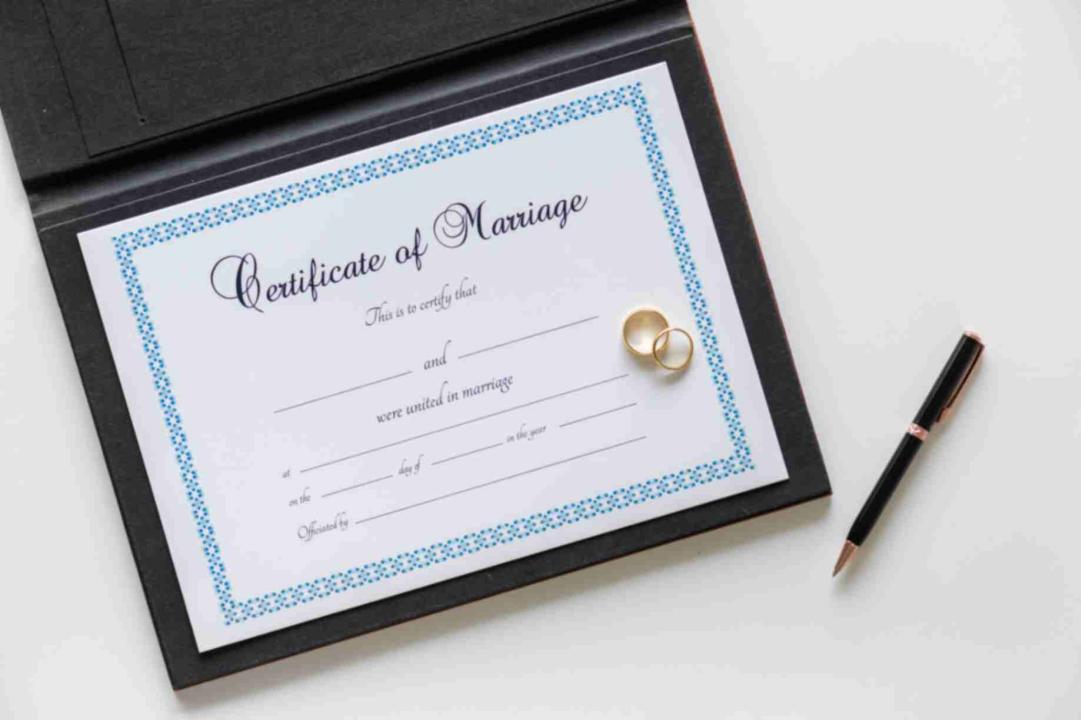
Marriage certificate attestation is the official verification of a marriage certificate by relevant authorities to ensure that it is authentic and valid for legal purposes abroad. This process is a form of legalization or authentication that makes your document acceptable in the destination country for various purposes, such as immigration, obtaining a spouse visa, or legal recognition of marriage.
When you are required to prove your marital status for immigration or other legal matters in another country (like the UAE, Saudi Arabia, Qatar, etc.), the attested marriage certificate is essential.
Why Do You Need to Attest a Marriage Certificate?
There are several key reasons why attesting a marriage certificate is necessary:
1. For Spouse or Dependent Visas
If you are sponsoring your spouse to join you in a foreign country, you’ll typically need to submit your marriage certificate as part of the visa application. For this to be accepted by the foreign government, the certificate must be attested by the relevant authorities.
2. Immigration and Residency
Attestation is often required when you apply for immigration or residency permits. Countries like the UAE, Qatar, and Saudi Arabia require a valid, attested marriage certificate as proof of marital status when applying for family reunification visas.
3. Legal Recognition in Foreign Countries
Without attestation, your marriage certificate might not be recognized by the foreign legal systems. Attesting your marriage certificate ensures that it is valid in countries that require such legalization, including for business, legal, and educational purposes.
Where is Marriage Certificate Attestation Required?
While marriage certificate attestation is important for various countries, it is particularly essential for those in the Gulf Cooperation Council (GCC) region. Some of the countries where marriage certificate attestation is required include:
-
United Arab Emirates (UAE): For spouse visas, family residency permits, and legal matters.
-
Qatar: For family immigration purposes.
-
Saudi Arabia: For family reunification visas and other legal purposes.
-
Kuwait: To prove marital status for visa and residency applications.
-
Oman: For family visa applications.
-
Other countries: Countries like Bahrain, and even non-GCC nations, may require marriage certificate attestation for similar reasons.
Who Needs to Attest Their Marriage Certificate?
The attestation of a marriage certificate is required for anyone seeking to prove their marital status abroad for various purposes. This typically includes:
-
Expats planning to move abroad: If you're planning to move to a country like the UAE or Qatar, you may need to prove your marital status to obtain a family visa.
-
Individuals sponsoring spouses: If you want to bring your spouse along, attesting the marriage certificate is a crucial step.
-
Applicants for family residency permits: Many countries require attested marriage certificates when applying for a dependent visa or family residency.
Documents Required for Marriage Certificate Attestation
The documents you need for marriage certificate attestation may vary slightly depending on the country where the certificate was issued and the destination country. However, the typical documents include:
-
Original Marriage Certificate: This is the primary document that needs to be attested.
-
Passport Copies of Both Partners: These are required to verify the identities of both individuals involved in the marriage.
-
Photographs: Some countries may require passport-sized photos along with the attestation application.
-
Translation (if necessary): In some countries, especially those in the Middle East, documents must be translated into Arabic by a certified translator.
Step-by-Step Marriage Certificate Attestation Process
The marriage certificate attestation process involves several stages of verification. Each stage ensures the authenticity of the document and its acceptance in the foreign country.
Step 1: Notarization
Before the marriage certificate can be attested, it needs to be notarized by a notary public. This step is crucial, as it verifies the document’s authenticity in the first place. A notary public typically checks the legitimacy of the marriage certificate before certifying it with their official seal.
Step 2: State or Home Department Authentication (if applicable)
In some countries, your marriage certificate may need to be authenticated by a state or home department before it can proceed to higher-level attestation. This is common in countries like India, but the requirement can vary depending on where the certificate was issued.
Step 3: Ministry of External Affairs (MEA) or FCDO Legalization
After notarization and state authentication (if required), the marriage certificate is then submitted to the relevant Ministry of External Affairs (MEA) or the Foreign, Commonwealth & Development Office (FCDO) in the UK. The MEA/FCDO verifies the document’s authenticity and applies an apostille or legalization stamp.
Step 4: UAE Embassy Attestation
Once the certificate is legalized by the MEA or FCDO, it is sent to the UAE Embassy (or another relevant embassy based on the destination country) for final attestation. The embassy verifies that the document has been correctly legalized and places their official seal or stamp on the document.
Step 5: Ministry of Foreign Affairs (MOFA) Attestation
In some cases, the Ministry of Foreign Affairs (MOFA) in the destination country may also need to verify the marriage certificate after it has been attested by the embassy. This is typically required for countries like the UAE.
Timeframe for Attestation
The time it takes to complete the marriage certificate attestation process can vary. Typically, the process takes around 7-10 business days for standard processing, but it can take longer during peak periods. Fast-track services are available through some agencies like Stanford Global for urgent cases, which may expedite the process to as little as 2-3 business days.
Common Mistakes to Avoid
While the process is relatively straightforward, there are common mistakes that applicants often make:
-
Skipping the notarization step: Some applicants forget that notarization is the first step in the process. Without notarization, the document will not be recognized.
-
Submitting laminated documents: Laminated documents are not acceptable for attestation as they cannot be properly stamped.
-
Incorrect translations: If the marriage certificate needs to be translated, it’s important to use a certified translator. Unauthorized translations may lead to rejection.
-
Incomplete documentation: Make sure you submit all the required documents. Missing information can lead to delays.
How Stanford Global Can Help
At Stanford Global Attestation Services, we offer a comprehensive and efficient process for marriage certificate attestation. Our team handles all the steps on your behalf, ensuring the documents are verified, attested, and ready for use abroad. Whether you’re applying for a visa, residency, or legal matters, we ensure that your marriage certificate is attested properly and quickly.
Conclusion
Attesting your marriage certificate is an essential process when moving abroad or seeking to prove your marital status in foreign countries. Understanding the process, documents required, and potential costs will help you navigate the attestation process smoothly. By using professional services like Stanford Global, you can save time and avoid potential mistakes, ensuring your marriage certificate is properly attested and ready for use in your destination country.