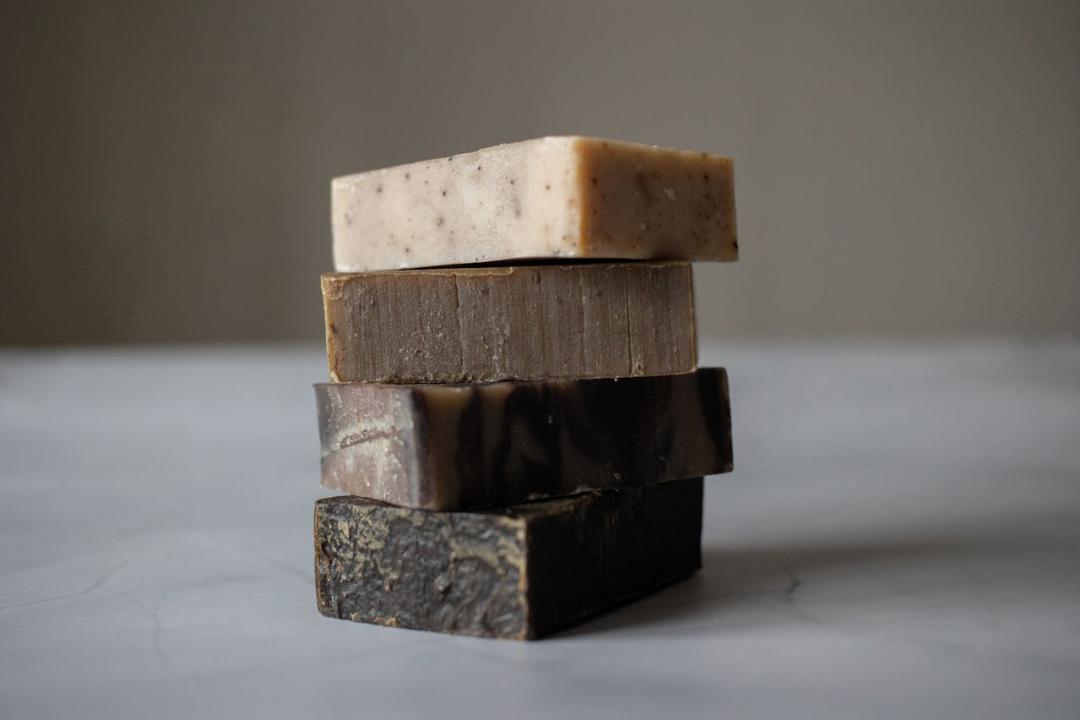

In a world increasingly aware of environmental issues, the
craft of soap making is undergoing a vibrant transformation. More than just a
hobby, it’s a powerful way for DIY enthusiasts and eco-conscious consumers to
contribute to sustainability. Choosing the right soap bases is crucial. By
opting for eco-friendly soap options, makers can reduce their carbon footprint
while creating beautiful, nourishing products for themselves and their loved
ones.
Eco-friendly soap bases are not just a trend; they represent a commitment to health and the planet. These bases are crafted from natural ingredients, free from harmful chemicals and additives that can harm both our skin and the environment. By understanding the benefits of sustainable soap making, you empower yourself to create products that align with your values. Ready to dive deeper into the world of eco-friendly soap? Join us as we explore sustainable bases that not only enhance your craft but also support a greener future.
Understanding Sustainable Soap Bases
Sustainable soap bases are crafted from ingredients that
prioritize environmental health, ethical sourcing, and personal well-being.
These bases are often derived from renewable resources, such as plant oils and
natural fats, ensuring a minimal impact on the planet. Unlike conventional soap
bases, which may include synthetic additives and harsh chemicals, sustainable
options focus on purity and sustainability. For instance, a glycerin soap base
made from sustainably harvested palm oil not only provides a moisturizing
effect but also supports responsible farming practices. This commitment to
eco-friendliness extends beyond the ingredients themselves to include the
manufacturing processes, which aim to reduce waste and energy consumption.
When comparing conventional soap ingredients to their
sustainable counterparts, the differences become strikingly clear. Conventional
soap bases might utilize petrochemical derivatives and artificial fragrances
that can irritate the skin and contribute to environmental pollution. In
contrast, sustainable soap bases often feature natural essential oils for
fragrance and botanical extracts for color and nourishment. This shift not only
promotes better skin health but also aligns with the growing consumer demand
for transparency in product formulation. For example, a traditional soap may
contain sulfates and parabens that can disrupt hormonal balance, while a
natural soap recipe using organic coconut oil and shea butter offers a gentle
alternative free from such concerns.
The benefits of using sustainable soap bases extend beyond
personal health; they also play a significant role in fostering ecological
stewardship. By choosing these bases, soap makers can actively contribute to
reducing carbon footprints and promoting biodiversity. For instance, opting for
a cold process soap base made from olive oil supports Mediterranean farmers who
practice sustainable agriculture. This conscious decision not only enhances the
quality of the soap but also cultivates a sense of community and responsibility
among artisans and consumers alike. Ultimately, embracing sustainable soap
bases is a step toward creating products that reflect a commitment to both
individual wellness and the health of our planet.
Key Ingredients in Eco-Friendly Soap Making
When it comes to crafting eco-friendly soap, the choice of
ingredients plays a crucial role in ensuring sustainability. Plant-based oils
are at the forefront of this endeavor, offering numerous benefits that align
with both environmental and health-conscious values. Oils such as olive,
coconut, and jojoba not only provide nourishing properties for the skin but
also have a lower environmental impact compared to their synthetic
counterparts. Sourcing these oils responsibly is essential; look for suppliers
who prioritize ethical harvesting practices and sustainable farming methods.
This ensures that your soap-making process contributes positively to the
ecosystem rather than depleting it.
In addition to plant-based oils, the use of organic
materials in soap making cannot be overstated. Organic certification guarantees
that the ingredients used are free from harmful pesticides and synthetic
fertilizers, promoting a healthier product for both consumers and the
environment. When selecting organic ingredients, pay attention to the
certification standards—USDA Organic, for instance, sets rigorous guidelines
that ensure the integrity of the materials. By choosing certified organic
botanicals like lavender or chamomile, you not only enhance the quality of your
soap but also support sustainable agricultural practices that nurture
biodiversity.
Moreover, opting for high-quality organic materials can
significantly elevate your final product. For example, using organic essential
oils not only adds delightful scents but also infuses your soaps with natural
therapeutic benefits. This commitment to quality can resonate with consumers
seeking natural alternatives, allowing your eco-friendly soaps to stand out in
a crowded market. Remember, every ingredient counts—by prioritizing plant-based
oils and organic materials, you're not just making soap; you're contributing to
a larger movement towards sustainability and health.
Ultimately, embracing these key ingredients is about more
than just crafting beautiful bars of soap. It's an opportunity to foster a
connection with nature and promote responsible practices within the beauty
industry. As you explore various plant-based oils and organic materials for
your soap-making journey, consider the stories behind these ingredients and how
they can enrich both your creations and the world around you.
The Benefits of Using Sustainable Soap Bases
Choosing sustainable soap bases offers a multitude of benefits that extend beyond just personal satisfaction; it plays a crucial role in reducing environmental impact and promoting healthier life>
In addition to their environmental advantages, sustainable
soap bases are a boon for health-conscious consumers. Many commercial soaps
contain harmful chemicals, synthetic fragrances, and preservatives that can
irritate the skin or disrupt hormonal balance. By opting for eco-friendly soap
bases made from organic materials, you can avoid these potentially harmful
additives. For example, natural essential oils like lavender or tea tree oil
not only provide delightful fragrances but also offer antibacterial properties
without the side effects associated with synthetic alternatives. This shift
towards natural ingredients supports not only your health but also encourages a
broader movement against chemical-laden products in everyday life.
Moreover, sustainable soap making fosters a deeper
connection to the ingredients used in your creations. By selecting
high-quality, organic materials, you engage in a practice that aligns with
ethical sourcing and environmental stewardship. This conscientious approach can
lead to a more fulfilling DIY experience, knowing that each bar of soap you
craft is contributing positively to both your well-being and the planet's
health. The ripple effect of choosing sustainable soap bases extends beyond
individual use; it empowers communities and encourages an industry-wide shift
towards more responsible practices.
Ultimately, the benefits of using sustainable soap bases are multi-faceted, encompassing environmental responsibility and health consciousness. By prioritizing eco-friendly choices in your soap-making endeavors, you're not only creating beautiful, artisanal products but also championing a greener future for all. As you explore various options and discover new recipes, remember that each sustainable choice contributes to a larger movement toward a healthier planet and life>
Popular Sustainable Soap Base Options
When it comes to eco-friendly soap making, two of the most
popular sustainable soap base options are glycerin soap and cold process soap.
Glycerin soap, often known for its clear, translucent appearance, is made from
glycerin, a natural byproduct of the soap-making process. This base is
incredibly moisturizing and draws moisture from the air, making it an excellent
choice for dry skin. It can be easily customized with essential oils, natural
colorants, and botanical extracts, allowing crafters to create unique blends
that appeal to consumers interested in green living. Additionally, glycerin
soap is typically free from synthetic additives, which aligns with the values
of many eco-conscious consumers.
On the other hand, cold process soap stands out for its use
of natural oils, such as olive, coconut, and palm oil. This method involves a
chemical reaction called saponification, where oils are combined with an alkali
(usually sodium hydroxide) to create soap. One of the main advantages of cold
process soap is its ability to retain the natural properties of the oils used,
resulting in a rich lather and nourishing qualities. Soap makers can experiment
with various oil combinations to achieve different textures and benefits for
the skin. The cold process method also allows for the inclusion of organic
materials like clays or herbal infusions, further enhancing the product’s
appeal to those who prioritize sustainability.
Both glycerin and cold process soaps offer a delightful
canvas for creativity while prioritizing sustainability. By choosing these
bases, soap makers not only reduce their environmental impact but also provide
a healthier alternative for consumers looking to avoid harsh chemicals and
synthetic ingredients. As the demand for eco-friendly products continues to
rise, understanding these popular sustainable soap bases can empower DIY
enthusiasts and natural product makers to craft high-quality soaps that resonate
with a growing audience committed to green living.
How to Choose the Right Soap Base for Your Project
Selecting the right soap base for your homemade soap is a
crucial step in the soap-making process. Not only does it impact the final
product's texture and lather, but it also affects its suitability for different
skin types and personal values. When choosing a soap base, consider your skin
type: if you have sensitive skin, look for bases that include soothing
ingredients like oatmeal or shea butter. For oily or acne-prone skin, a base
containing tea tree oil or activated charcoal can provide additional benefits.
Understanding the unique needs of your skin will help you create a product that
is both effective and enjoyable to use.
Intended use also plays a significant role in selecting the
right soap base. For instance, if you're creating a soap for daily use,
consider opting for a glycerin soap base, which is known for its moisturizing
properties. On the other hand, if you’re making a specialty soap, like one
designed for exfoliation, look for bases that incorporate natural exfoliants
such as ground coffee or sea salt. By clearly defining the purpose of your
soap, you'll be better equipped to choose a base that complements your desired
outcome.
Sourcing high-quality sustainable soap bases is equally
important. Look for suppliers who prioritize eco-friendly practices and
transparency in their sourcing methods. Check for certifications that indicate
organic or fair-trade ingredients, as these can greatly enhance the quality and
sustainability of your soap. Additionally, consider purchasing from local
artisans or co-ops that focus on sustainable practices, as this not only
supports your community but often results in fresher ingredients. Reading reviews
and testimonials can also guide you toward reputable suppliers who provide
consistent quality in their products.
Ultimately, the process of choosing the right soap base
should align with your personal values and commitment to sustainability. By
taking the time to evaluate factors such as skin type, intended use, and
sourcing practices, you can create homemade soap that not only meets your needs
but also contributes positively to the environment. Embrace this creative
journey, and let your values shine through in every batch you make!
DIY Eco-Friendly Soap Recipes
Creating your own eco-friendly soap can be both a rewarding
and enjoyable experience, especially when you choose sustainable bases that
align with your values. For beginners, a simple recipe using a melt-and-pour
glycerin soap base is an excellent starting point. To make a basic lavender
soap, you will need glycerin soap, dried lavender flowers, and a few drops of
lavender essential oil. Simply melt the soap base in a microwave or double
boiler, mix in the lavender and essential oil, pour it into molds, and let it
set. This straightforward process not only allows you to craft personalized
gifts but also helps reduce your environmental impact by avoiding commercial
soaps that often contain synthetic additives.
For those with more experience looking to elevate their
soap-making skills, consider venturing into cold process soap. This method
involves saponifying oils and lye to create a natural soap that retains the
beneficial properties of its ingredients. A popular advanced recipe is for a
citrus olive oil soap, which combines olive oil, coconut oil, and shea butter
with essential oils like lemon and sweet orange. The cold process method allows
for greater customization in terms of colors and scents while ensuring that
you’re working with high-quality organic materials. Moreover, as you master
this technique, you can explore incorporating natural colorants, such as
spirulina or turmeric, further minimizing your ecological footprint.
Regardless of your skill level, the key to creating
effective eco-friendly soap lies in understanding the benefits of your
ingredients. When making your soaps, remember to source organic materials
whenever possible. Look for certifications that ensure the ingredients are
sustainably sourced and free from harmful chemicals. As you experiment with
different recipes, you'll not only refine your craft but also contribute
positively to the environment by opting for natural alternatives that promote
health and wellness.
Finally, don’t forget to document your soap-making journey!
Sharing your creations on social media or within crafting communities can
inspire others to embrace sustainability in their own practices. Whether you're
a novice or a seasoned soap maker, every bar you produce has the potential to
spark conversations about eco-friendly choices and encourage more people to
join the movement toward sustainable living.
Tips for Packaging and Selling Your Eco-Friendly Soap
When it comes to packaging your eco-friendly soap products, the goal is to choose options that align with a zero waste life>
Another creative option is to utilize fabric wraps made from
organic cotton or hemp. These wraps can be tied with jute twine and adorned
with a simple tag that highlights the ingredients and the sustainable practices
behind your soap bases. This approach not only minimizes waste but also adds a
rustic charm that resonates with eco-conscious consumers. Consider including a
small card with care instructions and information about your commitment to
sustainability, which can help strengthen the connection between your brand and
your customers.
When it comes to marketing your sustainable soap products, storytelling plays a crucial role. Share your journey and the motivations behind choosing eco-friendly soap bases. Use social media platforms to showcase your process, from sourcing raw materials to the finished product, allowing potential customers to see the care and thought that goes into each bar of soap. Highlight the benefits of your products, such as the absence of harmful chemicals and the positive environmental impact, making sure to connect these features back to the values of a zero waste life>
Lastly, consider collaborating with local businesses or
participating in community markets where you can engage directly with
customers. Providing samples allows potential buyers to experience the quality
of your soaps firsthand while also fostering conversations about
sustainability. Remember, effective marketing is not just about selling a
product—it's about building a community around shared values and encouraging
others to embrace eco-friendly practices in their daily lives.
The Future of Sustainable Soap Making
As the demand for eco-friendly products continues to rise,
the landscape of artisan soap making is evolving to embrace more sustainable
ingredients and practices. One notable trend is the increased use of upcycled
materials, which repurpose food by-products like coffee grounds, fruit peels,
or even spent grains from breweries into vibrant, skin-nourishing soaps. This
not only reduces waste but also adds unique textures and scents to handcrafted
bars, appealing to consumers looking for innovative and sustainable options.
Additionally, as more soap makers shift towards sourcing locally produced
ingredients, there's a growing emphasis on creating small-batch soaps that
support local economies while minimizing transportation emissions.
Another significant trend in sustainable soap making is the
focus on transparency and ethical sourcing. Consumers are becoming increasingly
aware of where their products come from and the environmental impact of their
choices. This has led to a rise in brands that clearly communicate their
ingredient sourcing practices, including certifications like Fair Trade and
organic standards. Artisan soap makers are responding by adopting these
certifications to build trust with their customers and ensure that their products
reflect a commitment to sustainability. As consumers actively seek out brands
that prioritize ethical considerations, this trend is likely to shape the
future direction of the industry.
The role of consumers in promoting sustainability cannot be
overstated. As more individuals prioritize eco-conscious choices in their
everyday lives, they are influencing manufacturers and retailers to adopt
greener practices. Social media platforms have become powerful tools for
spreading awareness about sustainable products, allowing consumers to share
their experiences and champion brands that align with their values. By
advocating for sustainable artisan soap making through their purchasing
decisions and online presence, consumers are not only supporting eco-friendly
businesses but also encouraging larger companies to reconsider their practices
and invest in more sustainable solutions.
Ultimately, the future of sustainable soap making is bright
as it intertwines creativity with environmental consciousness. As artisans
continue to innovate with eco-friendly ingredients and practices, the movement
towards sustainability will gain momentum. With consumers at the forefront of
this change, the industry can expect to see a shift towards greater
responsibility and a shared commitment to preserving our planet for future
generations.
Embrace Sustainability in Your Soap Making Journey
In conclusion, choosing sustainable soap bases is vital for
both our planet and our health. By opting for eco-friendly ingredients, you can
create beautiful soaps while minimizing your environmental impact. Sustainable
soap bases not only reduce waste but also promote the use of natural, non-toxic
materials that are safer for you and your loved ones.
We encourage you to dive into the world of eco-friendly soap making. Experiment with different sustainable bases and discover the joy of crafting your own unique creations. Whether you're a beginner or an experienced maker, there’s always something new to learn and explore in this fulfilling hobby. Let your creativity flow and make a positive impact on the environment, one bar of soap at a time!