
In recent years, the beauty
industry has witnessed a seismic shift towards sustainability. Eco-conscious
consumers are now more informed than ever about the impact of their choices on
the planet. As a result, sustainable beauty has emerged as a vital movement,
encouraging brands and individuals alike to seek out products that are not only
effective but also kind to the Earth. This growing importance of eco-friendly
practices is reshaping how we think about beauty routines, pushing us to
explore natural alternatives that prioritize our health and the environment.
Among these alternatives,
cosmetic clays stand out as a remarkable option. These ancient ingredients have
been used for centuries in various cultures for their healing and beautifying
properties. Today, they are being rediscovered by beauty enthusiasts and
natural skincare advocates who appreciate their versatility and efficacy. From
detoxifying masks to nourishing scrubs, cosmetic clays offer a wealth of
benefits while promoting a sustainable approach to self-care. Ready to dive
into the world of eco-friendly beauty? Join us as we explore the incredible
power of cosmetic clays and how they can transform your skincare routine while
helping the planet.
What Are Cosmetic Clays?
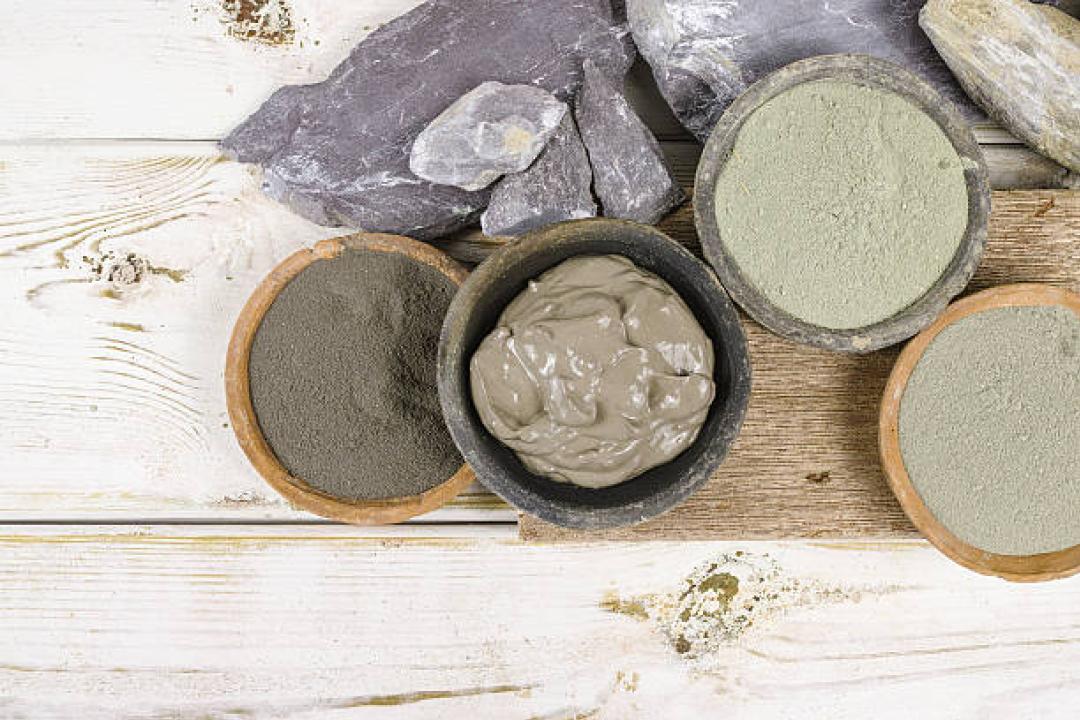
Cosmetic clays are naturally
occurring minerals that have been used for centuries in beauty and skincare
routines across various cultures. Defined primarily by their unique composition
of silica, aluminum, iron, and other trace minerals, these clays come in
several types, each with its own distinct properties and benefits. Some of the
most popular varieties include bentonite, kaolin, rhassoul, and French green
clay. Each type serves specific purposes—bentonite is renowned for its
detoxifying properties, while kaolin is gentle enough for sensitive skin types.
These eco-friendly beauty products offer a sustainable alternative to synthetic
ingredients that often dominate the beauty industry.
Historically, clays have been
revered for their therapeutic qualities. Ancient Egyptians used clay masks for
both skincare and as part of their mummification processes, believing it held
purifying powers. In traditional Chinese medicine, clays were utilized not only
for beauty but also for medicinal purposes, such as treating digestive issues.
The use of clay in beauty rituals transcends time and geography; Native
American tribes incorporated clay into their healing practices, while in Japan,
geishas used powdered clay to maintain flawless skin. This rich history
underscores the enduring significance of cosmetic clays as a natural resource
revered for their versatility and effectiveness.
In today's world of sustainable
beauty, the revival of interest in cosmetic clays reflects a broader shift
toward eco-consciousness. As consumers become more aware of the environmental
impact of their choices, these natural ingredients are gaining popularity for
their ability to provide effective results without the harmful side effects
associated with many synthetic formulations. By incorporating clay into your
skincare routine, you not only embrace an ancient tradition but also support a
movement towards cleaner, greener beauty practices that benefit both your skin
and the planet. With their storied past and promising future, cosmetic clays
are redefining what it means to invest in eco-friendly beauty products.
Sourcing and Sustainability
Cosmetic clays are not only
celebrated for their beauty benefits but also for their eco-friendly sourcing
methods. These clays are derived from the earth, typically extracted through
sustainable mining practices that minimize environmental disruption. For
instance, kaolin clay, one of the most popular types used in skincare, is often
harvested from deposits that have been formed over thousands of years, ensuring
that the process is both responsible and respectful to the natural ecosystem.
This careful extraction helps to maintain the integrity of the land while
providing high-quality ingredients for natural skincare products.
In contrast to synthetic
ingredients, which can involve complex chemical processes and significant
resource consumption, cosmetic clays present a much lower environmental
footprint. Synthetic compounds often require petroleum-based derivatives and
other non-renewable resources, contributing to pollution and waste. On the
other hand, the natural composition of clays means they are biodegradable and
free from harmful chemicals. Brands that focus on clay-based formulations often
prioritize eco-conscious practices throughout their supply chain, from sourcing
to production, thereby fostering a more sustainable beauty industry.
Furthermore, many cosmetic clay
producers are committed to ethical sourcing and community engagement. They
often work with local miners and artisans who practice traditional methods of
extraction, ensuring that these communities benefit economically while
preserving their cultural heritage. This collaborative approach not only
supports livelihoods but also encourages the responsible stewardship of natural
resources. As consumers become more aware of these practices, choosing
clay-based products becomes a powerful statement in favor of sustainability and
ethical consumption in the beauty realm.
Ultimately, by opting for
products that harness the power of responsibly sourced cosmetic clays,
consumers can make a positive impact on the environment. The transition from
synthetic to natural skincare solutions fosters a deeper connection to the
earth while promoting healthier choices for our skin. As the demand for
sustainable beauty options continues to rise, it’s essential for eco-conscious
individuals to recognize the importance of ingredient sourcing in shaping a
more sustainable future.
Benefits of Cosmetic Clays for Skin
Cosmetic clays have long been
celebrated for their remarkable natural cleansing and detoxifying properties,
making them a staple in the realm of sustainable beauty. Rich in minerals,
these clays effectively draw out impurities, toxins, and excess oils from the
skin without stripping away its essential moisture. For instance, bentonite
clay swells when mixed with water, creating a powerful absorbent that can
eliminate dirt and grime from deep within the pores. This gentle yet effective
cleansing action not only leaves the skin feeling refreshed but also paves the
way for a clearer complexion.
Beyond their cleansing abilities,
cosmetic clays are nutrient powerhouses that nourish the skin with vital
minerals like magnesium, calcium, and silica. These nutrients work
synergistically to promote healthy skin function, enhancing elasticity and
providing a youthful glow. For example, kaolin clay is known for its soothing
properties and is often used in formulations aimed at sensitive or irritated
skin. By incorporating these nutrient-rich clays into your beauty routine, you
can help to support your skin's overall health while embracing sustainability
in cosmetics.
Moreover, the versatility of
cosmetic clays allows them to cater to various skin types and concerns. Whether
you have oily, dry, or combination skin, there’s a clay that can be tailored to
your needs. Rhassoul clay, for instance, is particularly beneficial for those
dealing with dryness, as it not only cleanses but also hydrates the skin. By
understanding the unique benefits of each type of clay, eco-conscious consumers
can create personalized skincare solutions that align with their sustainable
beauty values.
In addition to their practical
benefits, using cosmetic clays is an empowering choice for those interested in
sustainable beauty practices. By opting for products that harness the power of
nature’s bounty rather than synthetic ingredients, consumers can contribute to
a healthier planet while enjoying effective skincare. The transition to
clay-based products represents a commitment to both personal wellness and
environmental stewardship, reinforcing the notion that beauty and
sustainability can go hand in hand.
Eco-Friendly Production Processes
The production of cosmetic clays
is not only beneficial for the skin but also for the planet. Many brands
committed to sustainability are adopting low-energy manufacturing methods that
minimize their carbon footprint. For instance, the processing of clays often
requires less energy compared to synthetic alternatives, which can involve
complex chemical reactions and extensive resource use. By utilizing simple
techniques such as air-drying and gentle milling, manufacturers can preserve
the natural properties of the clay while reducing energy consumption. This
approach aligns perfectly with the principles of a green beauty routine, where
the focus is on harnessing nature’s resources responsibly.
In addition to energy-efficient
production, eco-friendly packaging plays a crucial role in promoting
sustainability within the cosmetic clay industry. Many companies are now opting
for biodegradable or recyclable materials, which help to reduce waste in landfills.
For example, some brands have transitioned to using glass jars or compostable
pouches instead of traditional plastic containers. This shift not only protects
the integrity of the product but also appeals to eco-conscious consumers who
prioritize sustainable choices. Furthermore, many brands encourage customers to
recycle their packaging or return it for reuse, fostering a circular economy
that benefits both the environment and consumers.
Moreover, innovation in packaging
design has led to new solutions that minimize excess waste. Some brands have
introduced refillable systems that allow customers to replenish their clay
products without purchasing entirely new containers. This not only cuts down on
single-use plastics but also creates a deeper connection between consumers and
the brands they support. By integrating these eco-friendly production
processes, the cosmetic clay industry is setting an example of how beauty can
be both effective and environmentally responsible, encouraging individuals to
embrace a sustainable approach in their personal care routines.
Versatility in Beauty Routines
Cosmetic clays are not just a
one-trick pony; they offer a multitude of applications across skincare,
haircare, and body care, making them a vital component of any sustainable
beauty routine. In skincare, for instance, clays like bentonite and kaolin work
wonders as facial masks, drawing out impurities and toxins from the skin while
providing essential minerals. These natural ingredients serve as effective
synthetic ingredients alternatives, offering a gentle yet potent way to cleanse
and rejuvenate the complexion. For those with oily or acne-prone skin, a clay
mask can absorb excess oil and reduce the appearance of blemishes without the
harsh chemicals often found in commercial products.
In addition to their benefits for
the face, cosmetic clays can be integrated into haircare routines as well.
Rhassoul clay, known for its high mineral content, can be used as a shampoo
substitute. It cleanses the scalp and hair without stripping away natural oils,
promoting healthier and shinier locks. This eco-friendly approach not only
reduces waste from plastic shampoo bottles but also encourages users to embrace
a more holistic view of hair wellness through natural remedies. Clays can also
be used in body scrubs and bath soaks, offering detoxifying properties that
leave the skin feeling refreshed and revitalized.
For those who enjoy a hands-on
approach, DIY recipes using cosmetic clays allow for personalized beauty
solutions tailored to individual needs. A simple recipe for a rejuvenating face
mask could include mixing green clay with honey and a few drops of tea tree
oil, creating a nourishing blend that combats acne while hydrating the skin.
Similarly, combining pink clay with yogurt and oatmeal can create a soothing
body scrub that exfoliates and hydrates simultaneously. These customizable
options not only enhance the user experience but also align perfectly with the
principles of sustainable beauty, minimizing reliance on mass-produced products
filled with synthetic ingredients.
Ultimately, the versatility of
cosmetic clays makes them an invaluable resource in any eco-conscious beauty
regimen. From enhancing skincare routines to providing innovative solutions for
hair and body care, these natural ingredients empower consumers to take control
of their beauty choices while promoting a healthier planet. Embracing clays is
not merely a trend; it's a commitment to sustainable beauty that can lead to
profound personal and environmental benefits.
Choosing the Right Clay for Your Skin Type
Selecting the right cosmetic clay
can be a game changer in your skincare routine, especially when you consider
your unique skin type and concerns. Each type of clay has its own properties,
making it essential to match the clay with your specific needs. For example, if
you have oily or acne-prone skin, bentonite clay is an excellent option due to
its natural ability to absorb excess oil and draw out impurities. On the other
hand, if your skin is dry or sensitive, kaolin clay offers a gentler approach,
providing hydration without stripping the skin of its natural oils. By
understanding these differences, you can tailor your beauty routine to harness
the full potential of environmentally friendly clays.
Combining clays with other
natural ingredients can enhance their benefits and address multiple skin
concerns simultaneously. For instance, mixing green clay with honey creates a
powerful mask that not only detoxifies the skin but also hydrates and soothes
it, making it perfect for those battling blemishes while wanting to maintain
moisture. Similarly, blending pink clay with aloe vera gel can yield a soothing
treatment ideal for sensitive skin types. These combinations not only amplify
the effectiveness of the clays but also promote an eco-conscious approach to
beauty by using sustainable ingredients.
When experimenting with different
clays and natural additives, it's important to patch test any new combination
on a small area of skin to ensure compatibility. This will help you gauge how
your skin reacts before applying it more broadly. Additionally, don’t hesitate
to adjust ratios based on your skin's response; some might find a little more
honey makes for a creamier consistency, while others might prefer a thicker
mask. Embracing this personalized approach allows you to discover what works
best for your unique skin, contributing to a sustainable beauty regimen that
aligns with your values.
With so many options available,
choosing the right clay is not just about addressing current skin issues but
also about fostering long-term skin health. As you explore these
environmentally friendly clays and their versatile applications, remember that
your skin care journey is not only beneficial for you but also contributes to a
more sustainable planet. The more we learn and share about these natural
resources, the better equipped we become to make choices that reflect our
commitment to both beauty and environmental stewardship.
The Future of Sustainable Beauty
As the beauty industry evolves,
there is a significant shift towards sustainable practices that prioritize both
consumer health and environmental responsibility. Eco-conscious consumers are
increasingly seeking products that not only enhance their appearance but also
align with their values of sustainability. This trend has led to a rise in
brands that emphasize natural ingredients, ethical sourcing, and minimal
environmental impact. For instance, companies like Lush and Tata Harper have
built their reputations on creating eco-friendly products that boast the
benefits of clay masks while ensuring their sourcing methods do not harm the
planet. These brands exemplify how a commitment to sustainability can resonate
with consumers who are ready to invest in their health and the health of the
Earth.
Moreover, the role of consumers
in driving demand for sustainable beauty cannot be understated. As millennials
and Gen Z continue to dominate the market, their preferences for transparency
and ethical practices compel brands to adopt greener initiatives. Social media
has amplified this movement, allowing consumers to share their experiences and
advocate for eco-friendly products. Hashtags like #SustainableBeauty and
#EcoFriendlySkincare are trending, showcasing real-life testimonials from users
who have embraced cosmetic clays in their routines. This grassroots approach
not only raises awareness but also holds brands accountable, pushing them to
innovate and prioritize sustainability.
In response to this demand, we
are witnessing exciting developments such as biodegradable packaging and
refillable product systems. Brands are adopting innovative techniques to reduce
waste, making it easier for consumers to feel good about their purchases. The
focus on sustainable beauty is not just a passing trend; it represents a
fundamental shift in how the industry operates. By harnessing the natural
benefits of clay masks and other earth-derived ingredients, brands are proving
that beauty can be both effective and environmentally friendly.
Ultimately, the future of
sustainable beauty is bright, driven by the collective efforts of consumers and
brands committed to a healthier planet. As more individuals recognize the
importance of making informed choices about their beauty products, the demand
for eco-friendly solutions will continue to grow. By embracing cosmetic clays
and supporting brands that prioritize sustainability, consumers can contribute
to a beauty landscape that celebrates nature while enhancing personal wellness.
Real-Life Success Stories
As consumers become increasingly
aware of the environmental impact of their beauty choices, many have turned to
clay-based products and experienced remarkable transformations. For instance,
Sarah, a 28-year-old eco-conscious beauty enthusiast, shared her journey after
switching to a brand that sources its clays ethically. Struggling with
sensitive skin for years, she found that using a chamomile-infused clay mask
not only soothed her irritation but also improved her complexion. Sarah now
advocates for sustainable beauty practices in her social media channels,
inspiring her followers to embrace natural ingredients that benefit both their
skin and the planet.
Brands are also stepping up to
make a difference in the world of sustainable beauty. A standout example is
"EarthGlow," a skincare line that emphasizes the ethical sourcing of
clays from regions where local communities are empowered through fair trade
practices. Their commitment to sustainability extends beyond just ingredients;
they utilize minimalistic packaging made from recycled materials, ensuring that
their environmental footprint remains low. Customers have praised the brand not
only for its effective products but also for its transparency regarding
sourcing and manufacturing processes. This commitment resonates with
millennials who prioritize ethical consumption and are willing to invest in
brands that align with their values.
Another inspiring case comes from
"Pure Earth," which has developed a line of haircare products
utilizing kaolin clay to cleanse and nourish the scalp without harsh chemicals.
Users report a significant reduction in product buildup and an increase in
scalp health. The company’s dedication to sustainable practices has garnered a
loyal following, as customers appreciate their efforts to minimize waste and
promote eco-friendly production methods. By sharing these success stories, we
see how individuals and brands alike are making strides toward a more
sustainable future through the power of cosmetic clays, proving that beautiful
skin can indeed come from the earth without compromising our planet's health.
Embrace Sustainable Beauty with Cosmetic Clays
In conclusion, cosmetic clays
offer a powerful and eco-friendly alternative in the realm of sustainable
beauty. Their natural cleansing properties, nutrient-rich composition, and
low-impact sourcing make them an excellent choice for those looking to enhance
their skincare routines while caring for the planet. By opting for clay-based
products, you not only nourish your skin but also support environmentally
conscious practices that benefit everyone.
We encourage you to explore the
world of cosmetic clays and incorporate them into your beauty regimen. Every
small step towards sustainable beauty choices contributes to a healthier
planet. So why not make the switch today? Your skin and the Earth will thank
you for it!