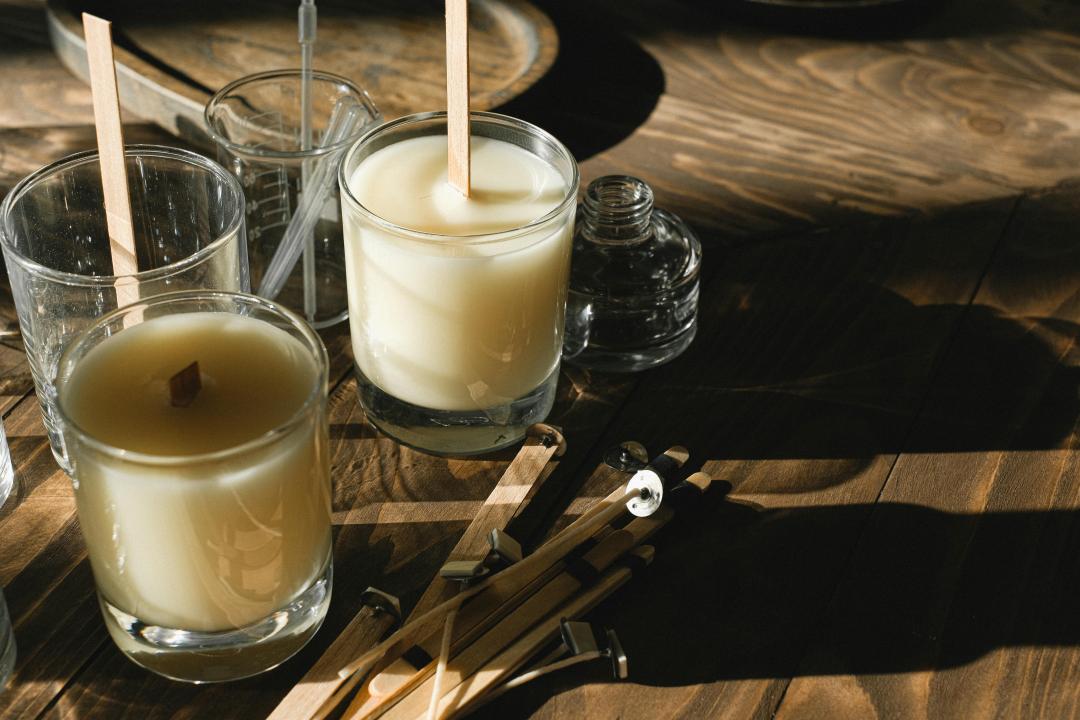

When it comes to candle making,
the wick is often an unsung hero. It's easy to overlook this small yet crucial
component, but the right wick can make or break your candle’s performance. It
affects everything from burn time to scent throw, influencing how your candle
looks and feels in your space. Selecting the perfect wick is a science and an
art, and that's where DIY wick experimentation comes into play.
Embarking on a journey of wick
experimentation opens up a world of possibilities. It allows you to tailor your
candles to your preferences, ensuring a beautiful and functional flame. Whether
you're a seasoned candlemaker or just starting out, exploring different
materials, sizes, and treatments can lead to exciting discoveries. So grab your
tools and get ready to ignite your creativity—your ideal candle awaits! Keep
reading to unlock the secrets of wick selection and transform your DIY projects
into stunning works of art.
Understanding Wick Materials
When embarking on your DIY wick
experimentation journey, one of the most crucial elements to consider is the
type of wick material you choose. The most common options include cotton, wood,
and hemp, each bringing its own unique characteristics to the candle-making
process. Cotton wicks are widely favored for their versatility and reliability,
often providing a steady burn and excellent fragrance throw. They come in
various sizes and can be braided or twisted, making them suitable for a wide
range of candle types. On the other hand, wood wicks have gained popularity for
their aesthetic appeal and distinctive crackling sound when burned, reminiscent
of a cozy fireplace. Lastly, hemp wicks are an eco-friendly alternative that
offers a slower burn rate, ideal for longer-lasting candles.
Different wick materials
significantly impact not only the burn rate but also the overall fragrance
experience of your candle. For instance, while cotton wicks are known for their
ability to carry scent effectively, wood wicks tend to produce a more subdued
fragrance throw due to their larger surface area and slower combustion. This
can be advantageous if you're aiming for a subtle ambiance rather than an
overpowering scent. Hemp wicks, though slower-burning, may require additional
experimentation with wick size and wax type to achieve optimal fragrance
diffusion. Each material's unique properties invite you to explore various
combinations in your DIY wick experimentation, leading to exciting discoveries
about how they interact with different waxes and fragrance oils.
While considering the pros and
cons of each wick material, it's essential to remember that no single type is
universally superior; rather, it depends on your specific goals as a candle
maker. Cotton wicks provide consistent performance but may require regular
trimming to prevent soot buildup. Wood wicks can create stunning visual effects
but may need careful attention to wick placement and length to avoid excessive
flickering. Hemp wicks offer an environmentally friendly option but might not
deliver the same fragrance intensity as cotton or wood. By understanding these
nuances in wick materials, you can tailor your experiments to achieve the
perfect balance between aesthetics, performance, and scent throw in your
candles.
In summary, selecting the right
wick material is a foundational step in your DIY wick experimentation. By
delving into the characteristics of cotton, wood, and hemp wicks, you'll gain
insights into how each influences burn rate and fragrance release. So gather
your supplies and prepare to ignite your creativity—your next candle
masterpiece awaits!
Wick Sizes and Their Impact
When it comes to crafting the
perfect candle, understanding wick sizes is crucial for achieving optimal
performance. The size of the wick you choose directly influences how your
candle burns, its flame height, and even how well it throws fragrance. Wick sizes
are generally categorized by their diameter, which can vary significantly
depending on the type of wax used and the overall dimensions of the candle. A
wick that's too small may struggle to sustain a proper flame, leading to a weak
burn and insufficient scent throw, while an oversized wick can create an
uncontrolled flame that results in soot or rapid wax consumption.
To select the right wick size for
your candle, consider both the diameter of your candle and the type of wax
you’re using. For example, a wider candle made with paraffin wax typically
requires a larger wick size to accommodate the increased melt pool necessary
for an even burn. Conversely, if you're working with soy wax, which has a
different melting point, you may find that a slightly smaller wick size works
better. As a rule of thumb, start with recommendations from wick manufacturers
and adjust based on your personal experimentation and observations.
Experimenting with different wick
sizes can lead to remarkable improvements in your candle-making endeavors. By
varying the wick size in your test candles, you can fine-tune the flame height
and burn time to match your preferences. For instance, if you notice that your
candle burns too quickly and produces a large flame, switching to a smaller
wick might help extend the burn time and create a more controlled flame.
Alternatively, if your candle isn’t pooling adequately or emitting enough
fragrance, increasing the wick size could enhance both the melt pool and scent
throw, making your candle truly shine.
In addition to these practical
considerations, experimenting with wick sizes can also spark creativity in your
candle designs. Consider combining multiple wicks of varying sizes within a
single candle for a unique visual effect and varied burn characteristics. This
not only makes for an interesting project but can also lead to innovative
scents and atmospheres in your home. So grab some different wick sizes and let
your creativity flow as you explore the impact they have on your beloved DIY
candles!
Treatments and Coatings for Wicks
When diving into the world of DIY
wick experimentation, one important factor that often gets overlooked is the
treatment and coating of the wicks themselves. Various treatments can
significantly influence how a candle burns, its overall quality, and even the
intensity of the fragrance released into the air. For instance, wax-coated
wicks provide a smoother burn and can help prevent excessive soot production,
while pre-waxed wicks are convenient for beginners and ensure a consistent
combustion experience right from the start. Additionally, wicks treated with
oils or other additives may enhance scent throw and improve overall
performance, making them a worthy subject for experimentation.
The effects of these treatments
on combustion and scent release can be profound. A wax-coated wick may burn
more evenly, allowing for a steady flame that enhances the candle's fragrance
profile. In contrast, untreated cotton wicks might struggle with uneven
burning, leading to tunneling or flickering. If you're interested in maximizing
your candle's scent throw, experimenting with wicks treated with essential oils
could yield fascinating results. These specialized wicks can help disperse
fragrance more effectively, turning your simple candle into an aromatic
experience that fills your space.
For those eager to explore DIY
wick treatments, there are several tips to keep in mind. Start by testing small
batches with different treatments to observe their effects firsthand. You might
try soaking your wicks in a mixture of melted wax and fragrance oil to create a
custom wick that complements your chosen scents. Keep detailed notes on the
burn quality of each wick variation—documenting factors like burn time, flame
height, and scent intensity will provide valuable insights into what works best
for your unique projects. Remember, the key to successful wick experimentation
lies in patience and creativity; don’t hesitate to mix and match various
coatings until you find the perfect combination for your candles.
With a little exploration and
creativity, you'll soon discover how different treatments can elevate your
candle-making game, leading to beautiful creations that not only look stunning
but also perform exceptionally well. Happy experimenting!
The Science Behind Wick Design
When it comes to candle making,
the design of the wick plays a pivotal role in determining how a candle behaves
during its burn. A wick serves not only as the flame's source but also
influences how effectively wax is drawn up to sustain the flame. The structure
of a wick—its thickness, braid type, and even the materials used—can
significantly affect the combustion process, which in turn impacts everything
from burn time to fragrance release. Understanding these elements can help you
achieve that perfect candle flame you've been striving for.
One of the key distinctions in
wick design is between braided and twisted wicks. Braided wicks, typically made
from multiple strands of fiber woven together, tend to have a larger surface
area that can absorb more wax. This design allows for a more robust flame and
can lead to a better fragrance throw, as they can draw up wax more efficiently.
In contrast, twisted wicks are usually made from a single strand that is
twisted into shape. While they can produce a stable flame, they may not be as
effective at drawing up wax compared to their braided counterparts. This
difference in design can result in varying burn characteristics and scent
release profiles, making it essential to experiment with both types to find
what works best for your specific candles.
Moreover, the importance of wick
structure cannot be understated when it comes to achieving consistent flames. A
well-structured wick will ensure an even melt pool and minimize issues such as
flickering or excessive soot production. For instance, if you choose a wick
that is too thin for your candle's diameter, it may struggle to maintain a
steady burn, leading to tunneling—a common issue where the wax burns down the
center, leaving unused wax around the edges. On the other hand, an overly thick
wick can produce an aggressive flame that consumes wax too quickly, resulting
in shorter burn times and poor fragrance release. By exploring various wick
designs and understanding their unique characteristics, you can fine-tune your
candle-making process for optimal results.
Ultimately, the science behind
wick design offers a world of possibilities for DIY enthusiasts looking to
elevate their candle-making skills. Each choice—from braid type to wick
thickness—affects not just the flame's appearance but also how your carefully
chosen fragrances are released into the air. So, don’t hesitate to dive into
experimentation! With each candle you create, you’ll gain valuable insights
that will help you craft the perfect candle flame tailored to your tastes.
Conducting Your Wick Experiments
Embarking on your DIY wick
experimentation journey is an exciting opportunity to refine your candle
crafting skills and discover what works best for your unique creations. Start
by setting up a dedicated workspace where you can safely test different wick
configurations without distractions. Gather all necessary materials, including
various wick types, wax, fragrance oils, and tools for measuring and cutting.
Having everything organized will make the process smoother and more enjoyable.
When it comes to variables,
consider testing different wick lengths, diameters, and materials. For example,
you might experiment with a cotton wick versus a wooden wick in the same candle
size to see how each influences the burn rate and fragrance throw. You could
also try varying the wick length; a longer wick may produce a taller flame,
while a shorter one might create a more subdued glow. Keeping track of these
changes will allow you to identify patterns and make informed decisions for
future candle projects.
As you conduct your experiments,
it's essential to maintain a detailed log of your findings. Document not only
the specifics of your wick choices but also your observations regarding burn
quality, scent throw, and any other notable characteristics. This log will
serve as an invaluable resource for analyzing your results over time. Perhaps
you’ll find that a certain wick combination produces a consistent, steady flame
while another leads to flickering or tunneling. With this information at hand,
you can refine your approach and create candles that not only look great but
perform beautifully.
Lastly, don’t hesitate to embrace creativity in your experiments! Consider combining different wick materials or lengths in one candle to see how they interact. This trial-and-error process is not just about achieving perfection; it’s about exploring the possibilities of candle crafting. So grab your supplies and get ready to illuminate your space with candles that reflect your personal >
Troubleshooting Common Wick Issues
As you embark on your journey of
DIY wick experimentation, encountering issues like tunneling and flickering is
not uncommon. Tunneling occurs when the wick burns down the center of the
candle, leaving a significant amount of wax around the edges. This can happen
due to using a wick that’s too small for the candle diameter or insufficient
initial burn time. Flickering, on the other hand, may be caused by drafts or an
improper wick size that leads to an unstable flame. Both problems can be
frustrating, but they also present valuable learning opportunities in your
candle-making process.
To address tunneling, start by
experimenting with larger wick sizes or materials that can produce a higher
melt pool. Additionally, ensure that you are allowing your candles to burn long
enough during each use; a general rule is to let them burn for at least one
hour for every inch of diameter. If flickering is a persistent issue, try
relocating your candle to a more sheltered area to avoid drafts, and consider
switching to a braided wick, which often provides a steadier flame. These
adjustments are vital as they directly influence the performance of your candle
and enhance your overall DIY projects.
Testing and refining your wick
choices is essential for achieving the perfect flame. Keeping a log of your
experiments can help you track what works best for each type of candle you
create. For instance, you might discover that a particular type of hemp wick
yields better results in terms of scent throw for soy wax, while a cotton wick
might perform better with paraffin wax. Documenting these nuances not only
helps in troubleshooting but also deepens your understanding of how various
factors contribute to the overall candle experience.
Remember, every setback is an
opportunity for growth in your candle-making journey. Embrace the challenges
that come with DIY projects as part of the creative process. By troubleshooting
common wick issues and making informed adjustments, you'll find yourself
crafting beautifully burning candles that light up your space and fill it with
delightful fragrances. As you experiment, you’ll build confidence and expertise
that will elevate your candle-making skills to new heights.
Enhancing Candle Fragrance through Wick Choice
When it comes to crafting
homemade candles, the choice of wick can dramatically influence the fragrance
throw and intensity. Different wick materials interact uniquely with various
fragrance oils, affecting how well a scent is released into the air during
burning. For instance, cotton wicks generally provide a clean burn and are
excellent for lighter, more delicate fragrances, allowing them to disperse
evenly. On the other hand, wood wicks can create a delightful crackling sound
while producing a more robust fragrance throw, making them ideal for richer
scents like sandalwood or vanilla. Understanding these dynamics will empower
you in your DIY wick experimentation, guiding you to create candles that not
only look beautiful but also fill your space with captivating aromas.
Pairing the right wick with
specific fragrance oils is crucial for achieving optimal results. A great
approach is to consider the characteristics of the fragrance you’re using. For
instance, citrus scents like lemon or orange tend to have a brighter profile
and can be effectively paired with thinner wicks that promote a steady burn.
Conversely, heavier fragrances such as patchouli or musk may benefit from
thicker wicks that provide a more substantial flame and an enhanced scent
release. Don't hesitate to experiment with different combinations—this is where
the magic of DIY wick experimentation shines! Keeping track of your pairings in
a dedicated candle-making journal can help you refine your choices over time.
Furthermore, consider mixing and
matching different types of wicks to create unique scent profiles. For example,
you might use a combination of a cotton wick for a subtle floral note and a
wood wick for a grounding base scent. This approach not only amplifies the
complexity of your candle's aroma but also adds an element of intrigue to your
creations. As you experiment with various wick combinations, pay attention to
the burn characteristics and how they affect the overall scent experience. By
embracing this creative process, you'll discover new possibilities that elevate
your homemade candles from simple craft projects to sensory masterpieces.
Ultimately, enhancing candle
fragrance through the careful selection of wicks opens up a world of creative
opportunities for hobbyists and DIY enthusiasts alike. By understanding how
different wicks interact with fragrance oils, you can tailor your candles to
suit any mood or occasion. So gather your materials, fire up your creativity,
and embark on an exciting journey of exploration and experimentation in your
candle-making endeavors!
Creative Ideas for Unique Candle Projects
When it comes to DIY candle
making, the possibilities are as vast as your imagination. One exciting project
idea is to create layered candles that not only look stunning but also offer a
delightful blend of fragrances. By using different wick treatments for each
layer, you can customize the burn rate and scent throw, allowing each layer to
shine on its own. For example, a bottom layer of coconut wax with a wood wick
could provide a cozy crackling sound, while a top layer of soy wax with a
cotton wick offers a clean burn and maximizes the fragrance release. This
combination creates a multi-sensory experience that’s sure to impress!
Another fun idea is to experiment
with themed candles that celebrate the seasons or special occasions. Imagine
crafting a spring-themed candle filled with floral scents like lavender and
chamomile, paired with a natural hemp wick for an eco-friendly touch. You can
enhance the visual appeal by incorporating dried flowers or herbs directly into
the wax. For fall, think about creating a pumpkin spice candle with an earthy
wood wick that complements the warm, inviting scent. These themed projects not
only serve as wonderful decor but also make fantastic gifts that showcase your
creativity and attention to detail.
Don’t shy away from combining
materials for even more personalized creations! Consider blending essential
oils with unique wick treatments such as oil-infused wicks that enhance the
diffusion of fragrance. You might create a citrus-scented candle using a
braided cotton wick treated with lemon and orange oils, leading to an
invigorating burn perfect for morning motivation. Additionally, you can use
recycled containers—like old teacups or mason jars—to add character and charm
to your candles. Each vessel can tell a story, making your creations not just
candles but conversation pieces as well.
Lastly, engage in some playful
experimentation by hosting a candle-making party with friends! Set up different
stations featuring various wick types, materials, and fragrance oils. Challenge
each participant to create their own unique candle design based on a theme,
such as "Tropical Paradise" or "Winter Wonderland." This
collaborative approach not only fosters creativity but also allows everyone to
share tips on wick treatments and candle-making techniques. Plus, you’ll leave
with a collection of unique candles that reflect each person's individual
flair!
Embrace Your Candle Making Journey
In conclusion, DIY wick
experimentation is a rewarding adventure for any candle maker. By understanding
the various wick materials, sizes, and treatments, you can enhance your
candle's performance and fragrance throw. This hands-on approach not only leads
to better results but also deepens your connection to the craft.
We encourage you to keep
exploring and perfecting your candle making skills. Each experiment is an
opportunity to learn and discover what works best for you. Don’t forget to
share your findings and creative projects with the crafting community.
Together, we can inspire each other to create beautiful, unique candles that
light up our homes!