
Introduction to Ruby Stones
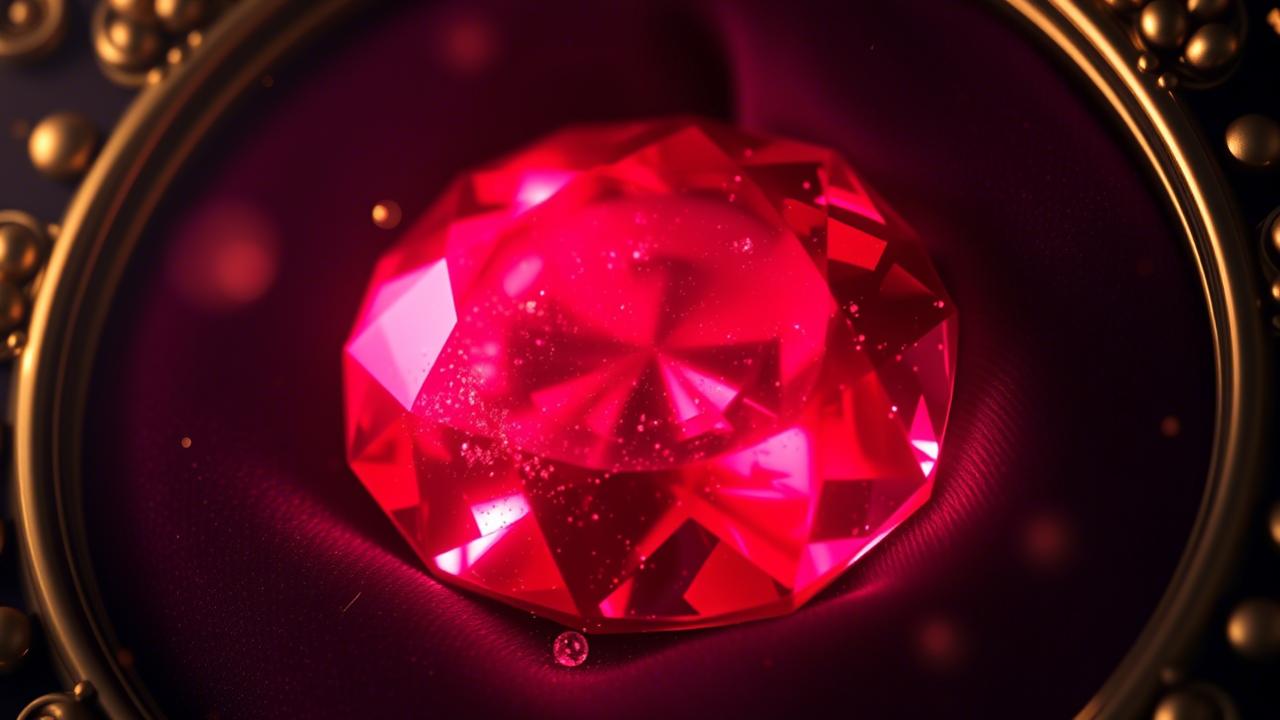
Rubies have captivated human hearts for centuries with their deep, passionate color and timeless elegance. Revered as one of the most valuable gemstones in the world, rubies are not only admired for their beauty but also for their rich history, cultural significance, and metaphysical properties. Whether set into an exquisite piece of jewelry or cherished as a collector’s item, ruby stone symbolize love, power, and protection. In this comprehensive blog post, we will explore the origins, characteristics, historical significance, symbolism, uses, and care of ruby stone shedding light on why they continue to be so highly sought after.
What is a Ruby Stone?
A ruby is a precious gemstone that belongs to the corundum mineral family. Corundum is composed of aluminum oxide (Al₂O₃), and when it contains trace amounts of chromium, it takes on a vibrant red hue—thus becoming a ruby. The presence of chromium is what gives rubies their signature red color and often results in fluorescence under ultraviolet light, enhancing their brilliance.
Rubies rank 9 on the Mohs scale of hardness, making them one of the hardest natural substances after diamonds. This remarkable durability makes them ideal for use in everyday jewelry like rings and bracelets. However, even though rubies are extremely hard, they can still be damaged by sharp impacts or exposure to harsh chemicals if not cared for properly.
The most prized rubies exhibit a vivid red color known as "pigeon blood" red—a term used to describe the deepest and most saturated shade. These high-quality rubies typically come from Myanmar (formerly Burma), although notable deposits also exist in Thailand, Sri Lanka, Tanzania, Madagascar, and Vietnam.
Historical Significance of Rubies
Rubies have been treasured throughout history, often associated with royalty, power, and divine favor. Ancient cultures believed that rubies contained powerful life force energy and could bring fortune and protection to their owners.
In ancient India, rubies were considered the “King of Gemstones” and were worn to attract wealth, wisdom, health, and success. Hindu texts such as the Vedas speak highly of rubies, referring to them as the gemstone connected to the Sun, which governs vitality and leadership qualities.
In Burmese culture, warriors once implanted rubies into their skin to make themselves invincible in battle. Meanwhile, in medieval Europe, rubies were thought to possess protective powers, guarding against evil and misfortune. Nobles and clergy adorned themselves with rubies to signify strength, nobility, and spiritual enlightenment.
During the Victorian and Art Deco periods, rubies became increasingly popular in Western fine jewelry. Iconic pieces such as ruby and diamond clusters or ruby-studded tiaras were worn by aristocrats and celebrities alike, further cementing the ruby's status as a symbol of luxury and prestige.
Symbolism and Meaning of Rubies
Beyond their physical allure, rubies carry profound symbolic meaning across different cultures and traditions:
Love and Passion : The intense red color of the ruby has long been associated with love, desire, and passion. It is often given as a gift to express deep affection, making it a popular choice for engagement rings and anniversary gifts.
Protection and Courage : Historically, rubies were believed to protect the wearer from harm. Ancient travelers wore rubies to ward off danger during their journeys, while warriors carried them into battle for courage and invincibility.
Wealth and Prosperity : In many Eastern traditions, rubies are linked to financial success and abundance. They are often used in Feng Shui practices to enhance prosperity and attract positive energies.
Spiritual Healing : Metaphysically, rubies are thought to stimulate the heart chakra and promote vitality, emotional balance, and motivation. They are said to energize the body, encourage confidence, and dispel feelings of lethargy or depression.
Royalty and Status : Due to their rarity and beauty, rubies have historically been worn by kings and queens as symbols of power and nobility. Even today, rubies remain a favored gemstone among collectors and celebrities.
Types of Rubies and Their Sources
Not all rubies are created equal. Various factors influence their value, including origin, clarity, color intensity, carat weight, and whether they have undergone treatments. Here are some of the most notable ruby types and sources:
1. Burmese Rubies (Myanmar)
Known for their unmatched pigeon blood red color.
Highly valued in the international market.
Often found in Mogok Valley, referred to as the "Valley of Rubies."
2. Thai Rubies
Typically darker red with brownish undertones.
More affordable than Burmese rubies.
Commonly heat-treated to improve color.
3. Sri Lankan Rubies
Tend to be lighter in color, ranging from pinkish-red to medium red.
Known for good clarity and larger sizes.
Less expensive than Burmese rubies.
4. Vietnamese and Thai Rubies
Display excellent red hues and are often untreated or lightly treated.
Considered high-quality alternatives to Burmese rubies.
5. Tanzanian and Mozambican Rubies
Newer sources gaining popularity in the gem trade.
Offer rich colors and affordability.
Some specimens rival those from traditional sources.
Treatments in Rubies
Most rubies available in the market today have undergone some form of treatment to enhance their appearance. The most common treatments include:
Heat Treatment : Used to improve color and clarity by dissolving silk inclusions.
Lead Glass Filling : A controversial method that fills fractures with glass to boost transparency and reduce visibility of damage.
Diffusion Treatment : Adds color to the surface of lower-quality rubies; however, this is not permanent and may wear off over time.
Natural, untreated rubies are rare and command premium prices. When purchasing a ruby, always ask for a certificate from a reputable gemological laboratory to verify its authenticity and treatment history.
Uses of Ruby Stones
Rubies are primarily used in fine jewelry due to their beauty and durability. Popular applications include:
1. Engagement Rings
Ruby engagement rings offer a unique alternative to traditional diamond rings. Their rich red color symbolizes eternal love and passion, making them a meaningful and eye-catching choice.
2. Earrings and Pendants
Rubies look stunning in earrings and pendants, especially when paired with diamonds or white gold. Their vibrant color adds elegance and contrast to any outfit.
3. Men's Jewelry
Due to their bold appearance, rubies are a favorite among men for cufflinks, tie tacks, and signet rings.
4. Investment and Collectibles
High-quality rubies are often collected or held as investments. Large, unheated Burmese rubies have appreciated significantly in value over the years.
5. Spiritual and Healing Practices
In crystal healing, rubies are used to energize the body, stimulate the heart, and promote courage and self-confidence.
How to Care for Ruby Jewelry
Despite their hardness, rubies require proper care to maintain their luster and longevity. Here are some essential tips for cleaning and maintaining ruby jewelry:
Cleaning : Soak your ruby jewelry in warm soapy water and gently scrub with a soft-bristled brush. Avoid using steam cleaners or ultrasonic devices unless you’re certain the ruby hasn’t been treated with glass filling or other enhancements.
Storage : Store ruby jewelry separately from other gems to prevent scratches. Use a fabric-lined jewelry box or pouch.
Avoid Harsh Chemicals : Remove ruby jewelry before swimming, cleaning, or applying lotions and perfumes, as chemicals can affect the stone's appearance.
Professional Inspection : Have your ruby jewelry inspected by a jeweler annually to check for loose settings or potential damage.
The Future of Ruby Stones
As demand for sustainable and ethically sourced gemstones increases, the ruby industry faces both challenges and opportunities. Many consumers are now seeking out conflict-free rubies, supporting fair mining practices, and opting for lab-grown rubies as eco-friendly alternatives.
Lab-created rubies have the same chemical, physical, and optical properties as natural ones but are produced in controlled environments at a fraction of the cost. While they lack the rarity and history of natural rubies, they offer an ethical and budget-friendly option for modern buyers.
Meanwhile, advancements in gemology continue to refine techniques for identifying and valuing rubies. With increased transparency and education, buyers can make more informed decisions about their ruby purchases.
Conclusion
From ancient legends to modern fashion, ruby stones have stood the test of time as symbols of love, strength, and opulence. Their fiery red glow continues to mesmerize people around the world, whether displayed in royal collections, embedded in heirloom jewelry, or cherished for their energetic properties.