In dynamic corporate environments, open office concepts have become increasingly popular. They promise collaboration, flexibility, and a modern aesthetic—but often at the cost of one crucial element: acoustic comfort. Amid constant chatter, keyboard clatter, and ringing phones, focus zones—the designated quiet areas for concentrated work—can struggle to fulfill their purpose. That’s where effective acoustic treatment steps in as a silent hero, transforming chaos into clarity.
Sound Challenge in Open Workspaces
While open offices break down walls, they inadvertently amplify distractions. According to numerous workplace studies, noise is among the top complaints in open-plan environments. When employees are constantly interrupted by sounds around them, their productivity, creativity, and overall satisfaction take a serious hit.
To combat this, organizations are now investing in well-designed focus zones equipped with proper acoustic treatment. These treatments aim to absorb, block, or diffuse sound, making it easier for employees to concentrate without distractions. But what exactly does acoustic treatment entail? Let’s explore.
Understanding Acoustic Treatment
Acoustic treatment involves the strategic use of various acoustic materials to control sound within a space. Unlike soundproofing, which prevents sound from entering or leaving a room, acoustic treatment manages the way sound behaves inside a space—reducing echo, controlling reverberation, and improving speech intelligibility.
Focus zones in open offices benefit from a blend of absorption, diffusion, and sometimes blocking techniques. And that’s where tools like acoustic panels, acoustic boards, and acoustic sheets come into play.
Role of Acoustic Panels in Focus Zones
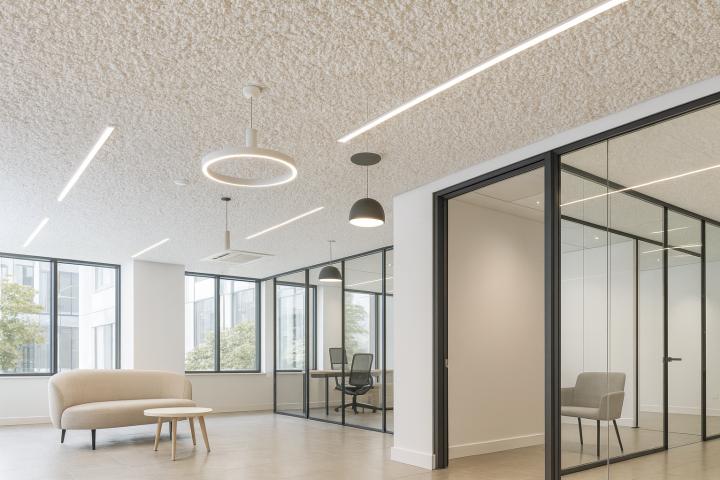
Acoustic panels are arguably the most versatile and widely used solution in office environments. These are specially engineered products made from acoustic materials designed to absorb unwanted sound waves, particularly in the mid to high-frequency range. Mounted on walls or ceilings, acoustic panels help reduce reverberation and echo, creating a calmer and more focused environment.
In focus zones, acoustic panels are often customized to fit the aesthetic of the office. They come in a wide range of colors, shapes, and patterns—proving that functionality and design can coexist beautifully. With strategic placement, these panels can dramatically reduce the ambient noise level, making it easier for employees to dive into deep work.
Using Acoustic Boards for Practical Sound Control
Another effective tool in the acoustic treatment arsenal is the acoustic board. These are thicker and often denser than acoustic panels, providing enhanced sound absorption capabilities. They are commonly used in partition walls, cubicles, or suspended ceilings within focus zones.
Acoustic boards are particularly beneficial when visual privacy is also a concern. They can be used to build semi-private enclosures that not only reduce noise but also block visual distractions—creating a more immersive work experience. The dual function of acoustic boards makes them an ideal solution for modern focus pods or booths.
Adding Versatility with Acoustic Sheets
Flexibility is a key element in open office designs. That’s why many organizations prefer the use of acoustic sheets, which offer sound-absorbing capabilities in a highly adaptable form. Acoustic sheets are thin, lightweight, and can be draped, wrapped, or layered over surfaces.
They are especially useful in areas where traditional panels or boards cannot be installed easily. For instance, wrapping acoustic sheets around columns, furniture, or even using them as curtains can reduce sound transmission significantly. In focus zones, these sheets contribute to subtle yet effective acoustic treatment, often without requiring major design alterations.
The Importance of Quality Acoustic Materials
Behind every effective acoustic treatment solution lies high-performance acoustic materials. Whether it’s PET felt, fiberglass, foam, or mineral wool, the quality of these acoustic materials determines how well the treatment performs. They are engineered to have the right density, porosity, and thickness to trap sound waves and convert them into negligible heat energy.
For focus zones in open offices, the right choice of acoustic materials ensures long-lasting performance and safety. Many modern acoustic materials are not only fire-retardant and eco-friendly but also antimicrobial—an added bonus in today’s health-conscious work environments.
Design Integration: Where Form Meets Function
One of the biggest myths about acoustic treatment is that it compromises aesthetics. On the contrary, it can enhance the visual appeal of a space when done thoughtfully. For example, acoustic panels and acoustic boards can double up as art installations, brand walls, or even wayfinding tools. Custom printing and 3D surface textures add an artistic flair while still delivering on acoustic performance.
Designers and architects are increasingly collaborating with acoustic solutions providers to ensure that the focus zones are not only quiet but also visually inviting. This synergy is critical to maintaining the design integrity of modern open workspaces.
Measurable Benefits of Acoustic Focus Zones
Organizations that have invested in dedicated focus areas with proper acoustic treatment report several measurable benefits:
Improved concentration and reduced cognitive fatigue
Lower stress levels among employees
Faster task completion and fewer errors
Higher employee satisfaction and retention
It’s clear that acoustic treatment is not a luxury—it’s a necessity in modern office planning, especially when designing spaces that demand high mental focus.
Conclusion: Silence is a Strategic Asset
In the ever-evolving world of workspaces, focus is becoming a rare commodity. With increasing demands on employee productivity and mental agility, employers must provide environments that support both collaboration and solitude.
Acoustic treatment plays a pivotal role in achieving this balance. By using a combination of acoustic panels, acoustic boards, acoustic sheets, and high-quality acoustic materials, organizations can transform their focus zones into sanctuaries of silence—without compromising on >
As we continue to embrace hybrid work and flexible office layouts, investing in acoustic treatment isn’t just smart—it’s strategic. After all, in a space designed for focus, silence isn’t just golden. It’s productive.