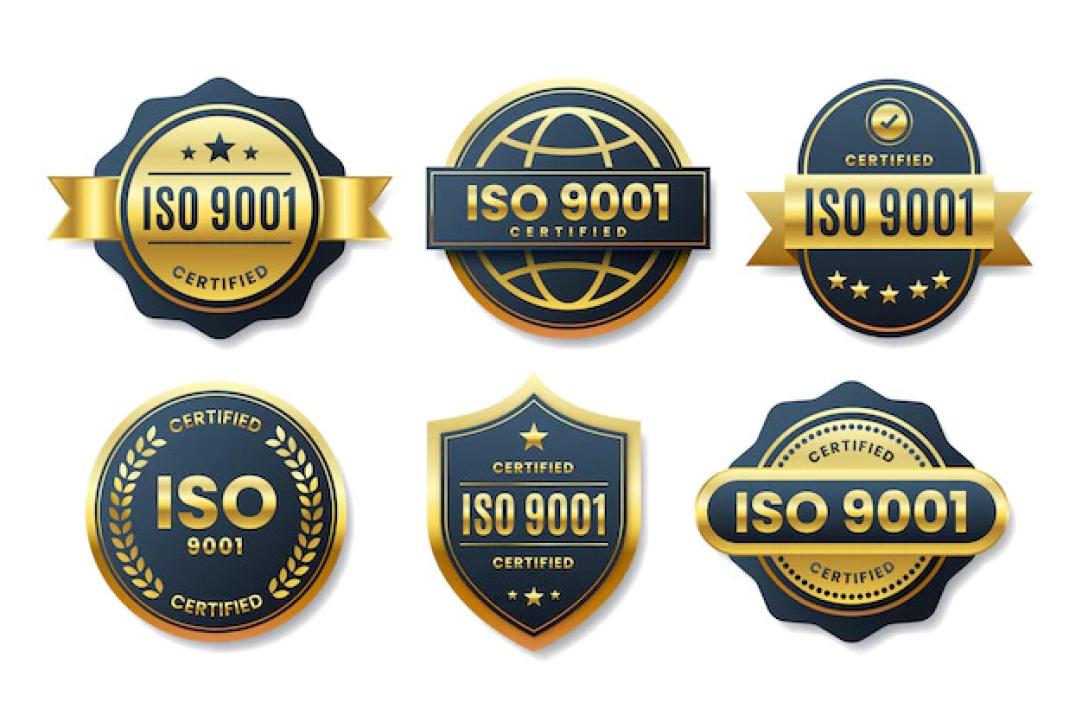

Understanding the ISO 9001:2015 Quality Management System
The ISO 9001 2015 Quality Management System (QMS) is a globally recognized standard that outlines the requirements for a robust quality management framework. It enables organizations to consistently provide products and services that meet customer and regulatory requirements, enhancing customer satisfaction through effective system application and continual improvement.
Achieving ISO 9001:2015 certification signifies an organization's commitment to quality and continuous improvement. This certification is not limited to any specific industry or organization size; it is applicable to any entity aiming to enhance its operational efficiency and customer satisfaction.
The Path to ISO 9001:2015 Certification
Embarking on the journey to ISO 9001:2015 certification involves several key steps:
Gap Analysis – Assess current processes against ISO 9001:2015 requirements.
Planning – Develop a roadmap to fill identified gaps.
Implementation – Make necessary improvements to the management system.
Training – Educate teams on roles within the quality management system.
Internal Audit – Evaluate the effectiveness of the QMS.
Management Review – Ensure system alignment with strategic goals.
Certification Audit – Independent audit by a certification body.
Role of Consultant Certification ISO 9001 Experts
Engaging professionals with consultant certification ISO 9001 can streamline this process. Their expertise in documentation, training, and audits simplifies compliance with the ISO 9001 2015 Quality Management System. Organizations gain clarity and confidence when guided by these experts, improving their chances of achieving certification smoothly.
Why ISO 9001:2015 Certified Companies Lead
Becoming ISO 9001:2015 certified offers powerful advantages:
Customer Trust: Demonstrates reliability and consistency.
Process Optimization: Reduces errors and boosts productivity.
Market Credibility: Enhances brand image and business potential.
Regulatory Compliance: Meets legal and statutory requirements.
Continuous Improvement: Encourages innovation and better outcomes.
Companies with the ISO 9001 2015 Quality Management System in place are often seen as industry leaders because of their commitment to high standards.
Consultant Certification ISO 9001 – A Strategic Decision
Hiring professionals with consultant certification ISO 9001 can lead to measurable business growth. These consultants not only offer tailored guidance but also help implement sustainable quality practices. This hands-on support ensures organizations maintain their ISO 9001:2015 certification in the long run.
Becoming ISO 9001:2015 Certified: A Competitive Edge
Being ISO 9001:2015 certified enhances your market presence. With proven systems in place, businesses can bid for larger contracts, attract quality-conscious customers, and demonstrate commitment to excellence. It's more than just compliance—it’s a strategy for operational excellence and long-term growth.
Conclusion
Implementing the ISO 9001 2015 Quality Management System is not just a standard—it’s a business transformation tool. Whether through internal improvements or support from consultant certification ISO 9001 professionals, achieving and maintaining ISO 9001:2015 certification signifies trust, efficiency, and quality. For any organization, it's a pathway to enduring success.
FAQs on ISO 9001 2015 Quality Management System
What is ISO 9001:2015?
ISO 9001:2015 is an international standard that sets out the criteria for a quality management system applicable to all types of organizations.
Why is ISO 9001:2015 important?
It helps organizations ensure quality, improve efficiency, and increase customer satisfaction by standardizing business processes.
Who needs ISO 9001:2015 certification?
Any company that wants to improve quality management and gain a competitive edge should consider getting ISO 9001:2015 certification.
What are the steps to achieve ISO 9001:2015?
They include planning, gap analysis, implementation, training, internal audit, and final certification by an independent body.
How long does it take to get ISO 9001:2015 certified?
It varies depending on the organization’s size and complexity but typically ranges from 3 to 12 months.
Is ISO 9001:2015 certification mandatory?
No, it is voluntary. However, it is often required in tenders or contracts, especially in quality-sensitive sectors.
What are the key principles of ISO 9001:2015?
Customer focus, leadership, engagement of people, process approach, improvement, evidence-based decision-making, and relationship management.
What is the difference between being certified and implementing the standard?
Implementing means aligning with the standard's principles internally, while certification involves external audit and recognition.
Does ISO 9001:2015 apply to small businesses?
Yes, it is scalable and adaptable to businesses of all sizes, from small startups to large enterprises.
How does consultant certification ISO 9001 help?
Certified consultants provide practical support and expertise, reducing risks and accelerating the path to successful ISO 9001 2015 Quality Management System implementation.
Suggested Certifications –

Contact us: Pacific Certifications