India’s journey toward a cashless economy and inclusive banking has seen a massive transformation in recent years. One of the major forces behind this revolution is the Aadhaar Enabled Payment System (AEPS). It allows rural citizens to access banking services using only their Aadhaar number and biometric verification. But the backbone of this system is powered by AEPS API providers, who ensure secure, fast, and seamless transactions between customers, banks, and agents.
This article explores how AEPS API provider are enabling last-mile banking and powering digital transactions across rural India, thereby driving financial inclusion and strengthening the digital economy.
What Is AEPS and How Does It Work?
AEPS is a system developed by the National Payments Corporation of India (NPCI). It enables Aadhaar-linked bank account holders to perform financial transactions such as:
-
Cash withdrawal
-
Balance inquiry
-
Mini statement
-
Aadhaar-to-Aadhaar fund transfer
-
Direct benefit transfers (DBT)
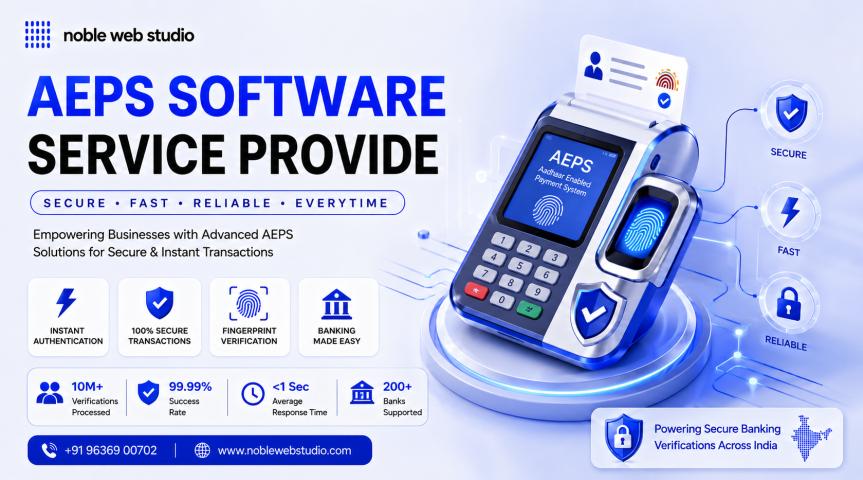
All of these services are accessible at Customer Service Points (CSPs) and small retail shops using micro ATMs and fingerprint biometric devices.
These transactions rely on robust AEPS APIs (Application Programming Interfaces) to communicate with banks and payment gateways in real-time. That’s where AEPS API providers come in—they build the digital infrastructure that enables agents to serve rural customers securely and efficiently.
Role of AEPS API Providers in Rural Banking
AEPS API providers play a vital role in connecting rural India with mainstream banking. They offer secure and scalable technology that bridges the gap between agents, banks, and customers. Here's how they make a difference:
1. Real-Time Transaction Processing
AEPS APIs allow instant processing of transactions, giving users quick access to cash and financial data. This is crucial in rural areas where speed and reliability build trust among users.
2. Seamless Integration for Service Providers
Retailers and distributors who wish to offer AEPS services can easily integrate the API into their existing portals. The AEPS API connects them to multiple banks through a single platform.
3. Secure Biometric Authentication
Every transaction done through AEPS involves biometric authentication (usually a fingerprint), and AEPS API providers ensure that this sensitive data is encrypted and handled securely.
4. Support for Multiple Services
Most AEPS API providers also offer additional services like BBPS (bill payment), money transfer software, and mobile recharge software, helping retailers offer a full suite of digital financial services to rural customers.
Driving Financial Inclusion Through AEPS APIs
India’s rural population has historically faced many challenges in accessing formal banking—long distances to branches, limited infrastructure, and a lack of awareness. AEPS API providers are helping solve these issues in the following ways:
-
Access to Banking Without a Bank
With a local AEPS-enabled agent, even the remotest villages can offer banking services. The API connects the agent’s device directly to the banking system. -
Empowering Rural Agents and Entrepreneurs
Retailers and shopkeepers can earn commissions and become digital banking points in their villages. This increases financial awareness and encourages more people to use formal banking services. -
Enabling Government Subsidy Access
Through AEPS, rural citizens can directly receive and withdraw government subsidies and pensions using just their Aadhaar card and fingerprint. -
Women’s Financial Participation
AEPS makes it easier for women in rural households to access financial services independently, increasing their economic participation and savings behavior.
Choosing a Reliable AEPS API Provider
If you’re a fintech company, distributor, or agent looking to offer AEPS services, choosing the right API provider is key. A few things to look for include:
-
Strong Uptime and Performance: APIs should work 24/7 without major downtime.
-
Banking Network Coverage: The provider should support integration with most public and private sector banks.
-
Secure and Compliant: The API must be compliant with NPCI guidelines and ensure secure data handling.
-
Multi-Service Platform: Providers offering mobile recharge, bill payments, and money transfers alongside AEPS are more beneficial for end users and agents.
AEPS API Providers Are the Backbone of Digital Bharat
AEPS API providers are quietly playing a powerful role in India's digital transformation. They offer the infrastructure and backend technology that allows:
-
Financial services to reach villages
-
Small businesses to become banking points
-
Citizens to withdraw cash without an ATM
-
Governments to transfer subsidies without leaks
With their efforts, India is steadily moving toward a cash-lite economy, and millions of rural Indians are becoming part of the formal financial system for the first time.
Conclusion: The Future of Rural Digital Payments
AEPS API providers are not just offering software—they are offering opportunity. Their platforms are enabling agents, empowering rural citizens, and expanding the reach of banking. As India continues to invest in rural fintech and digital inclusion, the role of AEPS API providers will become even more crucial.
To build a strong and inclusive financial ecosystem, it’s essential to have a trusted technology partner. Many providers today also offer full solutions like aeps portal development, bbps software service, mobile recharge software, and micro ATM software development. These platforms support agents in delivering multiple services through a single dashboard, making rural banking smarter and more efficient.
In the coming years, AEPS API integration, supported by trusted aeps software development company, will power not just transactions—but transformation. Whether you're launching a travel portal development, expanding into mobile recharge software, or offering pan card services, having the right AEPS partner ensures your services reach the very last mile.