
In the fast-paced world of digital marketing, staying updated on social media trends is no longer just an option; it’s a necessity. As platforms evolve and user behaviors shift, what worked yesterday might not cut it today. For marketing professionals, business owners, and entrepreneurs alike, understanding these trends can mean the difference between leading the pack and falling behind. Whether you’re part of a social media agency in Sydney or managing your own brand, keeping your finger on the pulse of the latest developments is essential.
Social media trends shape our marketing strategies in profound ways. They dictate how we engage with our audiences and influence the tools and techniques we employ to connect with potential customers. From the rise of short-form video content to the increasing focus on ethical marketing practices, adapting to these trends will empower you to create more effective digital marketing strategies. So, if you’re ready to elevate your social media game and drive better results, keep reading as we dive into the top seven trends that you simply cannot afford to ignore. https://mstechnologies.au/social-media-agency-sydney/
Rise of Short-Form Video Content
The explosion of short-form video content has redefined the landscape of social media marketing, with platforms like TikTok and Instagram Reels leading the charge. These platforms have not only captured the attention of millions but also influenced user behavior, making them essential tools for brands looking to engage their audience. According to recent statistics, TikTok has surpassed 1 billion active users globally, demonstrating its immense potential for marketers. As social media agency Sydney experts at Ms Technologies emphasize, incorporating short-form videos into your marketing strategy can significantly enhance audience engagement and brand visibility.
Creating engaging short-form videos requires a blend of creativity and strategy. Start by identifying your target audience and what resonates with them. Use catchy hooks in the first few seconds to capture attention, as most viewers decide whether to keep watching within moments. Incorporating trending sounds or challenges can also boost your video's reach. Additionally, leveraging social media tools for analytics can help you track performance and optimize future content. For example, brands like Gymshark have successfully utilized Instagram Reels to showcase quick workout tips, combining entertainment with value that keeps their audience coming back for more.
Authenticity plays a crucial role in video marketing, especially in the realm of short-form content. Today's consumers crave genuine interactions and relatable content over polished advertisements. This means showing the human side of your brand—whether through behind-the-scenes footage, customer testimonials, or candid moments—can create a deeper connection with your audience. A great example is the popular brand Fenty Beauty, which often features real customers and diverse influencers in their short videos, fostering a sense of community and trust among viewers.
As the trend towards short-form video continues to rise, marketers must stay agile and adaptable. Embracing this format not only allows for creative expression but also opens up new avenues for audience engagement. By prioritizing authenticity and leveraging effective strategies, businesses can harness the power of short-form videos to leave a lasting impact on their target demographic. Whether you're working with a social media agency in Sydney or managing your own campaigns, now is the time to embrace this dynamic marketing trend. https://mstechnologies.au/social-media-agency-sydney/
Increased Focus on Social Commerce
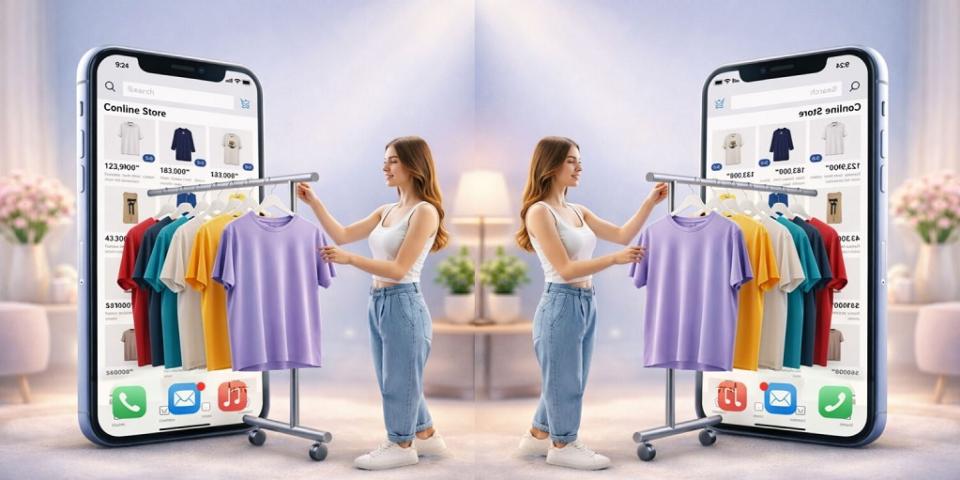
In recent years, social media platforms have evolved from mere networking sites into powerful sales channels. With the integration of shopping features on platforms like Instagram, Facebook, and Pinterest, brands now have the opportunity to create seamless shopping experiences directly within their social feeds. For instance, Instagram's Shop feature allows users to explore curated product collections while browsing through their favorite accounts, effectively transforming passive scrolling into active shopping. This shift is not just a trend; it represents a fundamental change in consumer behavior, where users expect to discover and purchase products without leaving their favorite apps.
Leveraging social commerce provides several benefits for brands looking to enhance their online presence. First and foremost, it significantly boosts brand visibility, allowing businesses to reach potential customers where they already spend a considerable amount of time. Additionally, social commerce offers a unique avenue for brands to connect with consumers on a personal level, fostering engagement through interactive content creation. Brands can use shoppable posts or live-streamed shopping events to showcase products in real-time, creating an immersive experience that traditional e-commerce cannot match.
To optimize product listings on social media, brands should focus on high-quality visuals and compelling descriptions that resonate with their target audience. It's essential to utilize engaging content that not only highlights the product but also tells a story that aligns with the brand's values. For example, using life>
In summary, the rise of social commerce is reshaping how brands connect with consumers. By embracing these shopping features and optimizing their approach to product listings, businesses can enhance their brand visibility and drive sales directly through social media platforms. As the landscape continues to evolve, staying ahead of these trends will be crucial for any brand looking to thrive in the digital marketplace.
Influencer Marketing Evolution
As the landscape of influencer marketing continues to evolve, brands are reevaluating their partnerships to ensure authenticity and alignment with their values. In recent years, consumers have become increasingly discerning about who they trust, leading to a shift from celebrity endorsements to more relatable influencers. This change has prompted brands to prioritize authentic connections over sheer follower counts. For instance, a social media agency in Sydney, such as Ms Technologies, emphasizes the importance of engaging with influencers who resonate genuinely with their audience rather than simply choosing those with the largest reach.
When considering influencer partnerships, brands must weigh the benefits of working with micro versus macro influencers. Micro influencers often boast higher engagement rates and stronger community ties, making them ideal for niche markets. Brands can leverage analytics tools to track the effectiveness of these partnerships, ensuring that their campaigns yield tangible results. For example, a beauty brand collaborating with a micro influencer known for their honest reviews may find that their products receive more genuine interest and conversions compared to a campaign with a macro influencer whose audience may not be as engaged.
Aligning brand values with influencers is crucial for maintaining credibility in today’s market. Consumers are quick to spot inauthenticity, and misalignment can lead to backlash or diminished trust. Brands should seek out influencers who not only align with their mission but also embody the life>
Enhanced User Engagement through AR and VR
As social media continues to evolve, augmented reality (AR) and virtual reality (VR) are emerging as powerful tools in marketing strategies. These technologies provide immersive experiences that engage users in a way traditional formats cannot. By enhancing customer interaction, brands can create memorable experiences that not only capture attention but also encourage deeper connections with their audience. As platforms increasingly support these technologies, marketers must consider how to integrate AR and VR into their social media advertising efforts effectively.
Successful campaigns utilizing AR and VR have demonstrated their potential to transform user engagement. For instance, IKEA's "IKEA Place" app uses AR to allow customers to visualize how furniture would look in their homes before making a purchase. This innovative approach not only improves the shopping experience but also encourages users to share their virtual setups on social media, amplifying brand visibility. Similarly, brands like Nike and Sephora have embraced AR technology through features that let customers virtually try on products, bridging the gap between online shopping and the tactile experience of in-store visits.
Looking ahead, the potential for AR and VR in social media marketing is vast. As more consumers seek immersive experiences, brands that leverage these technologies will likely stand out in a crowded marketplace. The ability to create virtual showrooms or host events in immersive environments could redefine how businesses interact with customers. Furthermore, as technology advances and becomes more accessible, the cost of implementing AR and VR solutions is expected to decrease, making it easier for small and medium-sized businesses to join the trend.
In conclusion, embracing AR and VR in social media marketing not only enhances customer interaction but also positions brands as innovative leaders in their industries. As these technologies continue to develop, marketers should stay informed about emerging trends and consider how they can incorporate immersive experiences into their advertising strategies to foster deeper connections with their audience.
Emphasis on Community Building
In the ever-evolving landscape of social media marketing, there's been a significant shift from purely transactional relationships to fostering community-focused engagement. Brands are beginning to recognize that consumers crave connection and belonging more than just a simple transaction. This change is prompting businesses to rethink their marketing strategies, aiming to cultivate loyal communities around their products or services. By focusing on building relationships rather than just selling, brands can enhance customer loyalty and create advocates who genuinely believe in their mission. https://mstechnologies.au/social-media-agency-sydney/
To foster an online community around your brand, consider utilizing various techniques such as hosting live Q&A sessions, creating dedicated group spaces on platforms like Facebook or Discord, and encouraging user-generated content. For instance, Ms Technologies, a prominent social media agency in Sydney, has successfully implemented community-driven strategies by engaging their audience through interactive webinars and collaborative projects. They encourage customers to share their experiences, which not only builds a sense of belonging but also provides valuable insights into customer preferences. This two-way communication creates a vibrant ecosystem where users feel valued and heard.
The benefits of community-driven marketing strategies are manifold. Not only do they enhance customer loyalty, but they also lead to increased brand awareness through word-of-mouth referrals. When customers feel a genuine connection to your brand, they are more likely to recommend it to friends and family. Furthermore, communities can serve as valuable feedback loops, offering insights that inform product development and marketing strategies. By leveraging the power of community, brands can create a supportive network that ultimately drives sales while reinforcing their brand values.
As you navigate the social media landscape, remember that the emphasis on community building is not just a trend—it's a fundamental shift in how brands interact with their audiences. By prioritizing authentic engagement and fostering connections, you can transform your social media presence into a thriving community that supports both your brand and its members.
Data Privacy and Ethical Marketing Practices
In an era where consumers are becoming increasingly aware of their digital footprints, data privacy has emerged as a paramount concern. Recent surveys indicate that over 80% of consumers are worried about how their personal information is being used by brands. The Cambridge Analytica scandal and similar events have heightened awareness and skepticism around data practices, prompting users to demand more control over their data. For businesses, this means that not only must they be vigilant about how they collect and store data, but they also need to be transparent about their practices to maintain consumer trust.
To navigate the complex landscape of data privacy, brands should adopt best practices for ethical data collection and usage. This includes obtaining explicit consent from users before collecting personal information, ensuring that data is used solely for the purposes stated during the collection process. Companies like Apple have set a precedent by implementing privacy features that allow users to opt out of tracking, showcasing a commitment to protecting user privacy. Such measures not only comply with regulations like GDPR but also resonate with consumers who value their privacy, ultimately leading to stronger customer loyalty.
Transparency plays a crucial role in enhancing brand trust. When companies openly communicate how they collect, use, and protect consumer data, it fosters a sense of security among users. For example, brands that provide clear privacy policies and regularly update their customers on any changes to data handling practices tend to build a more loyal following. Additionally, leveraging tools like data anonymization can demonstrate a commitment to ethical marketing practices while still allowing businesses to gain insights from consumer behavior without compromising individual privacy.
As businesses adapt to this evolving landscape, prioritizing data privacy and ethical marketing will not only help them comply with regulations but also differentiate them in a crowded marketplace. By establishing themselves as trustworthy stewards of consumer data, brands can cultivate long-term relationships that go beyond transactional exchanges, ultimately leading to sustainable growth and success in the digital age.
The Role of AI in Social Media Marketing
Artificial Intelligence (AI) is rapidly transforming the landscape of social media marketing, providing businesses with innovative tools to enhance their strategies and engagement efforts. From automating content creation to optimizing customer interactions, AI technologies are helping marketers analyze vast amounts of data and personalize their outreach like never before. For instance, social media agency Sydney firms are increasingly leveraging AI-driven analytics to identify trends and consumer behaviors, enabling them to craft tailored campaigns that resonate with their target audience.
One of the most compelling applications of AI in social media marketing is in content creation. Tools such as chatbots and AI writing assistants can generate engaging posts, captions, and even entire articles based on user input and preferences. This not only saves time but also ensures a consistent brand voice across platforms. Additionally, companies like Ms Technologies are utilizing AI algorithms to analyze user-generated content, ensuring that brands can capitalize on real-time feedback and trends. By doing so, they can produce timely and relevant content that captures audience interest effectively.
AI also plays a significant role in enhancing customer service within social media channels. Chatbots powered by AI can provide instant responses to frequently asked questions, manage inquiries, and even facilitate transactions, all while learning from each interaction to improve future responses. This level of efficiency not only enhances the customer experience but also frees up human resources to focus on more complex issues. As more businesses recognize the value of AI in streamlining operations and improving client relations, the future implications for marketing strategies are immense.
Looking ahead, the integration of AI technology in social media marketing will likely continue to evolve, offering even more advanced capabilities such as predictive analytics and hyper-personalization. Marketers will be able to anticipate consumer needs and tailor their offerings accordingly, fostering deeper connections with audiences. As AI becomes an essential component of marketing strategies, businesses that embrace these technologies will undoubtedly gain a competitive edge in an increasingly digital landscape.
Embrace the Future of Social Media Marketing
In today's fast-paced digital landscape, staying updated on social media trends is essential for success. The trends we've explored—from the rise of short-form videos to the growing importance of data privacy—are reshaping how brands connect with their audiences. Adapting to these changes can significantly enhance your marketing strategies and lead to more meaningful engagement with customers.
As you move forward, consider implementing these insights into your own marketing approach. Whether you’re working with a social media agency in Sydney or managing your brand’s online presence directly, embracing these trends will keep you competitive. Companies like Ms Technologies are already leveraging these strategies to boost their clients' visibility and engagement. Don’t get left behind—take action now and watch your brand thrive in the ever-evolving social media landscape. https://mstechnologies.au/social-media-agency-sydney/