If you are looking to create a reliable mobile recharge platform, partnering with the right Mobile Recharge Software Development Company is the first step. Understanding the development process helps businesses build efficient and user-friendly recharge software that meets customer needs. This guide explains the step-by-step process of mobile recharge software development in simple language, so anyone can grasp how these platforms are created and function smoothly.
Step 1: Requirement Analysis
The first stage is gathering and understanding all the business needs. This includes deciding the types of services (mobile recharge, DTH, bill payments), target users, supported payment methods, and operator integrations. Clear requirements help shape the entire development process.
Step 2: Designing the Software
Designers create the user interface (UI) and user experience (UX) to ensure the software is easy to use. This step includes wireframes, mockups, and prototypes that focus on simple navigation, quick recharge options, and clear payment flows. Good design makes customers return again and again.
Step 3: API Integration
A critical step is integrating the recharge APIs from telecom operators and payment gateways. This allows the software to connect with multiple service providers like Airtel, Jio, Vodafone, and others, enabling real-time recharge processing and instant payment confirmation.
Step 4: Development and Coding
Here, developers write the code for both the frontend (what users see) and backend (the server-side logic). The backend handles requests, processes payments, manages user accounts, and tracks commissions. This step ensures that the software is secure, fast, and scalable.
Step 5: Testing
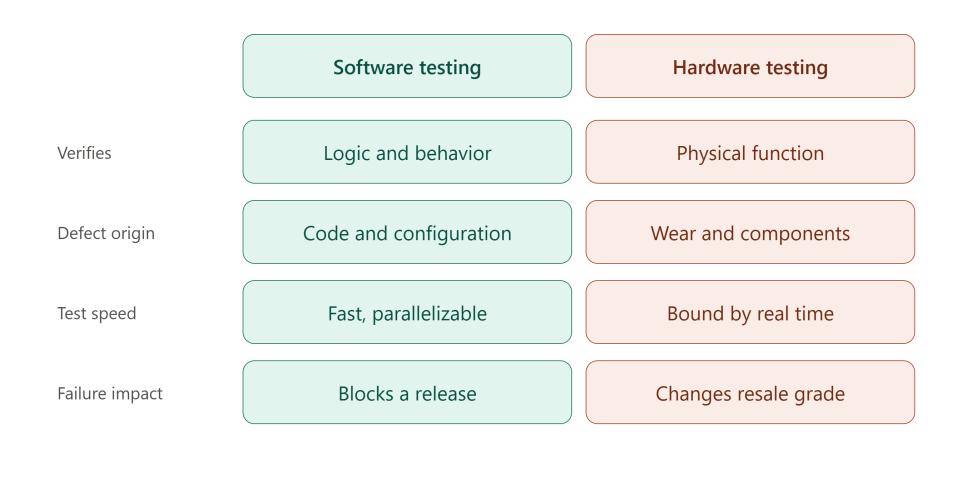
Before launching, the software undergoes thorough testing to catch bugs and errors. This includes functional testing (checking all features work), performance testing (software handles many users), and security testing (protects sensitive data). Testing guarantees a smooth experience for users.
Step 6: Deployment
Once tested, the software is deployed on live servers. This means it becomes available for users to access and use. Proper deployment ensures that the platform is stable and can handle real-world usage.
Step 7: Maintenance and Updates
Post-launch, regular maintenance is essential. This includes fixing bugs, updating operator APIs, adding new features, and improving security. Continuous support keeps the software up-to-date and competitive in the market.
Why Choose a Professional Mobile Recharge Software Development Company?
Working with an experienced company ensures your software is built with the latest technology, follows industry security standards, and is customizable to your business needs. This saves time, reduces risks, and helps you offer excellent services to your customers.
Conclusion
The Mobile Recharge Software Development process involves clear planning, design, coding, testing, and maintenance to create a reliable and efficient platform. By following these steps and choosing the right development partner, businesses can build software that meets modern digital payment demands.