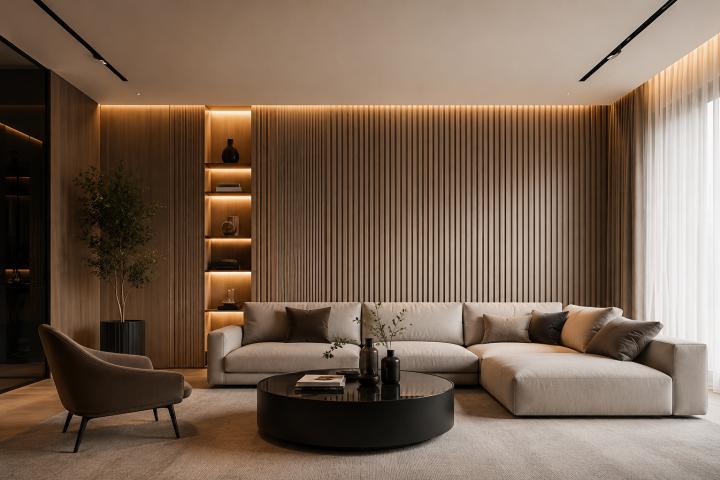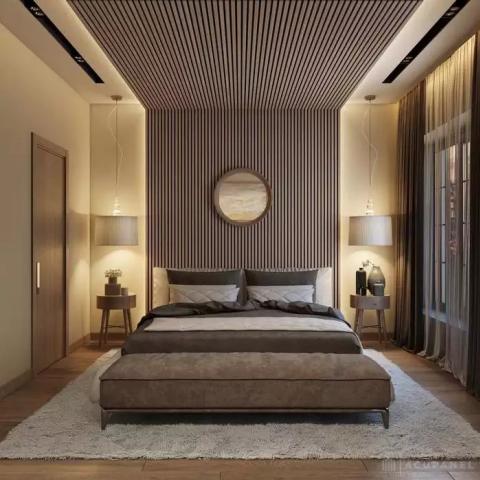

When designing interior spaces, especially in regions with high humidity, Wooden Acoustic Panels are often a top choice for combining aesthetics with functionality. But a common concern that arises among architects, designers, and facility managers is: How durable are these panels in humid environments? Do they warp, degrade, or lose their acoustic efficiency over time? Let’s explore the science, material strength, and innovations behind Wooden Acoustic Panels to determine their resilience in such conditions.
The Allure of Wooden Acoustic Panels
Before diving into durability, it’s important to understand why Wooden Acoustic Panels are so widely used in the first place. Apart from their natural warmth and timeless appeal, these panels offer:
Excellent sound absorption
Aesthetic enhancement to interiors
Natural material feel and biophilic design benefits
Customizability in terms of perforation, slats, colors, and finishes
These attributes make them a go-to solution for commercial offices, auditoriums, hospitality spaces, and even upscale residences.
But looks and acoustics aside, their performance in humid climates is a critical factor that can’t be overlooked.
Wood and Humidity – A Complex Relationship
Wood, by nature, is hygroscopic. This means it tends to absorb and release moisture based on the surrounding environment. In a humid space, untreated or poorly engineered wood can:
Expand or swell
Warp or bend
Foster mold or mildew
Degrade in surface finish over time
So does this mean Wooden Acoustic Panels are unsuitable for humid conditions? Absolutely not. Modern engineering and manufacturing methods have made huge leaps in overcoming these issues.
What Makes Modern Wooden Acoustic Panels Humidity-Resistant?
Today's Wooden Acoustic Panels are far more advanced than the traditional wooden fixtures of the past. Here's how manufacturers ensure they’re fit for humid environments:
1. Engineered Wood Core Materials
Most high-performance Wooden Acoustic Panels aren’t made from solid timber. Instead, they use Medium-Density Fibreboard (MDF) or High-Density Fibreboard (HDF) with moisture-resistant properties. These engineered cores are less prone to swelling and maintain structural integrity under fluctuating humidity.
2. Laminated or Veneer Finishes
Surface finishes play a huge role in preventing moisture ingress. Laminated panels or panels covered with real wood veneer and sealed with UV coating act as a barrier against humidity. This layer not only protects but also retains the natural look and feel of wood.
3. Perforation Patterns and Backing
Many Wooden Acoustic Panels are perforated or slatted to enhance their acoustic performance. These perforations are supported by acoustic fleece or mineral wool backing that also resists moisture absorption.
4. Protective Coatings and Sealants
Advanced water-repellent sealants and coatings are used during the finishing process. These coatings act like a shield against moisture, dust, and microbial growth.
Real-World Applications in Humid Climates
Many successful case studies prove the durability of Wooden Acoustic Panels in challenging environments:
Hotels and Resorts in Coastal Areas: These locations deal with high salt and humidity in the air, yet wooden acoustic cladding in lobbies, restaurants, and ballrooms continues to perform both visually and acoustically.
Educational Institutions in Tropical Regions: Lecture halls and classrooms equipped with Wooden Acoustic Panels not only improve speech clarity but also withstand the moisture that comes with a densely populated, tropical campus.
Healthcare Spaces with Strict Hygiene Norms: Hospitals in humid zones use specially treated Wooden Acoustic Panels that are anti-microbial and easy to maintain.
These real-world examples testify that, when chosen and installed correctly, Wooden Acoustic Panels are a long-term solution even in moisture-laden environments.
Installation Best Practices for Humid Conditions
Durability isn't just about the product; it's also about how it's installed and maintained. Here are key installation tips to maximize longevity:
Acclimatize Panels Before Installation: Let the panels adjust to the ambient humidity of the space for 48–72 hours before installation.
Use Moisture-Resistant Adhesives and Fasteners: These components should be compatible with both the substrate and the panels to avoid corrosion or bonding failures.
Create Air Gaps Where Necessary: A ventilated backing system allows the panel to ‘breathe’ and reduces moisture buildup.
Seal Edges and Cut Surfaces: Any exposed MDF or HDF edges should be sealed during installation to prevent moisture ingress.
Maintenance: A Key to Longevity
Even the most resilient materials need care. To keep your Wooden Acoustic Panels performing optimally in humid environments:
Regularly clean surfaces with a dry or lightly damp cloth—avoid wet wipes or harsh chemicals.
Check for any signs of surface damage or delamination and repair immediately.
Ensure the HVAC system maintains indoor humidity levels within recommended ranges (ideally 40-60%).
Proper maintenance extends the life and preserves the beauty of the panels while ensuring they continue to serve their acoustic function.
Final Verdict: Yes, They Are Durable
The simple answer to the question “Are Wooden Acoustic Panels durable in humid environments?” is Yes – when you choose the right product and take the right precautions.
Modern Wooden Acoustic Panels are no longer limited by the natural constraints of wood. With moisture-resistant cores, advanced coatings, smart installation, and thoughtful maintenance, they can easily withstand humid climates without compromising on performance or aesthetics.
So, whether you’re designing a wellness retreat in Kerala, a learning space in Southeast Asia, or a corporate office in Mumbai, you can confidently go with Wooden Acoustic Panels — not just for their beauty, but for their dependable durability as well.