
In today’s fast-paced world, anxiety and depression have become some of the most common mental health challenges. With millions seeking support, mental health apps are transforming how individuals access care, manage symptoms, and reclaim control over their emotional well-being. These digital solutions are not just a trend—they’re a lifeline for many, offering privacy, accessibility, and consistency. Below, we explore the benefits, features, and future of mental health app development, including the opportunities for businesses to launch their own White Label Mental Health App to support users worldwide.
Why Mental Health Apps Are Game Changers for Anxiety and Depression
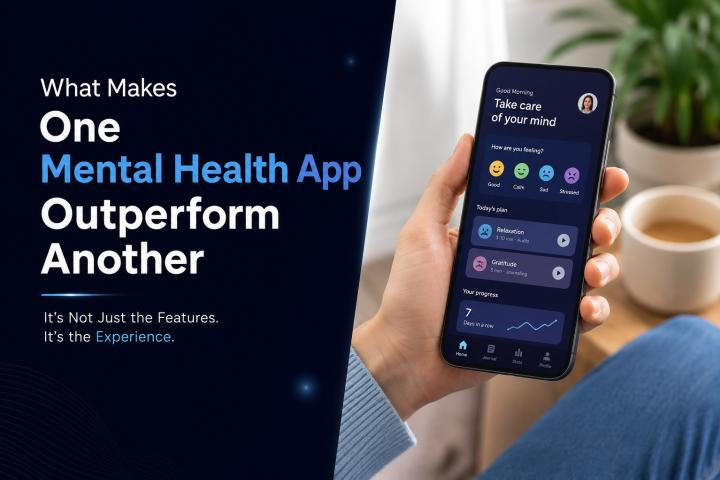
Mental health apps provide immediate, 24/7 support. Whether you’re dealing with a sleepless night due to anxiety or battling chronic depressive thoughts, these tools offer guided meditations, cognitive behavioral therapy (CBT), mood tracking, journaling, and chat-based therapy—right from your smartphone.
Unlike traditional therapy, users are not bound by time zones, appointment availability, or the stigma of visiting a clinic. These apps offer a safe, non-judgmental, and supportive digital environment to reflect, improve, and track mental health progress.
Top Features of the Best Mental Health Apps
To effectively manage anxiety and depression, a well-designed mental health app should offer:
- Mood Tracking: Users log their mood daily to identify patterns and triggers.
- CBT Programs: Evidence-based CBT sessions help reframe negative thought patterns.
- Guided Meditation & Breathing Exercises: Calm the nervous system and reduce panic symptoms.
- AI-Powered Chatbots: Immediate responses for emotional support when professionals are unavailable.
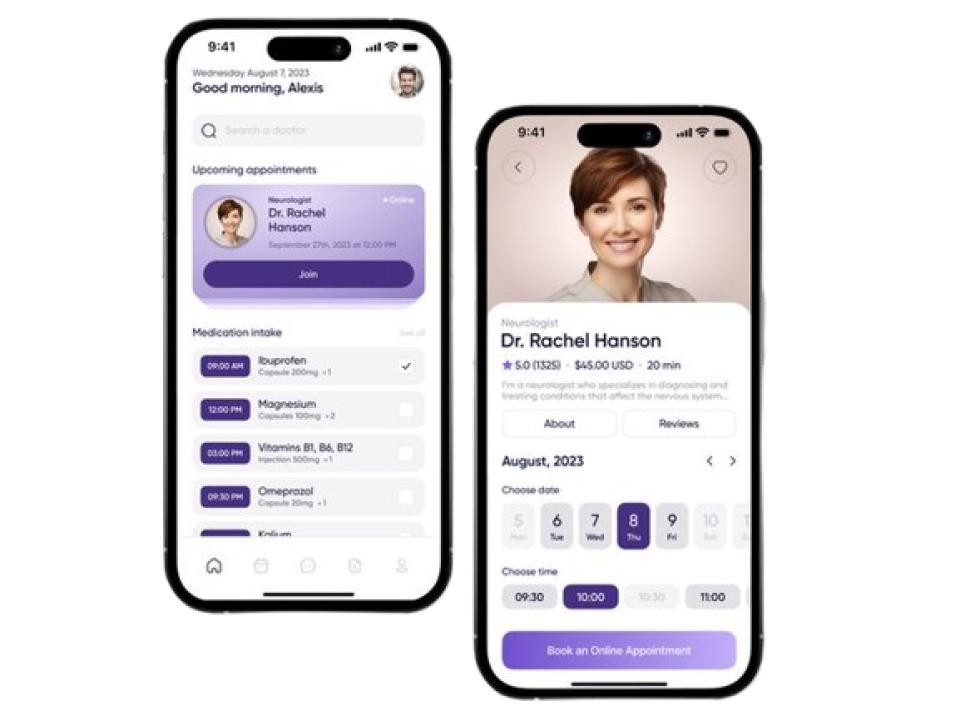
- Live Therapy Sessions: Connect with licensed therapists through chat, voice, or video.
- Journaling: Private digital space for thoughts, affirmations, and emotional release.
- Reminders and Daily Motivation: Push notifications that keep users grounded and consistent.
- Data Privacy and Security: Strong encryption and HIPAA compliance to protect sensitive mental health data.
Understanding Mental Health App Development
Mental health app development involves a multi-stage process that ensures both technical excellence and clinical relevance. Creating a reliable, evidence-based app that genuinely helps users requires close collaboration between developers, psychologists, UX designers, and legal experts.
Key Phases of Development:
- Requirement Gathering & Research: Define the user personas—e.g., people with mild anxiety, those with diagnosed depression, teenagers, or working professionals—and identify their pain points.
- Feature Planning & UI/UX Design: The app must offer a comforting interface. Soft colors, intuitive navigation, and personalization options enhance emotional comfort.
- Integration of Clinical Expertise: Partner with psychologists and therapists to incorporate science-backed therapies like CBT, ACT (Acceptance & Commitment Therapy), and mindfulness.
- Development & Testing: Build native or cross-platform apps with a backend that securely stores data. Testing must include both usability testing and clinical validation.
- Launch & Post-Launch Monitoring: Track user feedback, iterate rapidly, and ensure mental health compliance with frameworks such as HIPAA and GDPR.
The Rise of the White Label Mental Health App
Many businesses are now investing in White Label Mental Health Apps, a cost-effective and scalable solution to enter the wellness market. These ready-made platforms can be branded and customized to target specific niches—be it corporate wellness, schools, or community support groups.
Benefits of White Label Solutions:
- Faster Time-to-Market: Launch your branded mental health app in weeks, not months.
- Lower Development Costs: Skip the high costs of development and compliance certification.
- Customization: Add unique branding, color themes, and tailored features.
- Revenue Generation: Offer premium features, subscriptions, or therapy sessions for monetization.
- Ongoing Support: Most white label providers offer tech support and regular updates.
These platforms are already pre-loaded with the core features like mood tracking, CBT, journaling, and therapist integration, making them ideal for startups, clinics, or enterprises focused on employee mental health.
Target User Segments for Mental Health Apps
A successful mental health app development project understands its audience. Here are key user segments to consider:
- Teenagers & Students: Apps designed with school pressures, bullying, and emotional maturity in mind.
- Corporate Employees: Features like stress management, productivity boosters, and burnout prevention.
- Seniors: Simplified UI, audio guidance, and connectivity to caregivers or therapists.
- Marginalized Communities: LGBTQ+ support, trauma-focused therapies, and culturally sensitive content.
Ensuring Clinical Credibility and Ethical Responsibility
Developers and entrepreneurs must ensure that their mental health app is clinically sound and ethically developed. This includes:
- Partnering with certified therapists and mental health professionals.
- Including disclaimers that the app is not a substitute for emergency psychiatric services.
- Integrating emergency contact options and crisis support resources.
- Complying with international standards such as HIPAA, GDPR, and ISO 27001.
The Future of Mental Health Apps: AI, VR, and Beyond
Emerging technologies are further transforming mental health app development:
- AI Therapists: Machine learning can personalize therapeutic journeys based on user behavior.
- Virtual Reality (VR): Exposure therapy for phobias and PTSD can be delivered via VR environments.
- Biometric Integration: Using data from smartwatches to predict mood changes or panic attacks.
- Voice Analysis: Detecting signs of depression or anxiety based on speech patterns.
As these innovations mature, the line between traditional therapy and digital support continues to blur—creating a hybrid model of care that is proactive, predictive, and always accessible.
Conclusion: Empowering Mental Health Through Technology
The surge in mental health app development represents more than a digital trend—it’s a vital transformation in how we treat and support mental wellness. Whether you’re an entrepreneur exploring a White-Label Mental Health App, a therapist extending your reach, or a user looking for discreet support, these tools have become essential allies in the fight against anxiety and depression.
The key lies in building clinically sound, user-centric apps that make a difference. With the right technology, ethics, and empathy, mental health apps can change lives—and even save them.