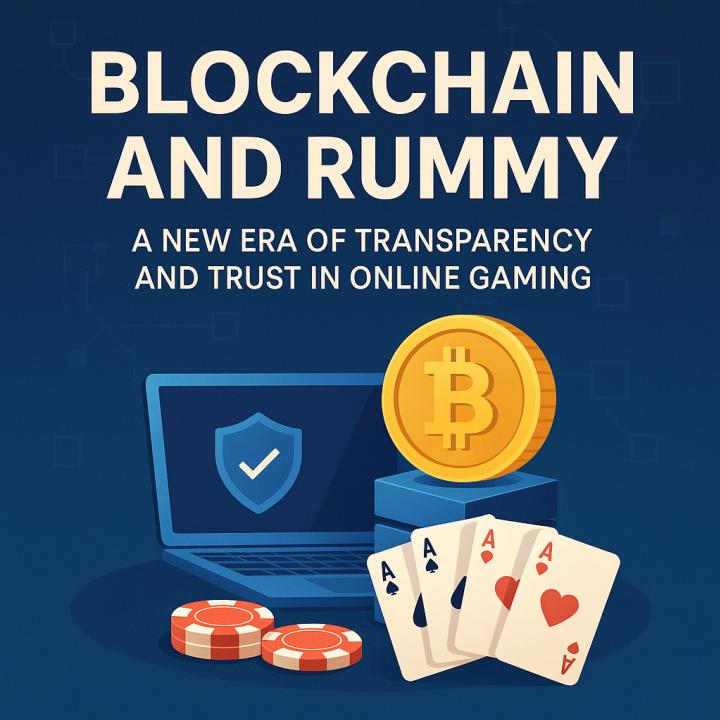
In the fast-evolving digital world, the convergence of blockchain technology and online gaming has ushered in a new era of transparency, trust, and fairness. One of the most notable beneficiaries of this technological shift is the classic card game—rummy. Long popular across India and the world, rummy has seamlessly transitioned into the digital landscape, and now with the advent of blockchain, it is undergoing yet another revolutionary transformation. This integration is not only reshaping the way the game is played but also redefining user trust and platform integrity.
India, a booming market for online gaming, has seen an exponential rise in the number of players engaging in rummy through digital platforms. With this surge comes a growing demand for more secure and transparent gaming systems. This is where blockchain steps in—providing tamper-proof, decentralized systems that ensure fair play, transparency in transactions, and a higher level of player trust.
For any leading Rummy Game Development Company in India, the focus is now on leveraging blockchain technology to deliver superior gaming experiences. Let’s delve deeper into how blockchain is reshaping the rummy gaming ecosystem and how players, developers, and businesses stand to benefit.
The Rise of Online Rummy in India
Rummy has always enjoyed a special place in Indian households, especially during festivals and social gatherings. The digital adaptation of the game has made it accessible to millions across smartphones and desktops, leading to a significant boom in the gaming sector.
Online rummy offers flexibility, real-time multiplayer options, and the chance to win rewards, all from the comfort of home. This growing popularity has also led to a spike in the demand for high-quality rummy platforms, driving innovation among Rummy Game Developers and Rummy Game App Development companies.
Challenges in Traditional Online Rummy Platforms
Despite its popularity, traditional online rummy platforms are not without challenges. Issues such as data breaches, manipulation of game outcomes, lack of transparency in payouts, and unfair gameplay have plagued the industry. These concerns have often caused players to lose trust in the platforms.
This is where blockchain proves to be a game-changer. By embedding transparency, decentralization, and immutability into the platform's core architecture, blockchain addresses all these issues head-on.
Understanding Blockchain Technology
At its core, blockchain is a decentralized digital ledger that records transactions across a network of computers. Once data is recorded, it cannot be altered retroactively without altering all subsequent blocks—making it highly secure and trustworthy.
In the context of gaming, blockchain ensures that every action—be it a move in a game, a transaction, or a payout—is recorded transparently and permanently. This eliminates the possibility of manipulation and fosters a fair gaming environment.
Benefits of Blockchain in Rummy Game Development
Enhanced Transparency
Blockchain ensures every move in a rummy game is traceable and verifiable. This builds trust among players as they can verify game results themselves without relying solely on the platform.
Improved Security
With decentralized architecture, sensitive user data and financial information are not stored on a single server, reducing vulnerability to hacks and data breaches.
Fair Play Assurance
Smart contracts—self-executing codes on the blockchain—ensure that rules are followed strictly. This eliminates the possibility of backend manipulation or favoritism.
Instant and Transparent Transactions
Blockchain enables real-time transactions that are secure and recorded immutably. Players can see every credit and debit on the platform’s blockchain ledger.
User Trust and Retention
When players feel secure and believe in the fairness of the platform, they are more likely to stay loyal and recommend the platform to others. This is invaluable for any rummy app development company.
Smart Contracts and Automated Gameplay
Smart contracts are integral to blockchain-based rummy platforms. These are programmable contracts that execute predefined rules automatically when certain conditions are met. In a rummy game, smart contracts can handle everything—from card distribution and move validation to winner declaration and prize distribution.
This not only reduces the need for manual oversight but also minimizes human errors, ensuring a fair and seamless gaming experience.
Role of Rummy Game Developers in Blockchain Integration
The integration of blockchain requires specialized knowledge and skills. A skilled rummy app developer must understand not only traditional game mechanics but also the intricacies of blockchain networks, smart contracts, and security protocols.
Rummy Game Developers today are expected to be more than just coders—they are architects of secure, transparent, and scalable gaming ecosystems. Their role is pivotal in implementing blockchain effectively to ensure that both players and business owners benefit from the technology.
How Blockchain Drives Business Growth for Rummy Platforms
For entrepreneurs and companies looking to enter the rummy gaming industry, blockchain offers a unique competitive advantage. It adds a layer of credibility that traditional platforms often lack. Businesses offering blockchain-based rummy can highlight transparency and fairness as key USPs (Unique Selling Propositions), attracting a broader and more loyal user base.
Moreover, platforms that adopt blockchain early are likely to establish themselves as industry leaders, attracting more players, advertisers, and investors.
Choosing the Right Rummy Game Development Company in India
India is home to a large number of tech-savvy developers and companies specializing in Rummy Game Development. When selecting a partner for blockchain-enabled rummy app development, businesses should look for:
- Proven experience in both rummy game logic and blockchain integration
- A strong portfolio of successfully launched rummy apps
- A team of expert Rummy Game Developers and blockchain engineers
- Scalable architecture for future upgrades and expansions
- Transparent pricing and excellent post-launch support
- Choosing the right Rummy Game Development Company in India can significantly influence the success of a blockchain-based gaming platform.
Custom Rummy Game Development Services and Features
Rummy Game Development Services have evolved to offer highly customizable solutions. With blockchain in the picture, these services now include:
- Blockchain architecture integration
- Custom smart contract development
- Provably fair game mechanisms
- Secure cryptocurrency payment gateway integration
- Decentralized user authentication
- Real-time leaderboard and score verification
- Cross-platform functionality (iOS, Android, Web)
- These features enhance user engagement, improve security, and offer a seamless user experience that aligns with modern gaming expectations.
The Future of Rummy App Development with Blockchain
As Web3 and blockchain technologies continue to mature, the future of rummy app development is bound to see even more innovations. Integration with NFTs (non-fungible tokens) could allow users to own unique card decks or avatars. Decentralized Autonomous Organizations (DAOs) could let players vote on platform rules and updates, creating a truly user-governed platform.
With evolving technologies, the role of a rummy app development company becomes increasingly vital. They are not just service providers but strategic partners in helping businesses navigate this new digital frontier.
Monetization Models in Blockchain-Based Rummy
Blockchain also brings new monetization avenues for rummy platforms:
- Token-based economies where users earn tokens for playing and can trade them
- NFT-based rewards for exclusive tournaments
- Crypto deposits and withdrawals, appealing to the growing crypto-savvy audience
- Referral and loyalty rewards with on-chain tracking
- These models can significantly boost platform revenue and player retention when implemented effectively.
Legal and Regulatory Landscape in India
India’s regulatory framework for both online gaming and blockchain is still evolving. While skill-based games like rummy are generally legal in most Indian states, the integration of cryptocurrencies may bring additional scrutiny.
It’s crucial for any rummy app development company to stay updated with the latest legal developments and ensure that their platforms are compliant with local and national regulations.
Player Education and Onboarding
Introducing blockchain into gaming may pose a learning curve for traditional users. This makes onboarding features critical. Clear tutorials, transparent transaction logs, and intuitive user interfaces can ease the transition for players unfamiliar with blockchain.
Rummy Game Developers must focus on user-centric designs that simplify complex technologies without compromising on functionality.
Case Studies: Successful Blockchain Rummy Platforms
Several startups and established firms are already launching blockchain-based rummy apps in India and globally. These platforms are seeing higher engagement rates, fewer disputes, and stronger community loyalty—thanks to the transparency and immutability of blockchain technology.
Such case studies reinforce the potential of blockchain as a revolutionary tool for Rummy Game App Development.
Conclusion: A Transparent Future for Rummy Gaming
Blockchain is not just a buzzword—it’s a transformative force in the online gaming industry. For rummy, a game deeply rooted in Indian culture, the integration of blockchain brings a much-needed layer of trust and fairness.
As more players seek secure and transparent gaming platforms, businesses must evolve by adopting cutting-edge technologies. Partnering with an experienced Rummy Game Development Company in India ensures that you stay ahead of the curve, offering innovative and reliable gaming solutions.
Whether you're a startup looking to enter the market or an established brand aiming to upgrade your platform, blockchain is the key to unlocking the next level of success in rummy game development. From secure transactions and provable fairness to player ownership and decentralized governance, the future is here—and it’s transparent.