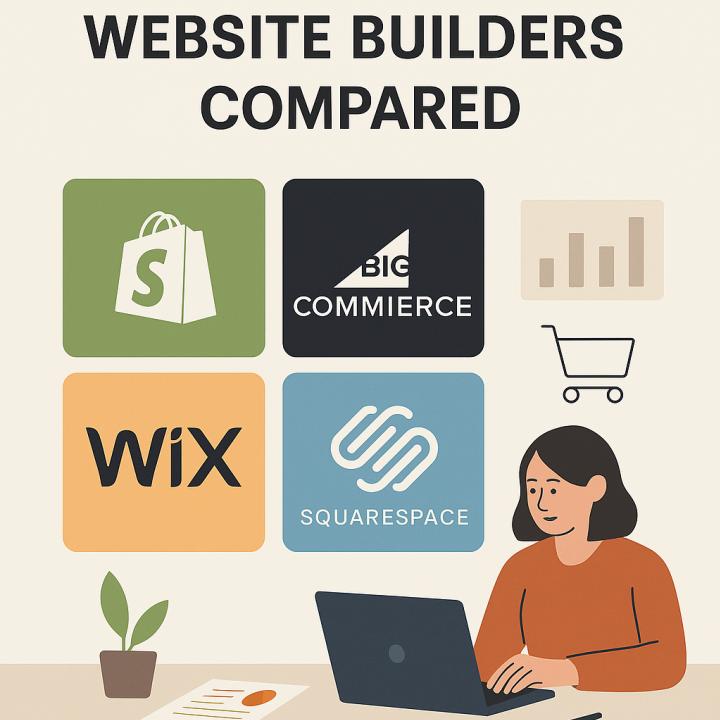
Choosing the right e-commerce website builder is a critical step for anyone looking to launch or grow an online store. The ideal platform should offer a balance of design flexibility, robust features, scalability, and ease of use. But with so many options—Shopify, BigCommerce, Wix, Squarespace, WooCommerce, and more—it can be difficult to know which one fits your business needs best.
In this comprehensive comparison, we’ll break down the top e-commerce website builders, highlighting their pros, cons, features, and ideal use cases.
1. Shopify: The Industry Leader in E-Commerce
Overview: Shopify is one of the most popular e-commerce platforms in the world, powering millions of stores globally. It's designed exclusively for online selling and is packed with powerful features that work for beginners and large enterprises alike. For the best services, check out Wix Customer Service Number
Pros:
Built specifically for e-commerce
Easy-to-use interface and store setup
Huge app ecosystem and third-party integrations
Excellent mobile responsiveness
24/7 customer support
Cons:
Monthly fees add up, especially with apps
Limited design flexibility compared to others
Transaction fees unless you use Shopify Payments
Best For: Small to medium-sized businesses and serious e-commerce entrepreneurs looking for scalability and reliability.
2. BigCommerce: Powerful & Scalable for Growing Businesses
Overview: BigCommerce is another dedicated e-commerce platform aimed at businesses ready to scale. With more built-in features than Shopify, it minimizes your reliance on apps and plugins.
Pros:
No transaction fees on any plan
Robust built-in features (SEO, analytics, multi-channel selling)
Supports multiple currencies and payment gateways
Scalable for larger operations
Cons:
Steeper learning curve for beginners
Annual sales thresholds force you to upgrade plans
Fewer free templates
Best For: Established businesses or high-growth startups needing advanced e-commerce features out of the box. HostingSeekers is the ideal platform to find top-rated dedicated server hosting providers.
3. Wix eCommerce: A Website Builder That Does E-Commerce
Overview: Wix started as a general website builder but has added strong e-commerce capabilities over the years. It’s ideal for users who want full design control with moderate online selling features.
Pros:
Drag-and-drop design freedom
Great for visual and creative layouts
Affordable pricing
Excellent Wix customer service for support
Cons:
Limited inventory and tax settings for large-scale stores
Slower load times with complex designs
Less advanced e-commerce analytics than Shopify or BigCommerce
Best For: Small shops, creative sellers, and those prioritizing design and branding.
4. Squarespace Commerce: Stylish Design Meets E-Commerce
Overview: Known for its visually appealing templates, Squarespace is popular among artists, designers, and life>
Pros:
Beautiful, responsive templates
Built-in email marketing and blogging tools
Seamless integration with third-party tools
All-in-one pricing (no apps required)
Cons:
Limited payment gateway options (Stripe, PayPal only)
Basic inventory and shipping options
Not ideal for scaling large product catalogs
Best For: Design-focused businesses and creatives selling digital or physical products in small volumes.
5. WooCommerce: The Flexible WordPress Option
Overview: WooCommerce is a free WordPress plugin that turns your site into a fully functional online store. It’s highly customizable but requires some technical knowledge and hosting setup.
Pros:
Completely customizable and open-source
Thousands of plugins and themes
Great for SEO (via WordPress)
No platform-specific restrictions
Cons:
Requires separate hosting and maintenance
Not beginner-friendly
Performance depends on your hosting quality
Best For: Developers or technically savvy business owners who want full control and scalability.
Quick Comparison Table
FeatureShopifyBigCommerceWixSquarespaceWooCommerceEase of
Use⭐⭐⭐⭐⭐⭐⭐⭐⭐⭐⭐⭐⭐⭐⭐⭐⭐
Design Flexibility⭐⭐⭐⭐⭐⭐⭐⭐⭐⭐⭐⭐⭐⭐⭐⭐⭐⭐
Built-in Features⭐⭐⭐⭐⭐⭐⭐⭐⭐⭐⭐⭐⭐⭐
SEO Tools⭐⭐⭐⭐⭐⭐⭐⭐⭐⭐⭐⭐⭐⭐⭐
E-Commerce Focus⭐⭐⭐⭐⭐⭐⭐⭐⭐⭐⭐⭐⭐⭐⭐⭐
Support Quality⭐⭐⭐⭐⭐⭐⭐⭐⭐⭐⭐⭐⭐⭐⭐⭐⭐
Scalability⭐⭐⭐⭐⭐⭐⭐⭐⭐⭐⭐⭐⭐⭐⭐⭐
Final Thoughts: Which One Should You Choose?
Choose Shopify if you want a hassle-free, all-in-one e-commerce solution with excellent support and scalability.
Go with BigCommerce if you want powerful features built in and plan to grow aggressively.
Pick Wix if design freedom and ease of use are your priorities, especially for smaller shops.
Use Squarespace if your brand is design-heavy and you’re selling a curated set of products.
Opt for WooCommerce if you’re comfortable managing a WordPress site and want full control.
The best e-commerce website builder depends on your business size, budget, and technical ability. Try free trials, explore templates, and evaluate features based on what matters most for your store.