
As the processes involved in software development undergo constant evolution, the importance of integrating strong tools for automation and security improves workflow becomes critical. One such integration is developed between Casibom GitLab to improve particular aspects of advanced DevOps with respect to effective management of Software Bills of Materials (SBOM).
What is Casibom?
Through Casibom GitLab, users can create and manage Software Bills of Materials (SBOMs), which detail the inner workings of software applications as well as the components used, providing insight into the interrelationships of the software's contents. For compliance purposes, protecting software supply chains and preserving software systems' integrity, SBOMs are vital in pinpointing possible insecurities.
The Role of GitLab in DevOps
Casibom GitLab is an all-in-one DevOps platform that includes features for source code management, continuous integration/continuous deployment (CI/CD), and security. GitLab’s powerful features help in the development of processes and collaboration among team members.
Integrating Casibom with GitLab
With GitLab, automated SBOM generation is possible in the CI/CD pipelines through Casibom integration. The development lifecycle of the software receives an improvement through:
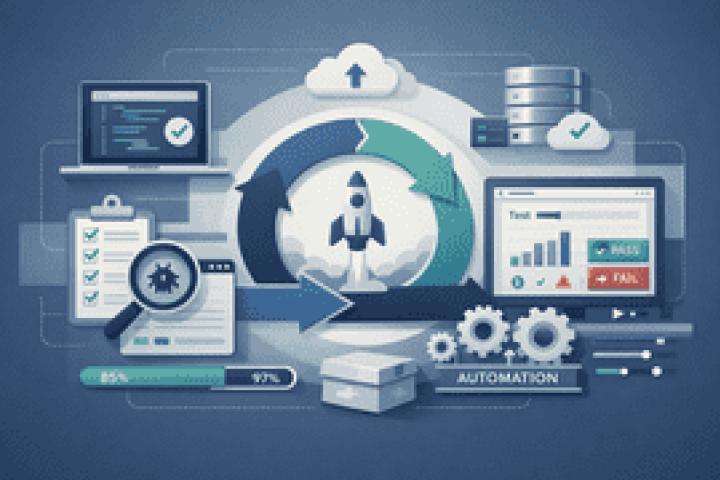
Automated SBOM Generation: During the Stages of CI/CD, the automation of generating SBOMs captures the documentation of software components with precision and provides real-time updates.
Enhanced Security: Comprehensive, detailed SBOMs allow teams to promptly defend software supply chains from exposed and hidden threats by identifying detected gaps and fixing vulnerabilities.
Compliance and Transparency: Industry standards and regulations can be met using SBOMs, which, in turn, bring transparency regarding the composition of the software.
Benefits of the Casibom and GitLab Integration
Also, Streamlined Development Processes: Automating the SBOM generation in the CI/CD pipelines reduces manual work and effort, enabling faster development cycles.
Enhanced Collaboration: Developers, security analysts, and compliance officers had better working relationships with each other due to centralized SBOM management.
Risk Reduction: The detailed SBOMs greatly reduced potential security risks by actively identifying and resolving vulnerabilities that might have otherwise gone unnoticed.
Conclusion
The merging of Casibom GitLab stands out as a noteworthy development in contemporary DevOps workflows. With SBOM automation and improved security protocols, businesses attain greater operational efficiency, visibility, and security throughout the software development lifecycle. Automation enhances not just productivity but also software supply chain resilience against exposure to risks.