1. Introduction: Why This Collaboration Matters Now
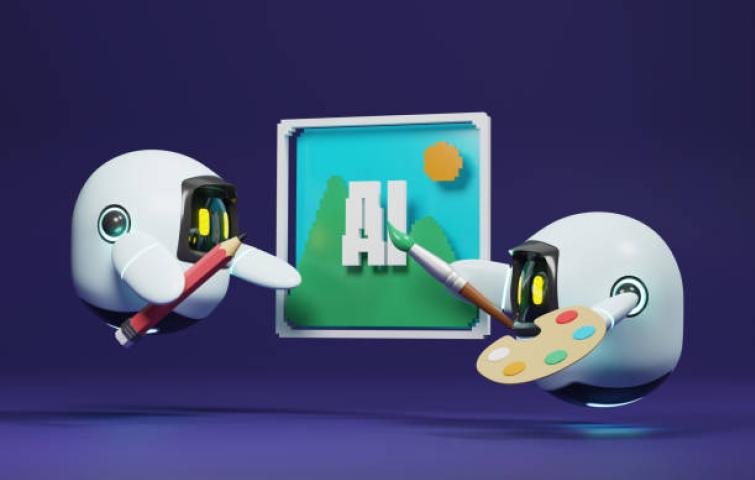
The digital landscape is evolving faster than ever. Content is no longer just words on a page—it’s strategy, visibility, storytelling, and performance. And in this rapid evolution, Artificial Intelligence has made its mark. But rather than replacing content creators, AI has begun to act as an intelligent co-pilot.
Writers, marketers, and editors are no longer asking, “Will AI take over our jobs?” The more relevant question is: “How can we work with it to create better, smarter content at scale?”
This collaborative model—where human creativity meets machine intelligence—is not a trend. It’s the future of content.
2. The Rise of AI in Content: Tool, Not Replacement
The idea of AI writing content without human input made headlines, but the reality is more nuanced. AI tools like ChatGPT, Claude, and Jasper can generate coherent paragraphs, summarize research, or rewrite for clarity. But that’s only half the job.
AI handles speed and volume, but lacks personal insight, emotional intelligence, and nuance. It doesn’t understand brand tone or audience sensitivity unless guided.
Today, AI acts as a powerful assistant—automating routine tasks like keyword grouping, topic clustering, grammar checks, and even SEO recommendations. It frees creators to focus on strategy, originality, and storytelling. But without human oversight, AI-generated content can easily become generic, misleading, or repetitive.
The best results come when human judgment leads, and AI follows.
3. Human Strengths That AI Still Can’t Replicate
Machines can mimic structure and logic, but they lack the lived experience that makes content meaningful.
Great content requires empathy. It understands what the audience feels, fears, or aspires to. It uses tone appropriately, adds cultural nuance, and builds trust. These are inherently human skills.
Think about humor, metaphor, personal anecdotes, or positioning a message to match a brand’s voice. AI tools might try—but they often miss the mark. They don’t understand sarcasm, subtext, or historical relevance unless told explicitly. And even then, the output lacks depth.
Humans also know when to break the rules. Sometimes, the best sentence is the one that defies SEO structure. The beauty of writing lies in voice, rhythm, and clarity—elements that can’t be engineered through prompts alone.
4. Where AI Truly Excels: Speed, Scale, and Search
That said, AI’s strengths are undeniable—and when used intentionally, they’re a major advantage.
AI is exceptional at processing large data sets. For content creators, that means faster research, trend identification, and SERP analysis. You can scan thousands of top-ranking pages, extract keyword intent, and identify content gaps in minutes.
AI also assists with:
-
Generating content outlines based on search patterns
-
Providing SEO insights like ideal word count or header structures
-
Identifying related queries and clustering semantic keywords
In short, AI removes the grunt work. It gives human creators more room to strategize and refine. This division of labor allows teams to produce high-quality content consistently—without burnout or bottlenecks.
5. Building a Seamless Workflow: Human-AI Collaboration Model
Success with AI isn’t about delegation. It’s about partnership. Here’s how high-performing teams typically structure their collaborative workflow:
Step 1: Ideation & Research (Human-led, AI-assisted)
Humans decide the topic and angle based on goals. AI tools assist in gathering SERP data, relevant keywords, and competitor gaps.
Step 2: Drafting Outline (AI-assisted, Human-supervised)
Tools like Frase or Scalenut suggest structures based on top-ranking content. Writers refine it to match brand tone and audience needs.
Step 3: First Draft (Human-led, AI-supported)
Writers create the first draft with optional AI assistance on certain sections (e.g., FAQs, summaries). Human voice leads the narrative.
Step 4: SEO Optimization (AI-suggested, Human-reviewed)
Tools recommend on-page improvements. Humans approve or adjust based on strategy.
Step 5: Final Edits & QA (Human only)
The last step ensures the final version aligns with quality standards, brand tone, and purpose.
This workflow ensures AI adds efficiency—without compromising authenticity.
6. Strategic Use of AI in SEO-Centric Content Creation
One of the most practical applications of AI is in SEO. While it doesn’t replace human insight, it provides clear, actionable suggestions that speed up execution.
AI tools help content writers:
-
Identify high-intent keywords
-
Structure articles with search-friendly headers
-
Suggest internal link opportunities
-
Predict content performance based on past SERPs
For instance, tools like Surfer or MarketMuse analyze top results to recommend keyword density, related topics, and readability scores.
Many content creators now rely on AI-powered platforms to simplify tasks like keyword research, topic clustering, and on-page optimization. Tools that suggest real-time SEO improvements, content scoring, and internal linking recommendations are becoming essential for modern workflows. If you're looking for a detailed breakdown of such tools and how they actually support writers in ranking better, this guide AI tools for SEO covers everything you need to know—without the fluff.
7. Quality Control: How to Ensure EEAT and Authenticity
Google’s Helpful Content Update has made one thing clear: people-first content wins. That means originality, accuracy, and expertise matter more than ever.
To ensure your human-AI collaboration meets EEAT (Expertise, Experience, Authoritativeness, Trustworthiness):
-
Avoid publishing AI-generated drafts without editing
-
Add personal commentary or insights only a human can provide
-
Cite sources when referencing data or research
-
Use consistent tone and formatting aligned with your brand
Most importantly, content should feel like it’s written by someone who knows the topic—because it is.
8. Case Studies: Brands Winning with Human-AI Teams
Many successful companies now use AI as part of their editorial stack—not to cut costs, but to improve content velocity and precision.
Case 1: A Digital News Platform
A leading news outlet uses AI to summarize press releases and suggest headlines, which human editors then rewrite or verify. This allows them to publish updates faster—without losing credibility.
Case 2: Content Marketing Agency
A B2B agency uses AI to handle topic clustering and keyword strategy. Writers then develop custom angles, interviews, and commentary. The results? More content per month, higher rankings, and stronger engagement.
These examples prove that success lies in balance—not automation.
9. Challenges and Ethical Red Flags
As with any technology, AI brings challenges. Bias in training data, outdated information, and hallucinated facts are common. And when teams over-rely on AI, content becomes repetitive or misaligned.
Key risks include:
-
Publishing factually incorrect or misleading information
-
Violating copyright by unintentionally replicating phrasing
-
Losing brand uniqueness due to generic AI tones
To avoid these, implement a human review loop. Every AI-assisted piece should go through human editing, fact-checking, and tone alignment. If the reader can’t tell it was AI-assisted, you’ve done it right.
10. Future Outlook: How the Collaboration Will Evolve
AI is evolving rapidly. Soon, we’ll see more personalized models trained on brand data, editorial >
But the core of content success will remain human. Writers who can adapt—by learning prompt engineering, using tools smartly, and maintaining their creative edge—will be in high demand.
The future belongs to hybrid professionals: writers who understand data, and marketers who can craft stories. AI won’t replace them—it will enhance their impact.
11. Conclusion: Human Creativity with AI Speed Is the Future
Content creation is no longer an either/or debate between humans and machines. It’s a strategic alliance. AI brings speed, structure, and insights. Humans bring purpose, emotion, and vision.
Those who learn to collaborate—not compete—with AI will be the ones creating content that not only ranks, but resonates.
The future isn’t AI-written. It’s AI-assisted and human-approved.