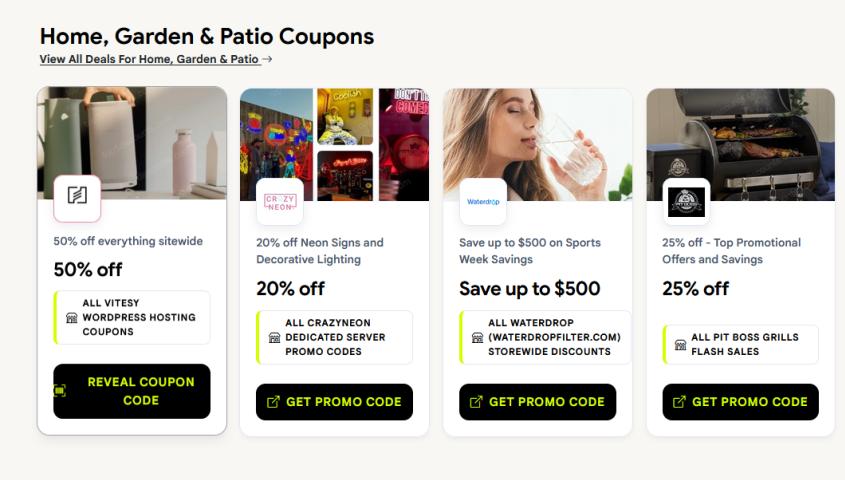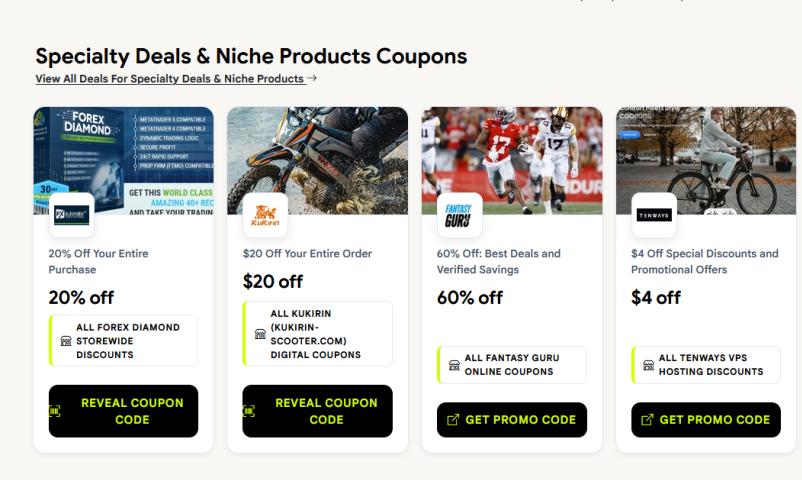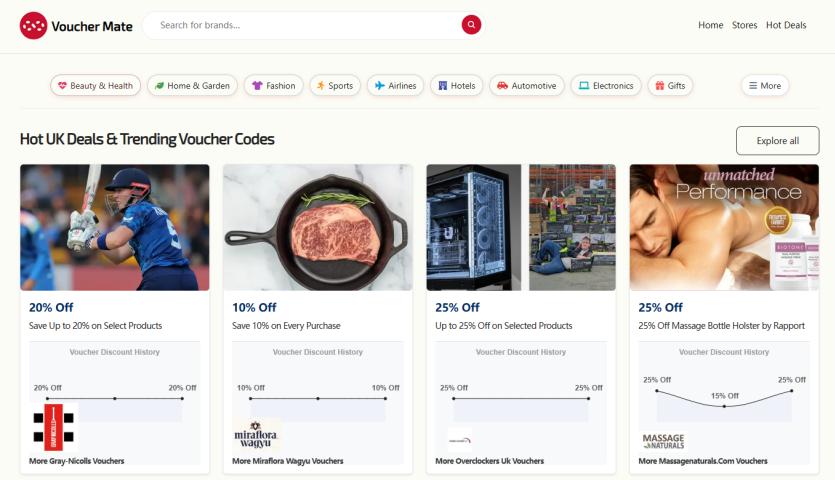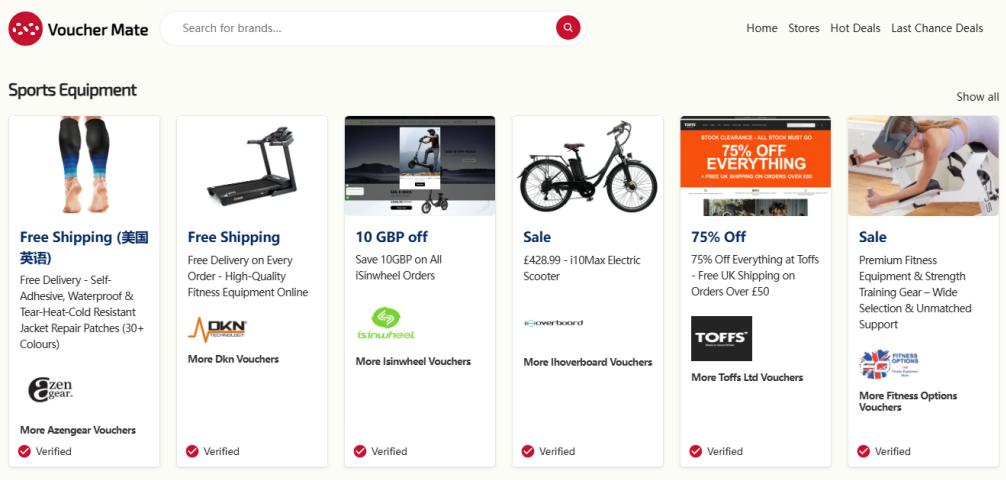

In today’s digital shopping era, coupon websites have become the go-to resource for consumers seeking discounts and deals. For example, Everydaydiscount.com provides promo codes, special offers, and savings opportunities across various products and services. If you’re inspired to create your own coupon website, Blogger.com—a free blogging platform owned by Google—is a simple and beginner-friendly option. This article will guide you through the process of launching a coupon website on Blogger.com and explain why it’s a worthwhile project.
Steps to Create a Coupon Website on Blogger.com
Building a coupon website on Blogger.com is straightforward and doesn’t require advanced technical skills. Follow these steps to get started:
- Set Up Your Blog
Visit Blogger.com and sign up for a free account using your Google credentials. Choose an attractive and SEO-friendly name for your blog, such as “CouponCatch” or “DailyDeal Hub.” A relevant name can improve your blog’s visibility in search results. - Choose a Niche
Decide whether to focus on a specific niche (like travel, fashion, or tech) or offer a variety of deals. Research popular areas based on market demand—for instance, grocery and apparel coupons are consistently popular. - Design Your Website
Select a clean, mobile-responsive template from Blogger’s gallery. With over a billion mobile coupon users worldwide, a mobile-friendly design is essential. Customize the template using Blogger’s HTML and CSS options to achieve a professional look. - Create Engaging Content
Write posts that include coupon codes, expiration dates, terms of use, and affiliate links. Ensure each post is practical and engaging—for example: “Enjoy 15% Off Your Next Fashion Purchase with This Code (Valid Until December 31, 2024).” High-quality content will encourage repeat visits. - Source Coupon Codes
Join affiliate programs like Amazon Associates or ShareASale to access deals and earn commissions. Since Blogger doesn’t support plugins, use tools like Google Sheets to manually manage your coupons. - Monetize Your Blog
Earn commissions through affiliate links (typically 2-10% per sale). You can also integrate Google AdSense for ad revenue, though affiliate commissions will likely be your main income source. - Promote Your Blog
Share deals on social media platforms like Pinterest and Facebook to attract an audience. Optimize your posts with keywords like “discount codes” or “best deals” for SEO, and consider collaborating with influencers to expand your reach. - Keep Content Updated
Regularly post new deals and remove expired coupons. Outdated content can erode trust, so staying current is crucial for retaining users.
Why It’s Worth It
Creating a coupon website on Blogger.com offers several advantages, making it an appealing project for entrepreneurs and hobbyists alike:
- Zero Startup Costs
Blogger.com is completely free, with no hosting or domain fees. This reduces financial risk, making it ideal for beginners. - Passive Income Potential
Once your website is up and running, it can generate income around the clock through affiliate links. With growing traffic, it becomes a low-maintenance revenue stream, similar to top coupon sites like Everydaydiscount.com. - Huge Market Demand
Coupon websites are highly popular, with millions of users seeking savings online. Digital coupons save shoppers hundreds of dollars annually—$316 on groceries alone—ensuring a steady audience. - Room for Growth
Start small and gradually expand by adding more niches or partnering with additional retailers. This flexibility allows you to increase revenue as your site develops. - Value for Users
Helping people save money builds loyalty. A reliable source of deals can turn one-time visitors into regular readers. - Skill Development
Running a coupon website hones your SEO, digital marketing, and content creation skills, which are transferable to future projects.
Challenges to Be Aware Of
While the rewards are significant, there are challenges to navigate:
- Manual Management
Since Blogger doesn’t support plugins, updating and organizing coupons can be time-consuming. A systematic approach, such as using spreadsheets, is essential. - Competitive Landscape
The coupon market is crowded, with giants like RetailMeNot dominating. Stand out by offering unique content or focusing on a specific niche. - Content Maintenance
Expired coupons frustrate users, so diligent updates are critical to maintaining your site’s credibility.
Inspiration from Successful Examples
Look to successful coupon websites for inspiration:
- Everydaydiscount.com: Offers deals across electronics, fashion, travel, and more, serving as an example of diverse coupon content.
- RetailMeNot: With millions of monthly visitors, it thrives on affiliate revenue and ads.
- KrazyCouponLady: Combines coupons with life>
- Hip2Save: Engages users with interactive features and giveaways, blending multiple monetization strategies.
Conclusion
Creating a coupon website like Everydaydiscount.com on Blogger.com is a feasible and potentially lucrative project. The platform’s free access, ease of use, and income opportunities make it an ideal starting point, while the high demand for deals ensures a ready audience. Although it requires effort—such as manually managing coupons and competing with established sites—the rewards are worth it: a low-cost, scalable website that saves users money and generates income for you. Follow these steps, stay consistent, and you can build a thriving coupon hub that benefits both you and your readers.