
Let’s imagine a country where every village has clean roads, accessible health care, reliable electricity, fast internet, good schools, and thriving local businesses. That’s not a dream it’s the goal of rural development.
Rural
development is all about improving the quality of life and economic well-being
of people living in relatively isolated and sparsely populated areas. With over
60% of India's population residing in villages, empowering rural development is
not optional it’s essential for national progress.
Key Pillars of
Sustainable Rural Development
Infrastructure Development
Roads,
electricity, clean drinking water, and housing these are the bare necessities
that unlock access to education, markets, and medical care. Without
infrastructure, no rural economy can flourish.
Access to Quality Education
Education
empowers. It opens minds, builds skills, and lays the foundation for progress.
Rural schools need trained teachers, modern facilities, and digital tools to
match the education standards of urban areas.
Healthcare Facilities
A
healthy population is a productive population. Rural India struggles with poor
medical infrastructure. The solution? Telemedicine, mobile clinics, and
better-equipped primary health centers.
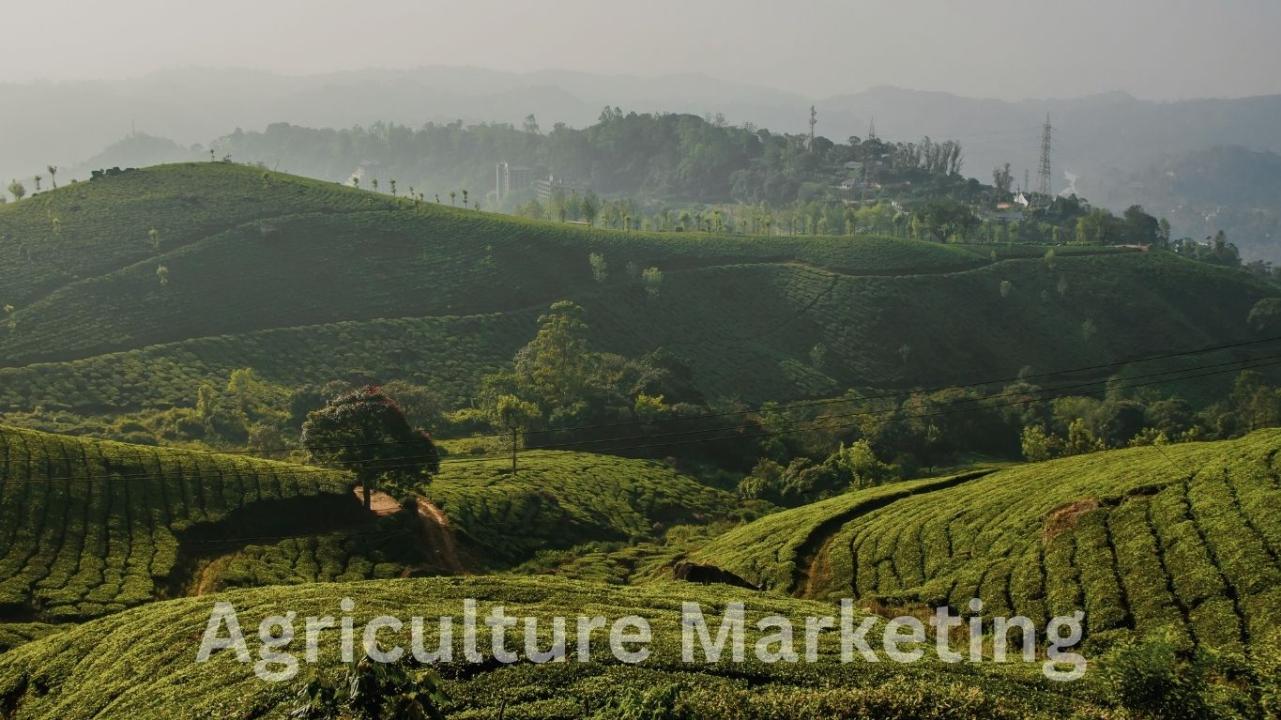
Sustainable Agriculture
Most
rural livelihoods still depend on agriculture marketing . Promoting sustainable farming
techniques, organic practices, and fair pricing ensures food security and
farmer prosperity.
Role
of Technology in Rural Development
Digital Inclusion and Internet Access
The
digital divide is real but shrinking. With initiatives like BharatNet, internet
access is reaching remote villages, enabling everything from online education
to e-commerce.
Mobile Banking and Fintech
Fintech
apps and mobile banking services have revolutionized financial inclusion.
Farmers can now get loans, subsidies, and insurance all through a smartphone.
E-Governance and Citizen Services
Gone
are the days of endless queues and paperwork. E-governance portals allow rural
citizens to access services like ration cards, pensions, and land records
easily and transparently.
Promoting
Entrepreneurship and Job Creation
Skill Development and Vocational Training
Youth
in rural areas need more than just academic knowledge—they need skills. Skill
development centers and ITIs provide training in trades like plumbing,
tailoring, carpentry, and digital services.
Micro, Small, and Medium Enterprises (MSMEs)
From
food processing to handloom weaving, MSMEs offer rural youth a chance to become
job creators, not just job seekers.
Women Empowerment and Self-Help Groups
Self-help
groups (SHGs) are changing lives. Women are coming together to save money,
start businesses, and support each other economically and socially.
Environmental Sustainability in Rural Areas
Renewable Energy Adoption
Solar
panels on rooftops, biomass plants in villages, and small wind
turbines—renewable energy is making villages energy-sufficient and
eco-friendly.
Water Conservation and Management
Rainwater
harvesting, watershed development, and check dams are crucial in water-scarce
regions to ensure water security for agriculture and daily life.
Waste Management and Sanitation
Swachh
Bharat Abhiyan was a step forward—but sustainable systems for waste
segregation, recycling, and biogas production are the need of the hour.
Role of Government
and Policies
Flagship Government Schemes
- MGNREGA: Provides guaranteed employment and builds rural assets.
- PMGSY: Connects villages through all-weather roads.
- NRLM: Encourages self-employment and skill-building among
women.
Public-Private Partnerships (PPP)
Collaborations
with private entities for infrastructure, training, and technology have
accelerated development while ensuring quality and efficiency.
Decentralization and Local Governance (Panchayati Raj)
Empowering
gram panchayats to take local decisions ensures that development is
participatory, context-specific, and inclusive.
Community
Participation and Social Inclusion
Role of NGOs and Cooperatives
Non-government
organizations bring innovation, funding, and grassroots connection.
Cooperatives like dairy or seed cooperatives empower farmers through collective
action.
Inclusion of Marginalized Groups
Rural
development must include tribal populations, landless laborers, and
differently-abled individuals, ensuring no one is left behind.
Strengthening Social Capital
Building
trust, collaboration, and networks within communities helps in quicker,
sustainable adoption of development initiatives.
Challenges in Rural Development
- Poverty and Unemployment: Limited job opportunities often lead to persistent
poverty cycles.
- Migration to Urban Areas: Due to lack of facilities and work, youth leave
villages, leading to urban crowding and rural decline.
- Infrastructure Gaps: Even today, many villages lack proper roads, clean
water, or basic healthcare.
Success Stories from Rural India
Model Villages and Digital Villages
Villages
like Punsari in Gujarat or Dharnai in Bihar have been transformed through
integrated development models and technology use.
Case Study: Ralegan Siddhi, Maharashtra
Led
by Anna Hazare, this drought-prone village became a model for watershed
management, afforestation, and community mobilization.
Case Study: Hiware Bazar, Maharashtra
From
poverty to prosperity this village implemented water conservation, banned
alcohol, and promoted community farming to achieve 100% employment.
The Road Ahead
Integrated Rural Development Models
Instead
of fragmented efforts, we need holistic models combining education, healthcare,
employment, and environment.
Innovation and Research in Rural Economy
Startups
focusing on agritech, rural fintech, and climate-resilient models can drive
disruptive change in rural sectors.
Importance of Sustainable Practices
Sustainability
ensures long-term prosperity. Renewable energy, organic farming, and
conservation practices are key to a balanced rural ecosystem.
Conclusion
Empowering
rural development isn't just about building roads or providing subsidies—it’s
about creating opportunity. It means giving rural citizens the tools,
knowledge, and support they need to lead dignified, prosperous lives. A
sustainable future for India lies not just in its cities but in the hearts of
its villages. Let’s empower them—because when villages rise, the nation rises.
FAQs
1.
What is rural development in simple terms?
Ans. Rural development refers to efforts to improve the quality
of life and economic well-being in rural areas through infrastructure,
education, healthcare, and employment.
2.
How can technology support rural development?
Ans. Technology enables better access to education, healthcare,
financial services, and markets through internet, mobile apps, and digital
platforms.
3.
What is the role of women in rural development?
Ans. Women are key contributors through agriculture, self-help
groups, and cottage industries. Empowering them boosts overall community
development.
4.
Why is rural infrastructure important?
Ans. It provides the foundation for accessing education, health
services, markets, and ensures mobility and communication, essential for
growth.
5.
What are some successful rural development models in India?
Ans. Ralegan Siddhi and Hiware Bazar in Maharashtra, and Punsari
in Gujarat are examples of villages transformed through community participation
and integrated development.