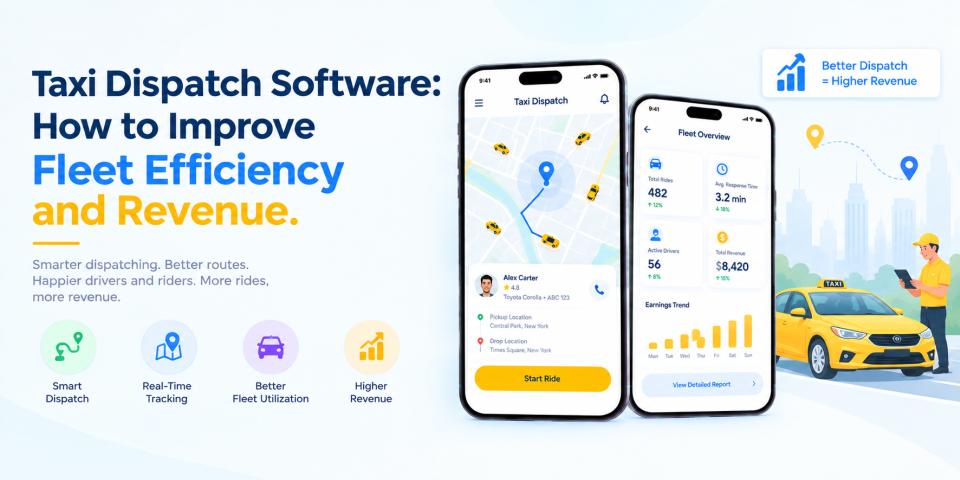

The U.S. transportation market is rapidly evolving, driven by rising demand for on-demand mobility and the growing digital-first preferences of consumers. Startups like Uber, Lyft, and Via have shown what’s possible — but there’s still room for innovation, niche services, and localized platforms. If you're looking to tap into this billion-dollar opportunity, building a taxi app like Uber for startup in the USA could be your next big move.
This guide will walk you through the essential steps to build, launch, and scale a successful taxi app business in the U.S.
1. Understand the U.S. Taxi App Market
Before jumping into development, take time to understand:
- Key players (Uber, Lyft, Curb, etc.)
- Consumer behavior (urban vs suburban demand, ride preferences, payment habits)
- Local regulations and compliance (each state/city may differ)
- Untapped segments (bike taxis, EV taxis, women-only rides, etc.)
Market research is your foundation.
2. Identify Your Unique Value Proposition (UVP)
Ask yourself:
- What sets your app apart?
- Are you offering faster response times? Lower rates? Specialized services?
- Are you focusing on a specific city or underserved area?
Your UVP helps you target the right audience and define your brand’s position in the market.
3. Define Core Features for Users & Drivers
Your app should have two interfaces, one for riders and one for drivers.
Here are some key features:
For Riders:
- Easy signup & profile creation
- Real-time GPS tracking
- Multiple payment options
- Ride scheduling
- Driver reviews and ratings
- SOS/emergency button
For Drivers:
- Route optimization
- Ride acceptance/rejection
- Earnings dashboard
- Trip history
- Availability toggle
A strong admin panel for monitoring operations, resolving disputes, and managing payments is also a must.
4. Choose the Right Tech Stack
Select technologies that ensure scalability, performance, and security:
- Frontend: React Native / Flutter (for cross-platform)
- Backend: Node.js / Django
- Database: PostgreSQL / MongoDB
- APIs: Google Maps API, Stripe/PayPal for payments, Twilio for OTP
- Hosting: AWS / Google Cloud
Partnering with a skilled development team ensures smoother execution.
5. Estimate Budget & Funding Needs
Taxi app development in the U.S. can cost anywhere from $10,000 to $50,000+, depending on complexity, features, and platform. Factor in:
- Development costs (MVP vs full product)
- Marketing and user acquisition
- Licensing, legal, and compliance
- Driver recruitment and training
- Server and maintenance costs
Consider bootstrapping, angel investors, or VCs based on your business model.
6. Plan a Smart Launch & Marketing Strategy
Start small, think big. Begin in one city or region, then scale up.
Key marketing strategies:
- Local partnerships with events, hotels, or communities
- Incentives for early users and driver sign-ups
- Social media advertising and app store optimization
- Influencer collaborations and PR outreach
- Loyalty/referral programs
7. Focus on Quality, Support & Scalability
- Monitor user feedback regularly
- Offer 24/7 customer support
- Continuously improve app features and performance
- Track KPIs like downloads, bookings, retention rate, and CAC (Customer Acquisition Cost)
Staying agile and responsive to market changes is vital for long-term growth.
8. Ensure Legal Compliance & Insurance
Each U.S. state or city may require:
- Vehicle inspections
- Background checks for drivers
- Commercial insurance coverage
- Business licenses
Work with a legal advisor to ensure you're covered and compliant from day one.
Final Words
Launching a taxi app startup in the USA is an exciting yet competitive journey. Success depends on solid planning, smart technology, market differentiation, and an unwavering focus on customer experience. Contact a leading taxi app development company in USA to build a powerful taxi app for your startup.