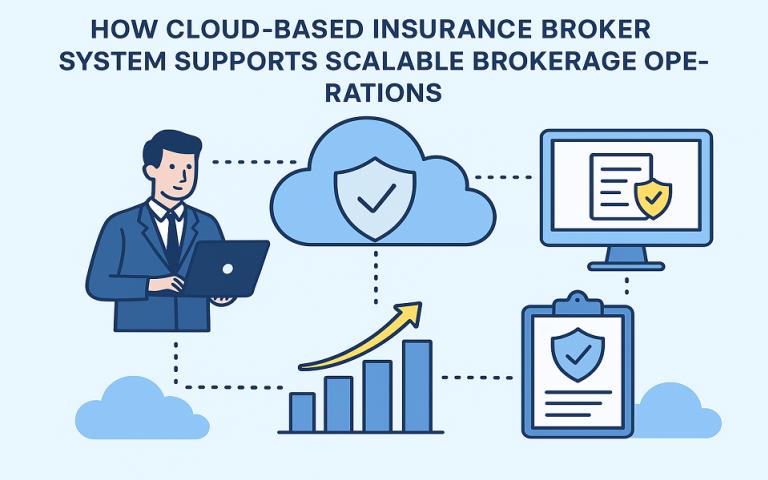
In the competitive real estate market of today, efficiency and data-driven decision making are no longer luxuries—they are necessities. As brokers strive to keep up with faster client demands, multiple communication channels, and complex sales pipelines, traditional methods such as spreadsheets or generic CRMs simply cannot keep pace. This is where broker management software comes into play, revolutionizing the way brokerages operate. In 2025, adopting the right technology isn’t just an upgrade—it’s a business imperative.
Defining Broker Management Software
Broker management software is a specialized tool designed specifically to help real estate brokerages manage their day-to-day operations efficiently. Unlike standard customer relationship management (CRM) systems, this software offers functionalities tailored to the real estate industry, including:
-
Lead Management: Capture, score, and distribute leads automatically.
-
Pipeline Tracking: Monitor every stage of a deal from initial inquiry to final closure.
-
Commission and Performance Tracking: Simplify complex financial calculations and agent performance analysis.
-
Document Management: Securely store and manage contracts, agreements, and important documents.
-
Collaboration Tools: Enable seamless communication among team members and across office locations.
By centralizing these processes, broker management software provides a single source of truth that minimizes errors, speeds up response times, and boosts conversion rates.
The 2025 Real Estate Landscape
Real estate is evolving. Buyers and sellers now expect digital-first experiences with instant communication, transparency, and streamlined transactions. In this fast-paced environment, brokers must adapt by leveraging technology that supports these demands. Here are a few factors driving change:
-
Increased Competition: With more players entering the market, every lead is precious. Brokers must optimize every step of the customer journey.
-
Evolving Client Expectations: Clients expect real-time updates and a seamless, end-to-end experience.
-
Data-Driven Decisions: Informed decisions based on accurate and immediate data can significantly enhance operational efficiency.
-
Remote Work Trends: With teams increasingly dispersed, cloud-based solutions that offer mobile accessibility have become essential.
It’s within this context that broker management software delivers tangible benefits, positioning itself as the linchpin of modern brokerage operations.
Key Benefits of Broker Management Software in 2025
1. Enhanced Lead Management
At the heart of every brokerage is a pipeline of leads. Broker management software automates lead capture from multiple channels—whether from a website inquiry, a social media campaign, or direct referrals—ensuring no potential client falls through the cracks. With AI-driven lead scoring and segmentation, brokers can prioritize high-potential leads and allocate resources effectively, ensuring that every opportunity is maximized.
2. Streamlined Sales Process
Time delays in deal closure can cost brokers dearly. With a centralized dashboard, broker management software provides real-time insights into every stage of the sales process. Automated workflows, such as appointment scheduling, follow-up reminders, and documentation requests, reduce manual intervention and streamline the path from inquiry to deal closure.
3. Improved Collaboration and Communication
In a busy brokerage, communication breakdowns can lead to lost deals. Integrated communication features ensure that all interactions—whether via email, phone, or messaging—are tracked and accessible to all team members. This unified communication enables quick handoffs between agents and managers, ensuring a consistent and professional client experience.
4. Accurate Reporting and Analytics
Data is power, and broker management software transforms raw data into actionable insights. Detailed dashboards and customizable reports help brokers track key performance metrics such as conversion rates, agent performance, and overall sales cycle efficiency. With accurate data at their fingertips, brokerages can fine-tune their strategies, identify bottlenecks, and allocate resources where they are most needed.
5. Robust Document Management
Manual document handling is not only time-consuming but also prone to error. Modern broker management software incorporates digital document management systems that facilitate secure storage, easy retrieval, and even digital signature capabilities. These features ensure that all necessary documents are organized and accessible, reducing delays and enhancing compliance with regulatory standards.
6. Mobile Access for the On-the-Go Broker
In today’s digital era, a broker isn’t confined to an office. With robust mobile applications integrated into broker management software, agents can access crucial data, update deal statuses, and communicate with team members—even while on a property visit. This flexibility ensures that deal momentum is maintained, regardless of the agent’s location.
Why It Matters for Brokerages in 2025
The benefits outlined above translate directly into a competitive edge for brokerages. In 2025, where the pace of business is accelerating and client expectations are higher than ever, adopting broker management software can be the difference between thriving and merely surviving. It not only reduces friction in everyday operations but also creates a seamless customer experience that builds long-term trust and loyalty.
Moreover, with integrated analytics and reporting, brokers can continuously optimize their processes. By making data-driven adjustments in real time, brokerages can adapt faster to market changes, refine their sales strategies, and drive overall growth.
For brokerage firms that invest in such technology, the payoff includes not only faster deal closures but also better financial performance, enhanced team productivity, and elevated market reputation. In a digital-first marketplace, being ahead of the technological curve is synonymous with being ahead of the competition.
Conclusion
In 2025, the dynamics of the real estate market demand a more sophisticated approach to lead and deal management. Broker management software offers a comprehensive solution that transforms traditional methods into streamlined, efficient processes. By automating lead capture, enhancing communication, and delivering actionable insights, it enables brokerages to convert more leads into successful transactions—all while providing an exceptional client experience.
For modern brokerages, integrating this technology isn’t an option—it’s a strategic necessity. Adopting Broker Management Software equips brokerages with the tools needed to not only compete but lead in today’s fast-evolving marketplace.