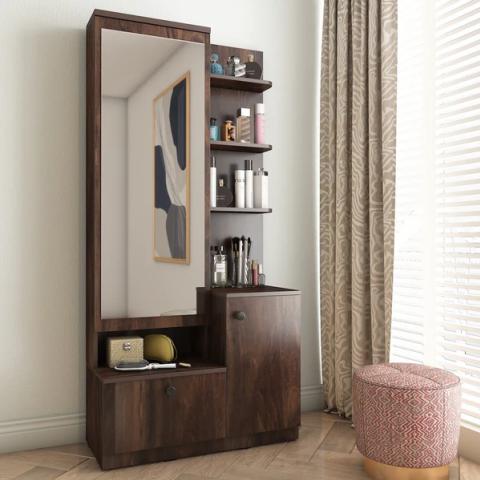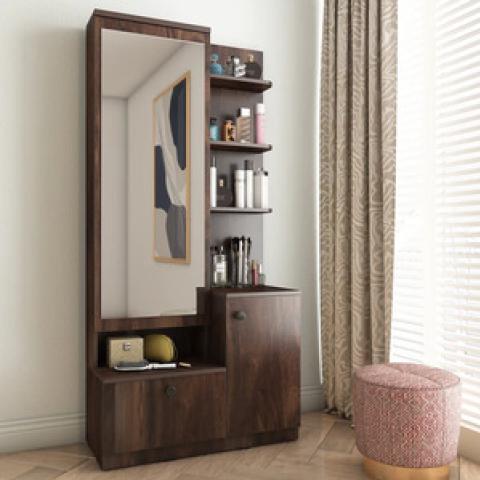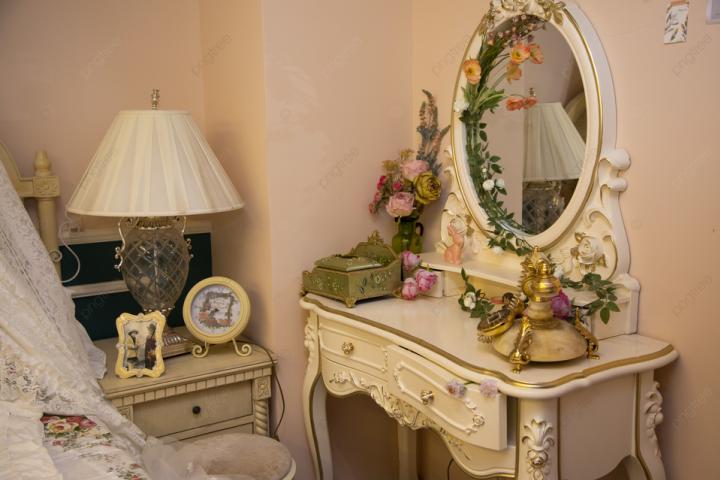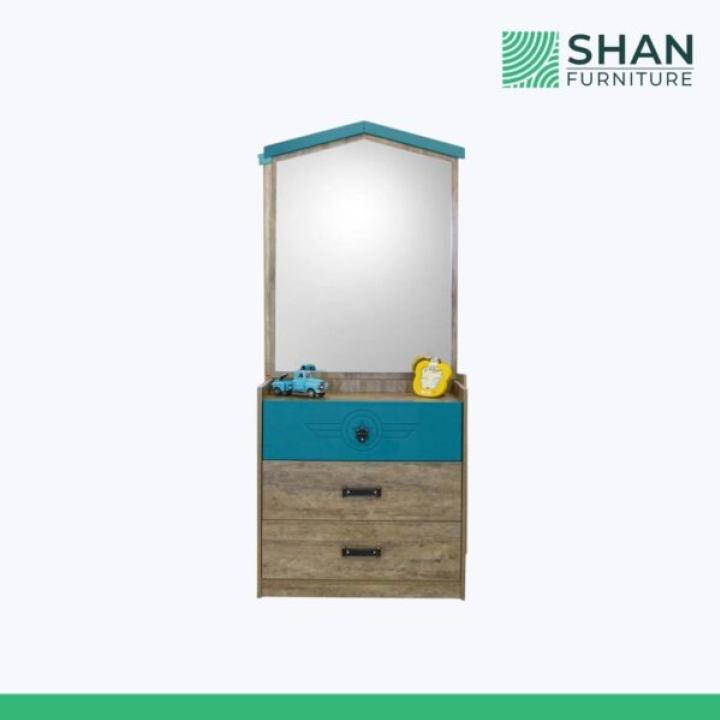

Designing a kids dressing table can be a delightful experience for both parents and children. It’s not just a miniature version of an adult vanity—it’s a space where creativity, self-expression, and organization come together. A well-designed kids dressing table can nurture independence, support daily routines, and offer a fun, personalized corner for your child.
In this guide, we’ll walk you through everything you need to know to create a fun and functional kids dressing table that combines >
Why a Kids Dressing Table Matters
Children mimic adult behavior as part of their developmental learning. Having their own kids dressing table gives them a sense of autonomy and ownership over personal grooming tasks like brushing hair, organizing accessories, or role-playing. It also fosters responsibility by encouraging tidiness and care of their personal space.
Moreover, a thoughtfully designed kids dressing table can double as a creative station or quiet time nook, depending on how you set it up.
1. Choosing the Right Location
Before purchasing or building a kids dressing table, consider the best place to put it:
-
Bedroom: Ideal for a permanent, private setup.
-
Playroom: Encourages creative play and social interaction with siblings or friends.
-
Shared spaces: Opt for foldable or compact designs if space is limited.
Ensure the area is well-lit and easily accessible for your child. Natural lighting is best, but if that’s not available, add soft, adjustable lighting that doesn’t strain the eyes.
2. Selecting the Perfect Kids Dressing Table
There’s a wide range of kids dressing table options available—ready-made, DIY, or upcycled. When choosing or designing one, keep the following in mind:
a. Size and Scale
Make sure the dressing table is proportionate to your child’s height. They should be able to sit or stand comfortably in front of the mirror without straining.
b. Material and Safety
Look for durable, non-toxic materials with rounded edges. Wooden dressing tables are popular for their sturdiness, while plastic versions are lighter and easier to clean.
c. Design and Aesthetics
Choose themes and colors that appeal to your child’s personality. Whether it's a princess-themed table or a minimalist Scandinavian >
3. Must-Have Features of a Functional Kids Dressing Table
A kids dressing table should offer more than just a mirror. Here are some essential features to include:
a. Mirror
Opt for acrylic or shatterproof mirrors for safety. Some models come with adjustable or foldable mirrors that grow with your child.
b. Storage Solutions
-
Drawers: Great for organizing hair accessories, small toys, or makeup kits.
-
Open shelves: Allow for easy access to frequently used items.
-
Hooks and Pegs: Ideal for hanging necklaces, bags, or hats.
c. Stool or Chair
Choose a comfortable, sturdy stool that matches the table height. Bonus points for hidden storage inside the seat!
d. Lighting
Soft LED lights around the mirror add a magical touch. Motion-sensor or battery-operated lights are safe alternatives to plug-in options.
4. Personalization Ideas
Let your child’s personality shine by customizing their kids dressing table. Here are a few creative ideas:
-
Name decals or monograms
-
Photo frames or favorite character stickers
-
DIY drawer handles in fun shapes like stars or hearts
-
Colorful contact paper or removable wallpaper
Allow your child to help decorate—it gives them a sense of ownership and pride in their space.
5. Functional Additions for Daily Routines
A kids dressing table isn’t just about fun; it should also be practical. Consider including:
-
Routine charts: Hang a small checklist for morning and bedtime routines.
-
Brush and comb set: Choose lightweight, child-friendly tools.
-
Tissue box, wipes, or hand sanitizer
-
Jewelry organizer or tray for accessories
These additions help your child build habits and confidence in personal care.
6. Safety Considerations
Safety is crucial when designing any child-focused furniture. Keep these tips in mind:
-
Secure mirrors and heavy parts using anti-tip wall straps.
-
Avoid glass components unless tempered and safely mounted.
-
Use soft-close drawers to prevent pinched fingers.
-
Skip sharp corners in favor of rounded or padded edges.
Regularly inspect the dressing table for wear and tear, loose screws, or broken parts.
7. Encourage Creativity and Imaginative Play
A kids dressing table often becomes a stage for dress-up games, pretend makeup sessions, and storytelling. Make space for imaginative play by adding:
-
Pretend makeup kits or face paint
-
Dress-up accessories like tiaras, bow ties, and scarves
-
Mini perfume bottles (empty or water-filled)
Rotate items regularly to keep the experience fresh and exciting.
8. DIY Kids Dressing Table: A Budget-Friendly Option
If you’re on a budget or enjoy crafting, making your own kids dressing table is a rewarding project. You can repurpose:
-
An old side table or nightstand
-
Mirror from a thrift store
-
Drawer organizers or craft bins for storage
With a little paint, some child-safe sealant, and creativity, you can create a unique piece your child will love.
9. Maintenance Tips
Teach your child to care for their space by including maintenance as part of their routine:
-
Wipe down surfaces weekly with a damp cloth.
-
Organize drawers and shelves once a month.
-
Discard or donate items that are no longer used.
Involving your child in these tasks promotes responsibility and cleanliness.
10. When to Upgrade the Kids Dressing Table
As your child grows, their needs change. Be mindful of signs that it’s time to upgrade:
-
The table feels too small or low
-
Interests shift from toys to personal care or studying
-
Storage needs increase
Consider transitioning to a multi-use desk with a mirror that doubles as a vanity and homework station.
Final Thoughts
A kids dressing table is more than just furniture—it’s a personal space where children can express themselves, practice independence, and build confidence. By blending fun designs with functional features, you can create a space that’s both joyful and practical.
Whether you buy a ready-made set or build your own, the goal is to make the area safe, engaging, and reflective of your child’s unique personality. With thoughtful planning and a bit of creativity, your child’s dressing table can become one of their favorite spots in the home.