
Looking for extra space without the hassle of moving? A granny flat could be the perfect solution! Whether you need a cosy retreat for elderly parents, a private space for adult children, or even a rental income stream, granny flats offer a smart and affordable way to maximise your property.
In Australia, granny flats have surged in popularity due to rising housing costs and the growing need for flexible living arrangements. But what exactly are they? How much do they cost? And what are the legal requirements?
This guide covers everything you need to know about granny flats in Australia, from design inspiration to council regulations. Let’s dive in!
What Is a Granny Flat?
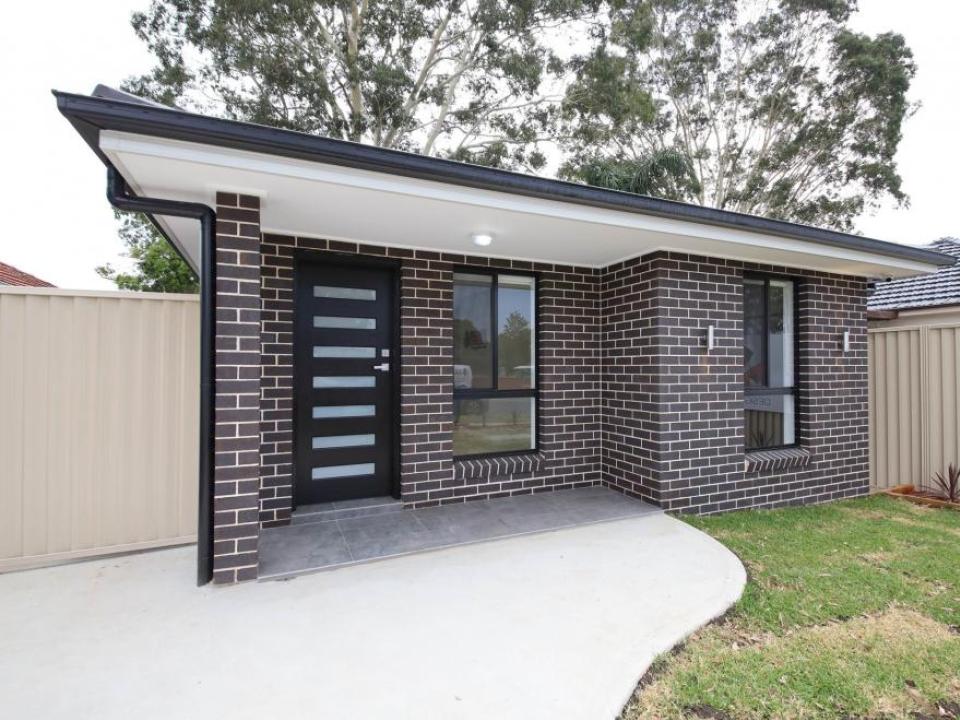
A granny flat (also known as a secondary dwelling or accessory dwelling unit) is a self-contained living space built on the same property as a main home. These compact homes typically include:
- A bedroom
- A bathroom
- A kitchenette or full kitchen
- A living area
They can be detached, attached, or even converted from an existing structure like a garage. The best part? They’re cheaper than buying a new house and can add significant value to your property.
Why Are Granny Flats So Popular in Australia?
- Affordable Housing Solution – With property prices soaring, granny flats provide a budget-friendly alternative.
- Rental Income – Many homeowners rent them out for extra cash.
- Multigenerational Living – Perfect for aging parents or adult children needing independence.
- Increased Property Value – A well-built granny flat can boost resale value.
- Fast Construction – Unlike traditional homes, granny flats can be built in weeks.
Granny Flat Designs & Styles
Granny flats come in various designs to suit different needs and budgets. Here are some popular >
1. Modern Granny Flats
Sleek, minimalist designs with open-plan living, large windows, and energy-efficient features.
2. Traditional Granny Flats
Classic Aussie >
3. Eco-Friendly Granny Flats
Built with sustainable materials, solar panels, and water-saving fixtures.
4. Luxury Granny Flats
High-end finishes, spacious layouts, and premium appliances—ideal for short-term rentals.
5. Prefabricated (Prefab) Granny Flats
Factory-built for quick installation, often more affordable than custom builds.
Pro Tip: Choose a design that complements your main home for a cohesive look.
How Much Does a Granny Flat Cost in Australia?
Prices vary depending on size, materials, and location, but here’s a rough estimate:
| Type of Granny Flat | Average Cost (AUD) |
|---|---|
| Basic Prefab Granny Flat | $80,000 – $120,000 |
| Custom-Built Granny Flat | $120,000 – $200,000 |
| Luxury Granny Flat | $200,000+ |
Factors Affecting Cost:
- Size (Most are 60m² or smaller)
- Materials (Timber, steel, brick)
- Location (Labour & permit costs vary by state)
- Customisation (High-end finishes add cost)
Money-Saving Tip: Some companies offer turnkey packages, bundling design, approvals, and construction for a fixed price.
Granny Flat Regulations in Australia
Before building, you’ll need to check local council rules, as regulations differ across states. Here’s a quick overview:
1. NSW
- Max size: 60m²
- Must be on properties at least 450m²
- No need for council approval if complying with CDC (Complying Development Certificate)
2. Victoria
- Max size: 60m²
- Must be behind the main dwelling
- Requires a planning permit in most cases
3. Queensland
- Max size: 80m² (varies by council)
- Must not exceed height restrictions
- Some councils allow granny flats in more zones
4. Western Australia
- Max size: 70m²
- Must be ancillary to the main home (not a separate dwelling)
Always check with your local council before starting construction!
Can You Rent Out a Granny Flat?
Yes! Many Aussies use granny flats as rental investments. Here’s what you need to know:
- Short-Term Rentals (Airbnb): Great for tourist areas, but check local laws.
- Long-Term Rentals: Steady income, but must meet tenancy laws.
- Family Arrangements: No formal lease needed if housing relatives.
Important: Rental income may affect your taxes—consult an accountant.
Granny Flats vs. Tiny Homes – What’s the Difference?
While both offer compact living, there are key differences:
| Feature | Granny Flat | Tiny Home |
|---|---|---|
| Permanence | Fixed structure | Can be movable |
| Legality | Must meet building codes | Some councils restrict tiny homes |
| Cost | Higher initial cost | Often cheaper |
| Space | Usually 50-80m² | Typically under 50m² |
If you want a legal, long-term solution, a granny flat is usually the better choice.
Final Thoughts: Is a Granny Flat Right for You?
Granny flats are a versatile, cost-effective way to add space and value to your property. Whether you need extra room for family, a home office, or a rental income stream, they offer a practical solution without the hassle of moving.
Before starting, research council rules, compare builders, and plan your budget carefully. A well-built granny flat can be a game-changer for your home!