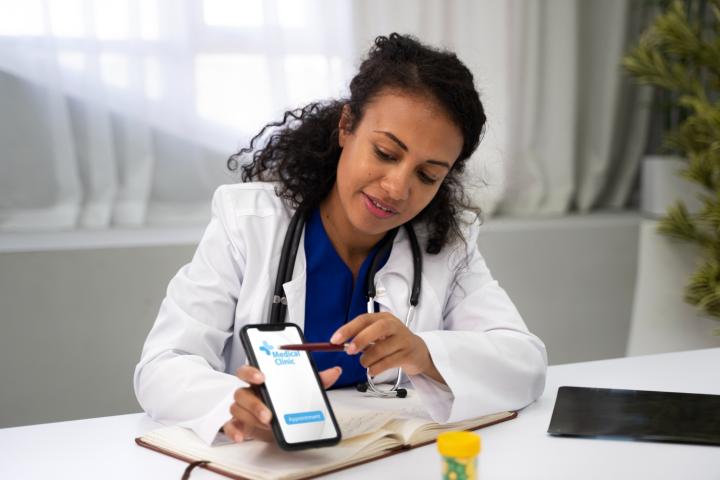
In the evolving landscape of healthcare, communication has always been the cornerstone of an effective doctor-patient relationship. With the rise of telehealth, the dynamics of this communication are undergoing a significant transformation. What was once confined to hospital rooms and in-person clinic visits is now occurring over secure video calls, mobile apps, and even AI-powered chatbots.
The shift isn’t merely technological—it’s cultural, behavioral, and deeply structural. Patients are increasingly expecting seamless, real-time interactions with their healthcare providers, while physicians are learning to adapt their communication skills to fit the digital medium. For health tech entrepreneurs and digital healthcare startups, this transformation offers unprecedented opportunities to innovate through doctor on demand app development and virtual care platforms.
This article explores in depth how telehealth is reshaping doctor-patient communication in the United States and beyond, the benefits and challenges it presents, and how businesses are monetizing this shift through intelligent healthcare design.
The Shift from In-Person to Virtual Healthcare
The doctor-patient relationship used to be rooted in physical proximity—office visits, hands-on examinations, and face-to-face dialogue. While these remain important for many aspects of care, telehealth has introduced a new model that removes the limitations of geography and time.
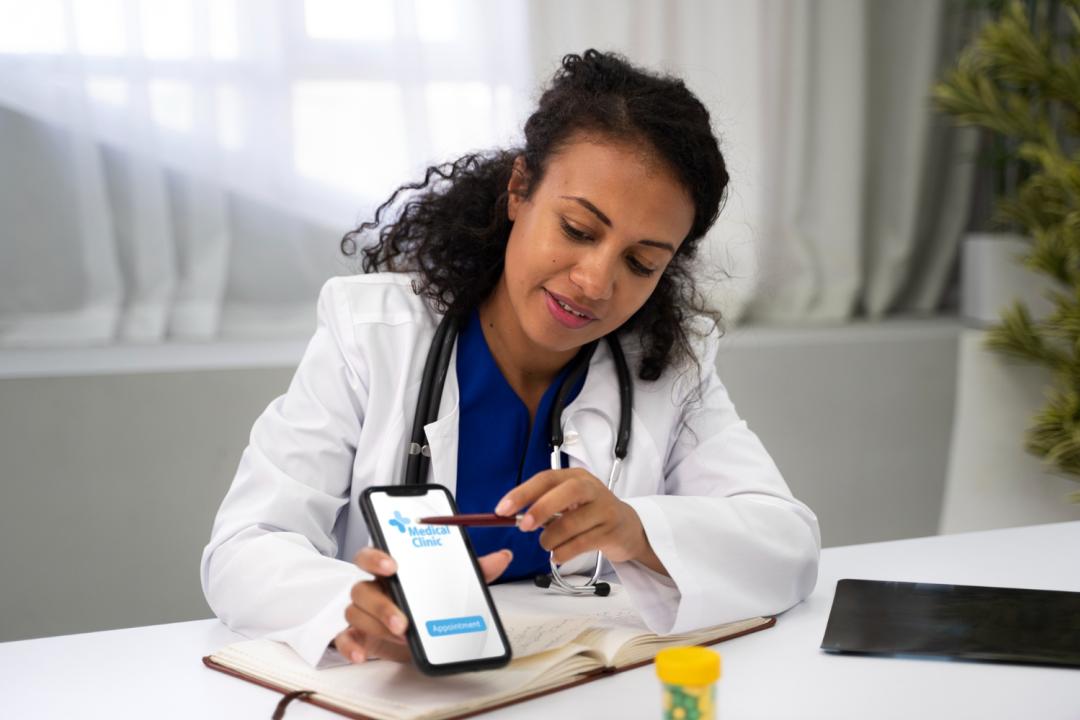
Virtual doctor platforms now allow patients to consult with licensed physicians from the comfort of their homes. What once required a trip to the emergency room or urgent care can now happen over a smartphone screen in minutes. The communication isn’t just easier—it’s faster, more convenient, and often more efficient.
This shift began gaining traction before COVID-19, but the pandemic served as a catalyst. Overnight, doctor on demand platforms became essential tools for hospitals, private practices, and public health agencies. What started as a safety necessity quickly evolved into a preferred method of care for millions.
How Telehealth Is Enhancing Communication
The most noticeable change that telehealth brings is the democratization of healthcare access. Communication barriers that previously hindered effective care—distance, time constraints, or physical disabilities—are now being addressed with scalable, digital-first solutions.
One major advancement is the integration of real-time video consultations. Patients are able to explain their symptoms directly to a healthcare provider via secure platforms, and doctors can visually assess certain conditions, offer medical advice, and prescribe treatments without an in-person visit.
Text messaging and asynchronous communication have also added a layer of convenience. Many telehealth platforms include messaging features that allow patients to send questions, images, or updates to their doctors, who can respond in a timely but non-immediate fashion. This type of communication reduces the burden on both parties and enables continuous care, especially for chronic illnesses.
Furthermore, AI-powered symptom checkers and chatbots are being used to gather preliminary information and triage patients more efficiently. These tools guide users through basic questions before connecting them with the appropriate specialist, streamlining the process and improving communication quality.
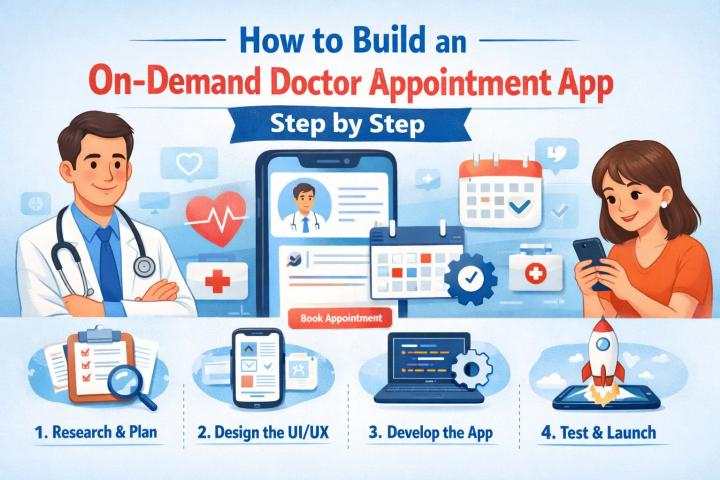
Doctor on Demand App Development: Designing for Better Conversations
The rapid development of telemedicine platforms has made UX/UI design, speed, and data security top priorities. Building an effective communication channel between doctors and patients involves far more than just adding a video call button.
Entrepreneurs involved in doctor on demand app development are focusing heavily on user-centric design. From appointment scheduling to medical history sharing, every touchpoint is designed to make communication clear, quick, and easy to follow.
Key innovations in app development that support better communication include:
- In-app messaging and notifications to remind patients of appointments, prescriptions, or test results
- Real-time transcription and translation for multilingual users and patients with hearing impairments
- Automated follow-ups and check-ins for ongoing conditions
- HIPAA-compliant data storage that protects sensitive patient information
Digital healthcare startups that prioritize these elements are not only improving communication—they’re increasing patient satisfaction, reducing miscommunication-related errors, and building trust in a virtual care environment.
The Role of Empathy and Bedside Manner in Virtual Care
One of the initial concerns among providers was whether empathy and connection could be preserved in a virtual setting. In traditional healthcare, the physician’s “bedside manner” is a critical aspect of diagnosis and care. Could that same trust be built over a screen?
The answer, it turns out, is yes—with some adjustments. Telehealth has prompted providers to be more deliberate and intentional in their communication. Clear verbal cues, active listening, and more expressive body language have become tools for expressing empathy through screens.
Physicians are also trained to maintain eye contact with the camera, speak clearly, and confirm that patients understand their instructions. In this way, virtual doctor-patient communication is becoming a refined skill set—one that medical schools and professional training programs are starting to include in their curriculum.
Telehealth is not replacing the human element; it's enhancing it by giving doctors the ability to spend more time with patients, free from many of the logistical constraints of traditional practice.
The Benefits of Telehealth Communication
The new model of communication introduced by telehealth provides a wide range of benefits, both for patients and healthcare providers.
First and foremost is convenience. Patients no longer need to take time off work, travel to clinics, or sit in waiting rooms. For people with limited mobility, chronic conditions, or mental health issues, this ease of access can make the difference between receiving care and going without it.
Telehealth also allows for faster diagnosis and treatment, particularly in urgent or non-complex cases. Patients can often receive a prescription within minutes of a consultation.
Another major advantage is documentation. Many virtual visits are recorded or transcribed, with notes and treatment plans accessible in the app. This reduces the chances of misunderstanding and gives patients a clearer record of what was discussed.
For healthcare systems, improved communication leads to better resource management. Fewer no-shows, better scheduling, and more efficient data collection all contribute to a streamlined workflow.
Challenges and Limitations in Telehealth Communication
Despite the many advantages, telehealth communication is not without its limitations. One of the primary concerns is technological literacy. Not all patients are comfortable navigating digital platforms, and this can hinder communication, especially among older populations.
Another issue is limited diagnostic ability. While telehealth is ideal for many types of care, there are still conditions that require physical exams, imaging, or lab tests. In such cases, doctors must clearly communicate when in-person follow-up is necessary.
Privacy concerns also remain high. Even with HIPAA compliance, some patients are hesitant to share sensitive health details over the internet. Clear policies, secure platforms, and user education are essential for addressing these fears.
Lastly, not all health insurance plans provide full coverage for telehealth services, which can create economic barriers and complicate doctor-patient dialogue around billing and access.
How Digital Healthcare Startups Are Monetizing Better Communication
As telehealth platforms become communication hubs rather than simple consultation tools, startups are finding new ways to monetize enhanced doctor-patient interaction.
Subscription-based models are a common strategy. Platforms like PlushCare and HealthTap offer monthly or annual memberships that include unlimited consultations, chat messaging with providers, and prescription refills. This model supports continuous communication, not just one-off appointments.
Some platforms are also developing AI-powered health companions that offer personalized health advice, track symptoms, and notify patients when it's time to check in with a doctor. These features can be monetized through tiered pricing or integrations with wellness products.
Enterprise sales remain a lucrative market as well. By selling SaaS-based platforms to hospitals, employers, and insurance providers, startups can provide large-scale telehealth solutions that emphasize communication tracking, analytics, and integrated care coordination.
The ultimate goal is to create a communication ecosystem that keeps patients engaged and supported throughout their health journey—and entrepreneurs are building profitable, scalable platforms to achieve just that.
The Future of Doctor-Patient Communication in Telehealth
As telehealth continues to evolve, so too will the methods and tools used to foster doctor-patient communication. Future platforms are expected to incorporate:
- Voice recognition and NLP (Natural Language Processing) for automated note-taking and analysis
- Virtual reality environments for more immersive consultations and therapy
- Wearable device integration, enabling real-time health monitoring and remote feedback
- Predictive analytics, helping doctors reach out to patients proactively based on data trends
Additionally, we may see decentralized platforms using blockchain technology to give patients complete control over their medical records and how they’re shared.
These advancements will redefine how doctors and patients communicate—making it more collaborative, data-driven, and continuous.
Conclusion: A Communication Revolution in Healthcare
Telehealth is not simply a new tool for delivering care—it’s an entirely new framework for how doctors and patients interact. It breaks down barriers, empowers patients, and encourages physicians to develop new communication skills adapted for the digital age.
For entrepreneurs, the rise of telehealth represents an extraordinary opportunity. Through thoughtful doctor on demand app development, attention to user experience, and a commitment to secure, transparent interactions, businesses can help shape a healthcare system where communication is more accessible, efficient, and effective than ever before.
The future of healthcare will be defined not just by innovation in treatment, but by innovation in conversation—and telehealth is leading the way.