Security doesn't solely consist of locks and bolts these days. With a lost access card or deleted code ruining your day, the proper access control system isn't just a good idea; it's necessary. The only thing is, with so many types out there, what really gets the job done for your company? Let's return to fundamentals, from nuts and bolts to geeky, and assist you in finding a system that not only locks your doors but keeps time with the beat of your workplace
Understanding the Basics: What Access Control Really Means
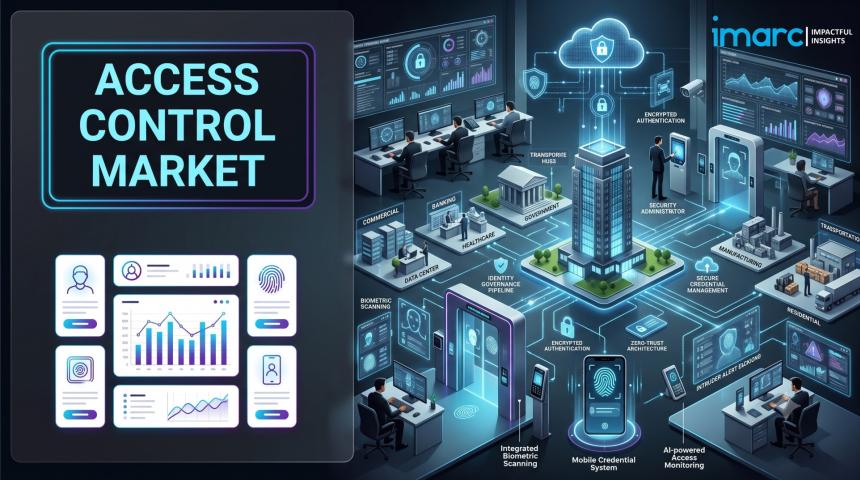
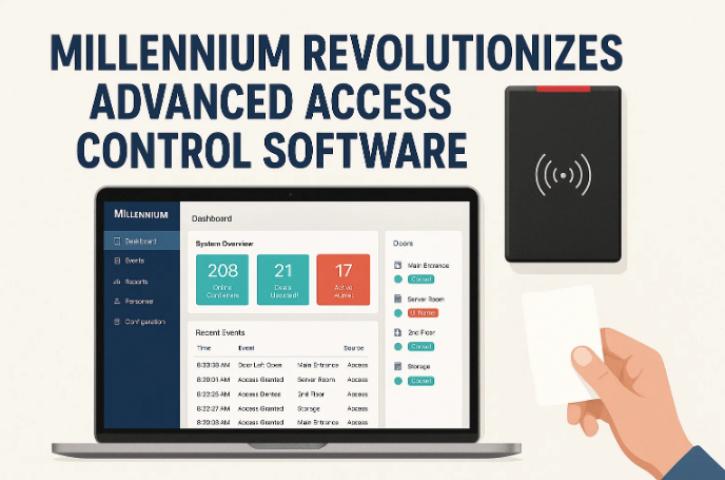
Access control, in its most basic sense, is a matter of who enters, where they are going, and when. These systems don't only keep strangers out; they let you control employees, visitors, and even delivery persons without standing over their shoulders. And if you’re running a business in a busy place like access control Manchester, you know things move fast and risks don’t wait. Whether it’s swipe cards, phone-based access, or fingerprint readers, it’s not about flashy gadgets; it’s about having control that actually works with the way you run things, day in and day out.
Key Factors to Consider When Choosing a System
Sit down and ask yourself a few straightforward questions. How many individuals will be accessing it on a daily basis? Are you locking one door or ten? Do you have to control by department, by time of day, or perhaps both? Also, think about your business’s pace. A bustling coworking space might need flexibility and quick updates, while a data centre leans more toward tight, no-nonsense restrictions. And don’t forget, budget matters. There's no point breaking the bank on bells and whistles you’ll never use.
Comparing Physical vs. Logical Access Control
Access control is not physical any longer. The ID card that you swipe to enter your office building? It can also authenticate you on the computer. Physical access safeguards the buildings, and logical access guards your data and networks.
For most businesses today, the two go together. Locking your building door with your IT login password can be easier and more secure as well. One swipe, and not only into the office, but also logged in. Less hassle, less to remember; what's not to like?
Exploring the Main Types: Discretionary, Role-Based & Mandatory
Let's now discuss the framework. There are some covert models of access control, each with its own attitude:
Discretionary Access Control (DAC): It's the loose one. You, the owner, decide who to give access to. Good for small set-ups, but perilous when more people start tampering with permissions.
Role-Based Access Control (RBAC): This one's neat and structured. Define roles like "Manager" or "Intern," and assign access through them. It scales beautifully as your team grows.
Mandatory Access Control (MAC): The controlling parent of the group. Permissions are in control, and no one deviates. Most effective in businesses such as healthcare or finance where compliance is the solution.
Having the proper structure is half the fight; don't omit it.
Choosing Between Keypad, Card, Biometric & Mobile Access
Keypads are easy, but codes are shared. Swipe cards are convenient, but you misplace them. Biometrics, fingerprint or face scan, is high-tech-sounding but perhaps intrusive to some. Mobile-based solutions? Convenient, but reliant on a good Wi-Fi or mobile connection. Consider your team. Are they tech-savvy? Do they have quirky hours? Will they lose a card before lunch? Fit the method to the people, not the reverse.
Cloud-Based vs. On-Premises Systems: Which Fits Best?
Cloud-based solutions provide remote access control, which suits companies with multiple offices or managers who are travelling all the time. You can set up your own convenience from your mobile phone, see activity in real-time, and receive notification the moment something happens.
Or, inversely, on-premises solutions provide greater hands-on control and can be more comfortable for those who don't want data to be located offsite. Either way, there is a tradeoff between flexibility and control.
Tailoring Access Control to Your Business Size and Industry
A small-town bakery will not require the same system as a bank in London. Both size and industry matter when choosing a system. Shops may be concerned with safeguarding stockrooms and till spaces, whereas schools are concerned with safeguarding pupils. Warehouses want to know who is on site outside working hours, whereas law firms are concerned with client confidentiality.
It doesn't have to be total overkill. It just needs to be in harmony with you.
Conclusion
Lastly, selecting the optimal access control system is not a question of flashiest technology or flashiest brand name; it's about how harmoniously it fits your company's rhythm. The correct one will efficiently get its job done as you get yours. So count your stuff, think pragmatically, and select a system that is not only secure but judiciously harmonious with your people, infrastructure, and work >