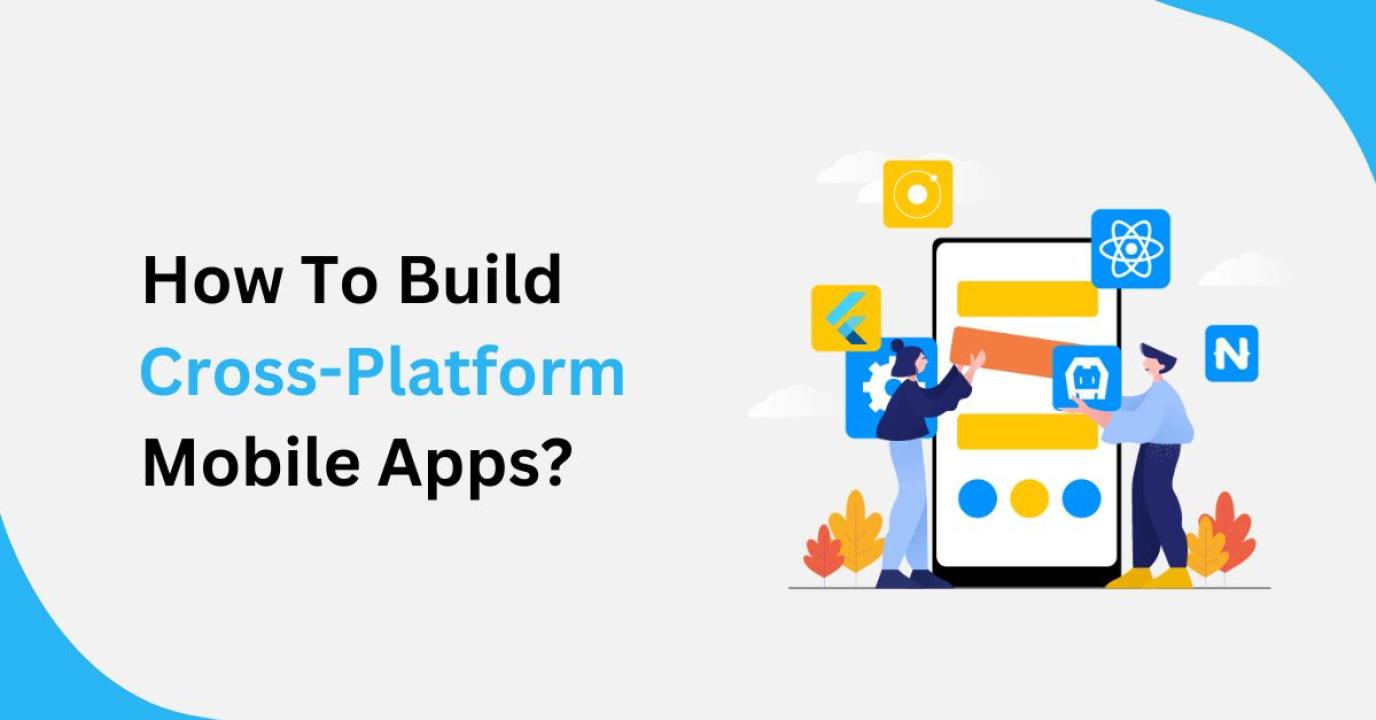

Now everyone has access to all types of equipment, such as phones, tablets, and laptops, and applications must be fully executed. But making different applications for all of them is time-consuming and expensive. Thus, developers are quickly transferred towards planning cross-platform applications.
If you need to know how to make a cross-platform application from scratch, this tutorial will guide you through every stage of the process. Whether you are new to the creation of applications or have some experience with it, you will find some useful suggestions in creating an application that will run smoothly on any device.
What is a Cross-Platform App?
A cross-platform application is a mobile or desktop application that can be executed across various platforms, generally iOS and Android, from the same codebase. Unlike native apps, which are developed individually for every platform, cross-platform apps are written once and distributed everywhere.
Some of the most popular technologies for cross-platform app development are:
- Flutter
- React Native
- Xamarin
- Ionic
These solutions enable developers to save time and be cost-effective without sacrificing a brilliant user experience.
Why is Cross-Platform App Development Important?
The following are some of the reasons why cross-platform development has become so widely used:
- Faster Development: Once written, it runs everywhere. No separate coding for Android and iOS.
- Cost-Effective: Saves money both in development and maintenance.
- Wider Reach: Your app is deployed on more devices from the initial stage.
- Smoother Updates: Bugs and updates reach all the platforms at the same time.
These benefits have ensured cross-platform application development as a first preference among companies globally. More specifically, most startups and companies collaborate with a cross-platform mobile application development company to avail technical expertise, quicker delivery, and a rich innovation ecosystem.
Step-by-Step Guide on How to Build a Cross-Platform App
Developing a cross-platform app may look overwhelming at first, but dividing the process into simple steps makes it manageable. Let's step through each step so you know what to expect and feel confident in proceeding.
1. Define Your App Concept Clearly
Every successful app begins with a good idea. Ask yourself:
- What problem does your app solve?
- Who is your target audience?
- What features are necessary?
Having that definition here enables you to make more informed decisions down the road.
2. Conduct Market Research
Pay attention to other similar cross-platform mobile apps that are already out there. Observe what they're good and bad at. This keeps you on your toes for a potential opportunity and allows you to hone your differentiator.
3. Select the Proper Tech Stack
Choosing the right cross-platform framework is important. Here's a flash review:
- Flutter: Fantastic for performance and UI. Google-backed.
- React Native: Best for developers who know JavaScript with broad industry support.
- Xamarin: Optimal for .NET and C# developers.
- Ionic: Easy to use and web-first, but perhaps not ready for high-end performance for high-intensity applications.
Choose a framework that is best suited ideally for your app requirements and for your own development skills or team abilities.
4. Construct the User Interface (UI)
A smooth, spontaneous UI goes a long way to keep users busy. Make sure the UI of your app is native on both iOS and Android, and follow a consistent look on all devices.
Figma and Adobe XD are tools that enable you to prototype and design your layout before growth.
5. Begin Development
Time to turn your cross-platform app into a working piece of code:
- Start off by setting up the project in your framework of choice.
- Break your features into bite-sized tasks.
- Prioritize your core features first, then flesh out the details.
Keep performance in mind throughout. Even though you’re using a single codebase, optimize the app for both platforms to avoid slowdowns or bugs.
6. Test on Real Devices
Don’t rely only on simulators. Test your app on real iOS and Android devices to check for:
- UI consistency
- Performance issues
- Bugs and crashes
- Usability
Quality assurance is important. The more rigorous your testing, the better the user experience will be.
7. Gather Real Feedback and Make It Better
Start by sharing your app with a small group of users to see how it performs in real situations. Their feedback can help you catch issues you might have missed, improve how the app feels to use, and fine-tune important features.
Even after the app is live, keep an open ear. What users say can guide future updates and make your app even better over time.
8. Release and Promote Your App
Once everything goes well, publish your app on the App Store and Google Play. Create great details and use compelling screenshots to stop people in their tracks. Use content marketing, social media, and review sites for apps to remove the word.
Final Thoughts
Learning to develop a cross-platform app can be a smart step, especially if you are working with a limited budget or a tight deadline. Whether you are a single manufacturer or part of a team, these phases provide a clear path to bring your app idea to life.
Remember, success is a result of planning, experimenting, and continuous treatment. But with a good plan, you can create a cross-platform app that performs well on all devices and win users.