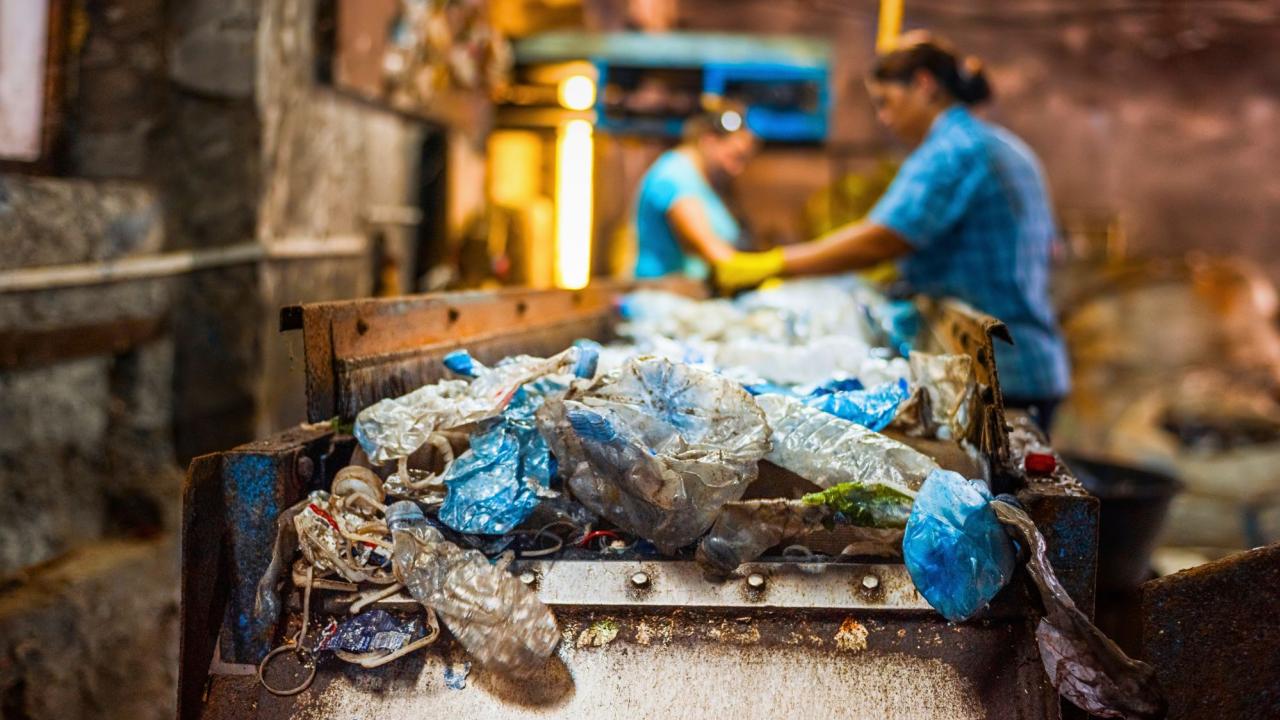
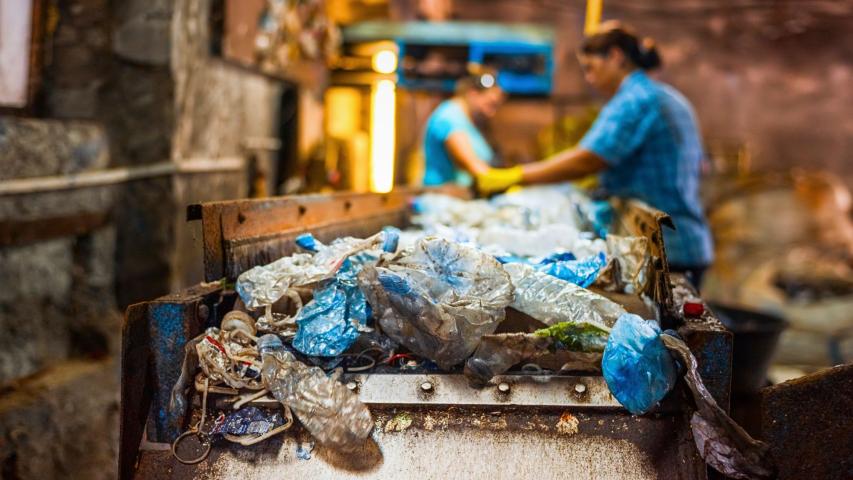
Rubbish does not sort itself, but these days it seems it does. Modern waste disposal is no longer just cans and bags. From hospital rubbish to household rubbish, smart technology now reigns supreme with sleeker, swiffer, and cleaner processes. Let's find out how the world of rubbish management these days is being revolutionized, one smart device, one innovative process at a time.
Optical Sorting and Near-Infrared (NIR) Technology:
Hand-sorting rubbish? Forget about it. Optical technology with Near-Infrared (NIR) capability can sort plastics, papers, and more by light reflection. Rubbish whizzes down conveyor belts as sensors scan and sort in seconds. With such precision, recyclables are purer and more sorted.
Rubbish zooms down conveyor belts while sensors scan and sort in seconds. With precision this acute, recyclables are purer and more sorted. For shops or residents overwhelmed with rubbish, most now want to book a skip and let technology do the job. It's quick, accurate, and minimises contamination like never before in traditional sorting.
Robotic and AI-Based Modern Waste Separation:
Brute power and brains in a machine, robotic modern waste sorters are redefining the way recycling plants look. These arms equipped with AI scan, evaluate, and collect items with pinpoint accuracy. Glass to cardboard, nothing gets by them.
And since they never require a break or lunch recess, these robots win over human beings both in terms of speed and endurance. They are also a godsend in situations where exposure to toxic waste renders manual sorting unsafe. It's the era of smart cleanup, and the robots are on their way in.
Mechanical Biological Treatment (MBT):
Mechanical biological treatment is a gritty process that combines shredding and bio-degradation. It first shreds commingled rubbish, stripping off the recyclables and separating the rest. Organic waste is broken down under engineered conditions, losing weight and bulk.
What is left? Compost-like substance or fuel derived from refuse, ready for industrial use. The beauty of MBT is its adaptability; it processes all waste without relying on energy-intensive methods. No flash high tech here, just brute mechanics and microbes hand in hand working to relieve pressure on the landfill.
Pyrolysis and Gasification for Energy Recovery:
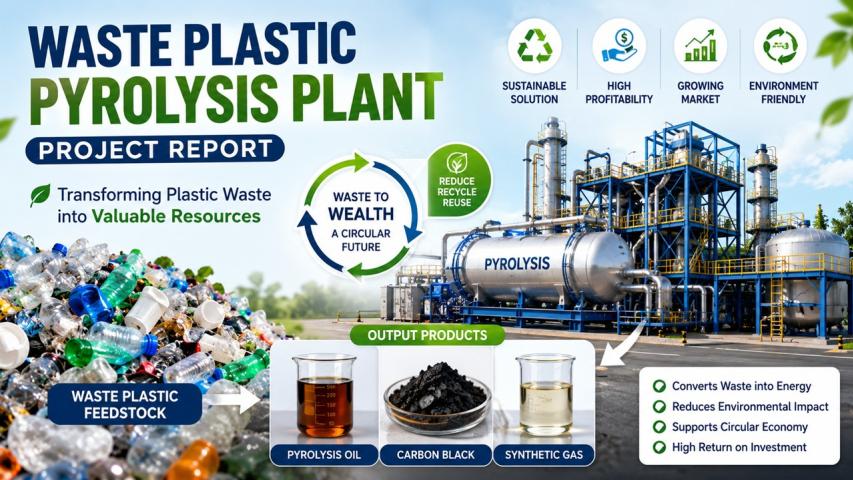
Not all can be recycled, but that doesn't mean it's wasted. Pyrolysis and gasification provide a lifeline for recalcitrant materials like rubber or grimy plastics. In room air-starved conditions, the rubbish is decomposed into oil, synthetic gas, and carbon ash. Incineration has reduced smoke, fewer fumes, and usable products.
Syngas generated can be used to drive turbines or produce heat, completing the cycle of reuse to use. It's not energy production; it's a cleaner way to dispose of stubborn waste with a clearer conscience. When waste begins to power cities, you know that something is happening.
Microwave Treatment for Clinical Waste:
Hospitals create a waste problem, and not quantity, it's risk. Enter microwave treatment: a technique that destroys disease-causing pathogens with no chemicals or incineration to be done. Clinical waste is shredded, then subjected to microwave energy at extremely high temperatures.
The result? Sterilised material is completely safe to transport or even recycle in some cases. The equipment fits neatly within hospital property, minimising haulage and handling risks. It's low-key, effective, and a heck of a lot neater than incinerating hazardous waste in distant incinerators. For infectious waste, it's the safest by a mile.
Digital Waste Tracking and IoT Monitoring Systems:
You can't control what you can't track. That's where digital tracking comes in. From intelligent bins that alert when they need to be emptied to RFID tags for tracking waste from origin to destination point, live monitoring is revolutionising everything.
These technological systems reduce unlawful dumping, catch irregularities, and assist businesses in organising collection schedules. Urban centers can optimize collection routes and remove overflowing bins from city streets. It's like giving rubbish a paper trail, but it's online, fast, and irreprehensible.
Advanced Autoclave and Sterilisation Techniques:
Steam might seem medieval, but contemporary autoclaves usher in an era of precision. Medical laboratory waste is supplied to pressure vessels where superheated steam sterilizes it from start to finish. Some models crush the waste along the way, taking up to 80% less space.
That means fewer collections and less pressure on dump sites. These sterilization units are of the highest importance in infectious and bio-hazardous waste, especially in medical labs and biotech labs. And because they're encapsulated, they eliminate the risk of leaks or airborne contamination. It's sterile, controlled, and it never breaks.
Conclusion:
Technology isn't merely making it easier to get from under all that waste, it's doing so smarter, faster, and safer. From mechanical claws to steam sterilisers, each increment continues to chip away at what was once a daunting scramble.
Yeah, the waste continues to mount, but with this collection of new technology, we're finally gaining ground. We’re no longer being buried under waste; we’re getting ahead of it.