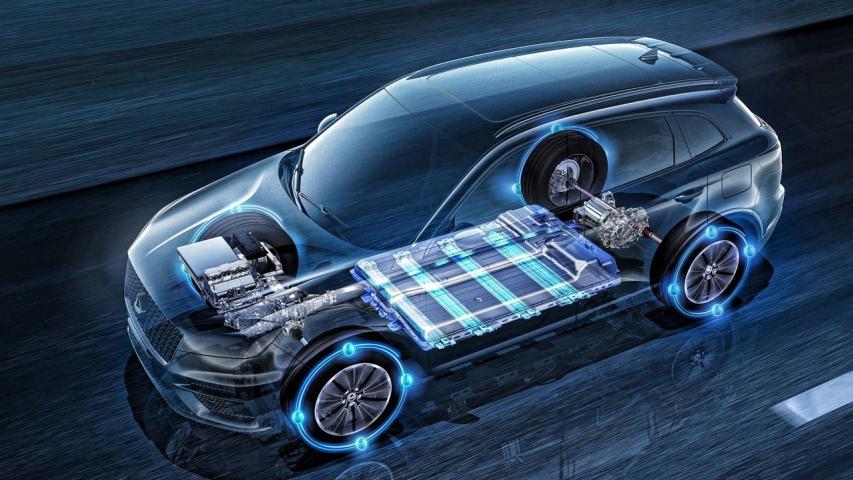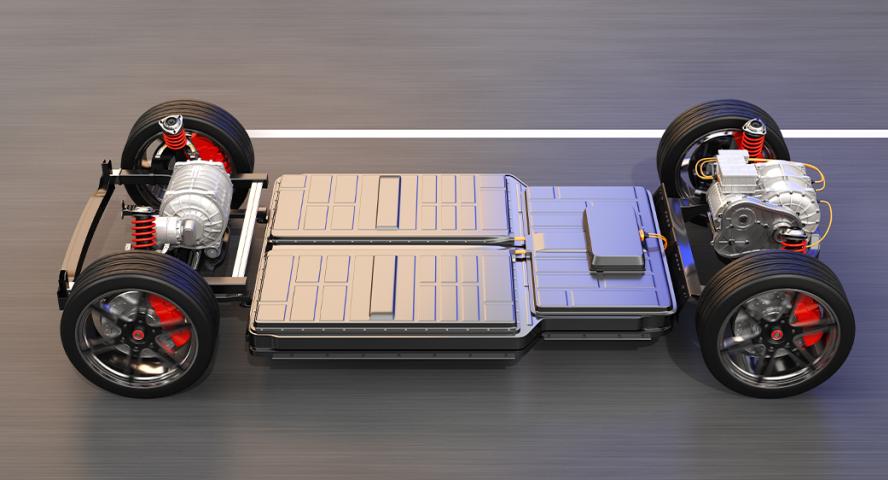

The Electric Vehicle (EV) Power Inverter Marketis growing rapidly alongside the global EV revolution. An inverter converts DC battery power into AC current to drive the motor and efficiently manage regenerative braking. Valued at approximately USD 8.2 billion in 2023, the market is forecast to reach USD 21.6 billion by 2033, driven by a CAGR of roughly 10.1%.
Request Sample Report:
https://straitsresearch.com/report/electric-vehicle-power-inverter-market/request-sample
Regional Trends (2021–2033)
Asia-Pacific
Leading regional market with over 45% share in 2023, powered by China’s dominant EV production, supportive regulations, and battery manufacturing integration. Japan and South Korea add to demand via global automakers and inverter suppliers.
North America
Holding approximately 25% of the global market, North America benefits from accelerating EV adoption, the U.S. Inflation Reduction Act, and investments in supply chain localization.
Europe
Accounts for about 22% of global value, buoyed by strict emissions regulations, strong EV adoption, and investments in clean mobility. Germany, France, and the Nordics lead.
Latin America, Middle East & Africa
These markets show early-stage growth (~8% share), focusing on public transit electrification, ride-sharing, and pilot EV programs.
Market Segmentation (2021–2033)
Explore full segmentation:
https://straitsresearch.com/report/electric-vehicle-power-inverter-market
By Propulsion Type
-
Hybrid Electric Vehicle (HEV)
The largest segment in 2023 (~38%), as cost‑effective hybrids sustain growth where full EV adoption is slower. -
Plug-in Hybrid Electric Vehicle (PHEV)
Grew at approximately 12% CAGR in 2021–23. In 2023, PHEVs made up ~27% of inverter revenue amid range‑anxiety solutions. -
Battery Electric Vehicle (BEV)
Revenue share reached ~30% in 2023. Expected to overtake HEVs as BEV production scales, forecast CAGR ~13%. -
Fuel Cell Electric Vehicle (FCEV)
A niche segment (<5%) but growing in regions with hydrogen infrastructure (Japan, South Korea, Europe). Inverter demand is specialized yet rising.
By Vehicle Type
-
Passenger Cars
Account for roughly 70% of inverter sales. BEVs and hybrids in this segment are boosting demand significantly. -
Commercial Vehicles
Make up ~30%. Electrifying buses, delivery trucks, and buses is accelerating inverter consumption in fleets and logistics.
Top Players
Key manufacturers shaping the inverter landscape include:
-
Vitesco Technologies
-
Robert Bosch GmbH
-
DENSO Corporation
-
Toyota Industries Corporation
-
Hitachi Astemo Ltd
-
Meidensha Corporation
-
Aptiv PLC (BorgWarner Inc.)
-
Mitsubishi Electric Corporation
-
Marelli Corporation
-
Valeo Group
These companies collaborate closely with automakers and battery suppliers to develop silicon carbide (SiC) and gallium nitride (GaN) power modules that offer higher efficiency and reliability.
Market Drivers
-
Rapid EV Adoption
Global EV sales surpassed 14 million in 2023, placing inverters at the core of every EV powertrain. -
Advancements in Power Semiconductors
SiC and GaN inverters are replacing IGBT-based designs, cutting losses by 50–70% and improving range. -
Regulations & Subsidies
Incentives like tax credits in the U.S., EU Green Deal, and China New Energy Vehicle policies are accelerating inverter demand. -
Grid & Renewable Integration
Inverters in EVs and commercial fleets support vehicle-to-grid (V2G) technology and smart charging systems. -
Commercial Electrification
Transit and fleet electrification programs in cities worldwide are incentivizing inverter production for buses and light trucks.
Market Challenges
-
High Component Cost
SiC-based inverters are premium products, which may slow down adoption in cost-sensitive markets. -
Thermal Management Needs
High power throughput requires robust heat dissipation systems to maintain efficiency and durability. -
Infrastructure Incompatibilities
Fast-charging and V2G applications require standardization in charging systems and inverter interfaces. -
Technological Complexity
Building safe, reliable, and software-integrated inverter systems demands high R&D investment. -
Geopolitical Disruptions
Supply chain shifts (rare-earth, semiconductors) may affect manufacturing amid trade tensions.
FAQs
Q1: What is the projected market size by 2033?
A: The global EV inverter market is expected to reach approximately USD 21.6 billion by 2033, growing from USD 8.2 billion in 2023 (CAGR ~10.1%).
Q2: Which propulsion type leads inverter demand?
A:HEVs held the largest inverter share in 2023 (~38%), but BEVs are forecast to take the lead due to accelerating EV adoption and semiconductor enhancements.
Q3: Who dominates regional demand?
A:Asia-Pacific leads (~45%), followed by North America and Europe.
Q4: What are the new inverter technologies?
A: Silicon carbide (SiC) and gallium nitride (GaN) modules are key innovations, boosting inverter efficiency and reducing system size.
Q5: Who are the industry leaders?
A: Major players include Vitesco, Bosch, Denso, Toyota, Aptiv, Mitsubishi, Valeo, among others.
Conclusion
The Electric Vehicle Power Inverter Market is positioned for strong growth into 2033, driven by EV adoption, efficiency breakthroughs, and regulatory support. HEVs currently dominate, while BEVs lead inverter innovations. Passenger cars account for the majority market share, but commercial vehicles will see rapid growth as fleets electrify. Leading players are investing heavily in SiC and GaN technologies to reduce losses and improve powertrain performance.