In the ever-evolving experience of streetwear, Denim Tears has emerged as a brand that blends enlightening meaning with high-quality design. Founded by Tremaine Emory, this imaginative label is conspicuous not only for its bold beauty but still for its capacity to address fault-finding issues, specifically those concerning Black civilization and history. Since its beginning, Denim Tears has enhanced a cultural force, captivating both the fashion planet and the broader social landscape.
A Look at the Origins of Denim Tears
Denim Tears is the fabrication of Tremaine Emory, a designer whose course spans two together the streetwear and indulgence fashion businesses. Emory, who has earlier worked with legendary brands like Supreme and Stüssy, sought to build a system that was more than just another clothing line. Denim Tears was born and consumed a desire to join fashion with social facts, using the medium of denim to express deeper cultural and historical news, specifically those having to do with African American knowledge.
Launched in 2020, Denim Tears quickly gained recognition for its poignant design selections and its thoughtful approach to fashion. Emory utilized iconic characters of Black similarity and heritage, such as cotton flowers and African American vernacular, in welcome designs. This allowed Denim Tears to resonate not only with fashion supporters but also with a wider audience who enjoyed the brand's work to spark conversations around race, past, and friendly lawfulness.
The Design Philosophy of Denim Tears
One of the key factors that set Denim Tears clothing other than other streetwear brands is its different design philosophy. The brand merges streetwear sensibilities with a strong educational narrative, making each collection more than just a piece of clothing but a statement. Emory's creative view emphasizes authenticity, using fashion as a medium for storytelling.
Denim Tears collections often feature a join of classic streetwear staples like hoodies, T-shirts, and denim tears shorts, but they are elevated by the inclusion of factual references and political statements. For instance, in his collaborations with Nike, Emory organized symbols of Black tradition into the designs of sneakers and clothing, creating a fusion of exclusive fashion and cultural pride.
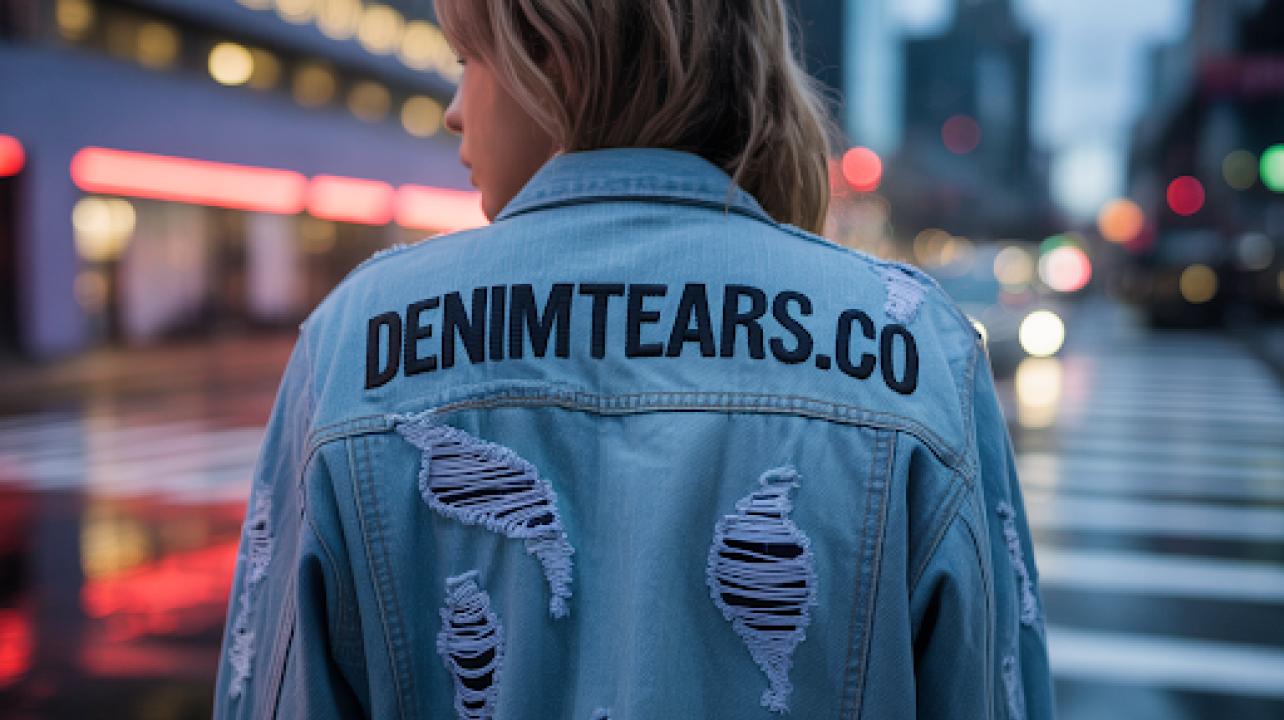
Emory’s use of denim as a main fabric in welcome collections is a deliberate choice, evoking a sense of Americana and working-class history while also confronting the habits in which Black culture has happened historically intertwined with labor, particularly through the cotton industry. The Denim Tears brand frequently makes use of bold drawings, embroidery, and mixture, with a clear focus on detail and craftsmanship, making each piece feel both individual and political.
The Cultural Impact of Denim Tears
Denim Tears has surpassed the world of fashion, flattering a catalyst for important conversations around race, civilization, and social lawfulness. The brand is known for combining elements of Black history into its designs, such as understanding flower motifs, a symbol that ties into the painful past of slavery in the U.S. and the cotton industry's role in the hardship of Black Americans.
In addition to its cultural importance, Denim Tears also plays an important role in reshaping the habit the fashion industry engages with diversity. As a Black-possessed fashion brand, it brings perceptibility to the importance of supporting designers and managers from marginalized communities. Emory’s work serves as a tribute to the power of fashion to shape narratives, challenge averages, and promote certain social change.
One of the most impactful aspects of Denim Tears clothing is its ability to engage with and enable Black communities, especially in the framework of a predominantly white fashion industry. Emory’s personal connection to the society and his assurance to representing Black culture in a significant and respectful way has resonated deeply with buyers, making Denim Tears a symbol of both >
Denim Tears and the Rise of Streetwear Fashion Trends
Denim Tears has also contributed significantly to the continuous evolution of streetwear fashion >
The collaboration between Denim Tears and Nike, for example, reveals how streetwear fashion could compete for a deeper meaning. The sneakers and apparel featured bold imagery that referenced African American culture and history, creating a strong visual narrative that questioned traditional notions of what streetwear shows. Through these collections, Denim Tears elevated the dialogue about Black identity and fashion, allowing for a more all-embracing and culturally nuanced perspective within the streetwear world.
Denim Tears and the Thriving Significance of Black-Owned Fashion Brands
As the clothing industry continues to develop, there has been a noticeable shift toward supporting Black-possessed fashion brands like Denim Tears. This movement is part of a broader push for diversity and inclusivity, especially in an industry that has long been reviewed for its lack of likeness.
Denim Tears has gambled a crucial function in this shift, not only through its commitment to showcasing Black culture in its designs but likewise by creating a principle for emerging Black designers and executives. By succeeding in the highly ambitious fashion world, Denim Tears has demonstrated that Black-owned brands can thrive in two together the streetwear and luxury segments.
Conclusion: Denim Tears as a Legacy Brand
Denim Tears is not just a brand; it’s an educational movement that bridges the gap between fashion and social consciousness. With its thoughtful designs and responsibility to highlighting the struggles and triumphs of Black Americans, the brand has left a unique space in the fashion globe. Whether through its cooperations with Nike or its denim-principal collections, Denim Tears challenges the status quo, bringing two together the clothing manufacturing and consumers to trust critically about the role of race, history, and similarity in shaping what we wear.
As Denim Tears collections continue to evolve, it’s clear that the brand will remain at the eminence of both fashion trends and friendly change. Through his bold, yet courteous, approach to fashion, Tremaine Emory has proven that clothing can be much more than just fabric—it may be a vehicle for description, empowerment, and change.
Visit for promoteproject more informative blogs.