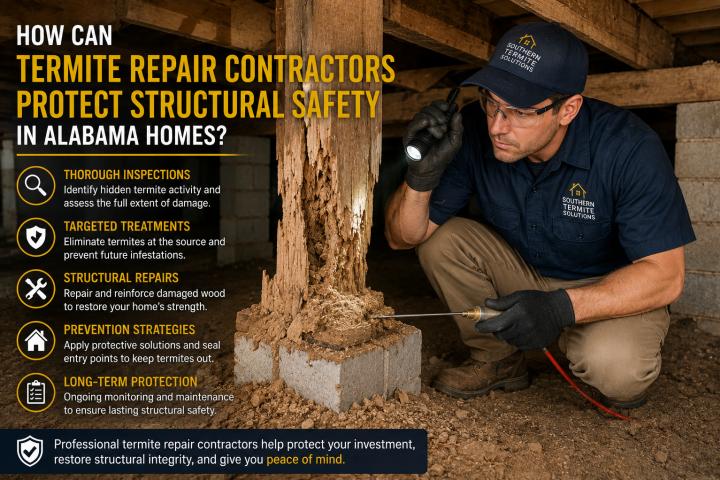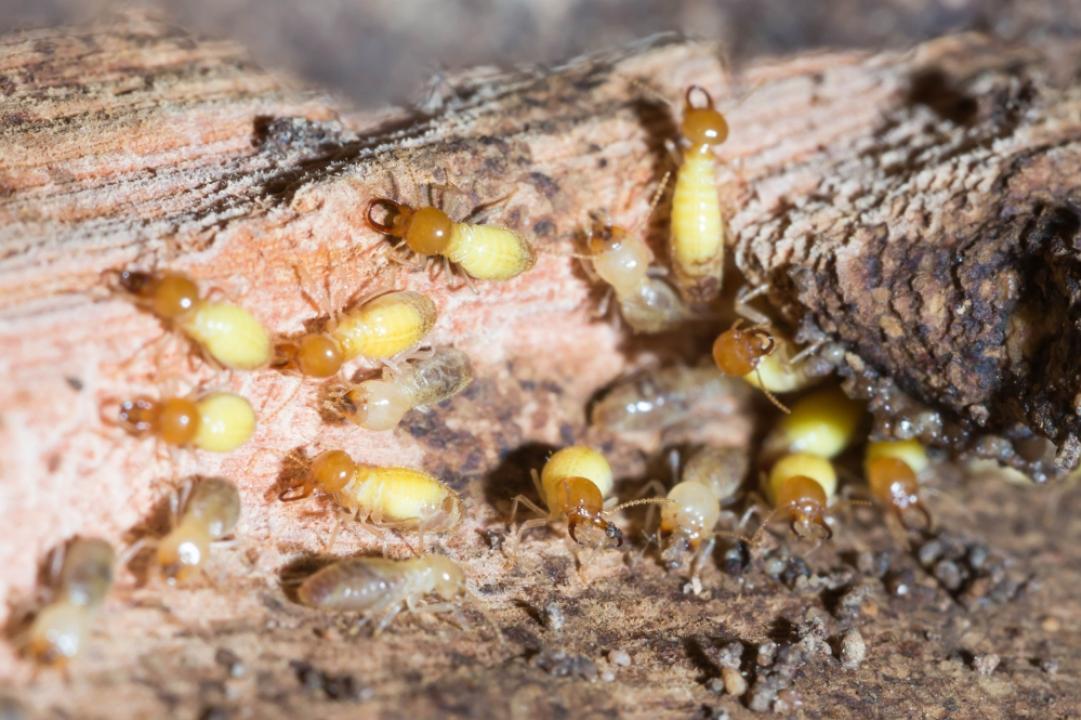

Termites are among the most destructive pests homeowners can face. Known as "silent destroyers," these insects feed on wood, paper, and cellulose-based materials—often causing serious structural damage before anyone even notices. If left untreated, a termite infestation can compromise the integrity of a home and lead to costly repairs.
In this article, we'll walk you through the most common signs of a termite infestation and provide clear steps on what to do next if you suspect these unwelcome guests have invaded your property.
Why Termite Detection Matters
Termites cause hundreds of millions of dollars in property damage annually in Australia. These pests are a major concern for homeowners due to their ability to remain hidden while silently consuming wood and other building materials from the inside out. That’s why early detection is crucial. Recognizing the signs and responding quickly can save you time, money, and stress.
Common Signs of Termite Infestation
Here are the most telltale indicators that termites may be present in or around your home:
1. Mud Tubes
What to look for: Pencil-sized, earth-colored tunnels on walls, foundations, or in crawlspaces.
Why it matters: Subterranean termites build mud tubes to travel between their colony and a food source while maintaining moisture levels. If you see these, it's a strong indicator of an active infestation.
2. Hollow or Damaged Wood
What to look for: Wood that sounds hollow when tapped or crumbles easily when pressed.
Why it matters: Termites eat wood from the inside out. By the time damage is visible externally, the interior may already be seriously compromised.
3. Discarded Wings
What to look for: Small piles of insect wings near windows, doors, or other light sources.
Why it matters: These are often left behind after a termite swarm. Swarmers (reproductive termites) shed their wings after finding a place to mate and form a new colony.
4. Frass (Termite Droppings)
What to look for: Small, wood-colored pellets around entry points or near baseboards.
Why it matters: Drywood termites leave behind droppings (frass) as they tunnel. These droppings are often pushed out of small holes and resemble sawdust or coffee grounds.
5. Swarming Termites
What to look for: Winged termites flying indoors or emerging from walls or soil near your home.
Why it matters: Swarming termites are reproductive members looking to establish new colonies. Their presence indicates either a nearby or already-established infestation.
6. Tight-Fitting Doors and Windows
What to look for: Doors or windows that suddenly become hard to open or close.
Why it matters: Termite activity can cause wood to warp, which affects the fit of doors and windows. This often goes unnoticed until it becomes a daily nuisance.
7. Clicking Sounds in the Walls
What to listen for: Faint clicking or rustling sounds behind walls or in wooden furniture.
Why it matters: Termites are noisy eaters. Soldier termites also bang their heads against tunnel walls to signal danger to the colony.
8. Paint Damage or Bubbling
What to look for: Blistered or bubbling paint, especially on wooden surfaces.
Why it matters: Termite tunnels near the surface can trap moisture, causing paint to bubble or peel. This can often be mistaken for water damage.
What to Do Next: Step-by-Step Guide
If you notice one or more of the signs above, follow these steps to protect your home and eliminate the infestation.
Step 1: Confirm the Infestation
Not all wood damage or flying insects indicate termites. Carpenter ants, moisture issues, or even rodents can cause similar signs. To be sure:
- Conduct a flashlight inspection of basements, crawlspaces, attics, and wooden furniture.
- Tap suspect areas with a screwdriver handle—hollow wood or easily damaged surfaces are a red flag.
- Check for mud tubes along your foundation and walls.
If you’re unsure, move on to the next step.
Step 2: Call a Professional Pest Control Company
Termite control is not a typical DIY job. A licensed pest control professional can:
- Identify the termite species
- Assess the extent of the infestation
- Provide a customized treatment plan
- Use advanced tools like infrared cameras and moisture meters
Many companies offer free or low-cost termite inspections. Always get a written report and quote before agreeing to treatment.
Step 3: Choose the Right Treatment
Depending on the type and severity of the infestation, treatment options include:
- Liquid termiticides: Create a chemical barrier around your home.
- Bait systems: Termites consume poisoned bait and carry it back to the colony.
- Foam treatments: Injected into walls and cracks to kill hidden termites.
- Fumigation: Effective for whole-structure drywood termite infestations.
- Natural treatments: Options like orange oil or boric acid for minor issues.
Your pest control professional will recommend the best approach.
Step 4: Repair and Prevent
Once the infestation is under control:
- Replace damaged wood and structural elements.
- Seal entry points, especially cracks in foundations and walls.
- Eliminate excess moisture by repairing leaks and improving drainage.
- Keep wood away from soil (e.g., firewood or mulch).
- Schedule annual termite inspections as a preventive measure.
Bonus: Preventing Future Infestations
A successful termite treatment is only half the battle. Prevention is key to avoiding another costly problem. Here are some tips for long-term termite control:
- Install physical barriers like stainless steel mesh during construction.
- Use pressure-treated wood for outdoor projects.
- Ventilate crawlspaces and attics to reduce humidity.
- Maintain at least a 6-inch gap between soil and wooden structures.
- Trim trees and shrubs away from your home to reduce wood-to-soil contact.
Conclusion
Termites are a serious threat to your home, but early detection and timely action can save you thousands of dollars in repairs. If you spot any of the warning signs—like mud tubes, discarded wings, or hollow wood—don’t wait. Schedule a professional inspection, choose the right treatment, and take preventive steps to ensure your home remains termite-free.
Remember, when it comes to termites, doing nothing is never an option. The sooner you act, the better your chances of protecting your home from long-term damage.