Contemporary design isn't just about sleek lines and open spaces; it's about how a space feels, functions, and sounds. The sonic environment of a building is no longer an afterthought. It's a central part of how we experience space. Whether it’s a buzzing office, a tranquil library, or a vibrant restaurant, the balance between visual aesthetics and sound control defines true spatial harmony. Enter the unsung hero of modern interiors: Acoustic Treatment.
Sculpting Silence with Technical Fix
Gone are the days when noise control meant adding heavy drapes or bulky ceiling tiles. Today, Acoustic Treatment is an art — seamlessly integrated into the design process, often becoming a visual statement in itself. Designers now work with sound the same way they do with light or color. It’s no longer about muting life; it’s about shaping it.
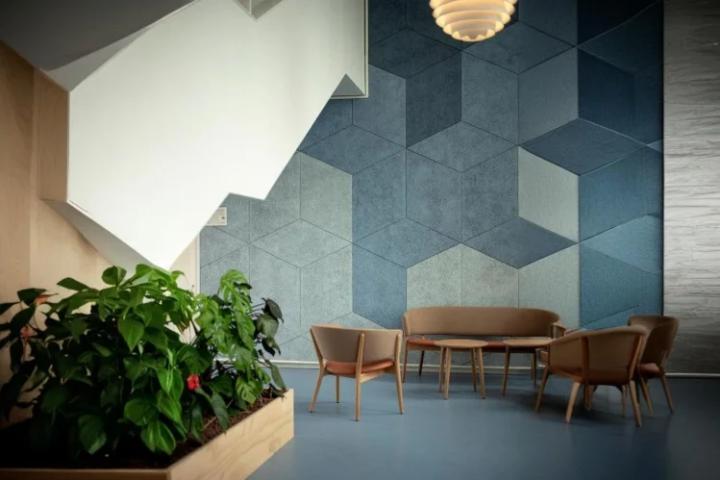
Acoustic Treatment involves manipulating a space to improve sound quality, enhancing desirable sounds like speech and music while minimizing unwanted ones like echoes or outside noise. But unlike traditional approaches, contemporary methods don’t hide — they highlight. Panels become art. Surfaces double as sound modulators. Design becomes multi-sensory.
Rise of Design-Forward Acoustic Materials
Modern acoustics are built on the back of high-performance, eco-conscious Acoustic Materials that do more than just absorb sound. They adapt to environments, express design intent, and often speak the language of sustainability.
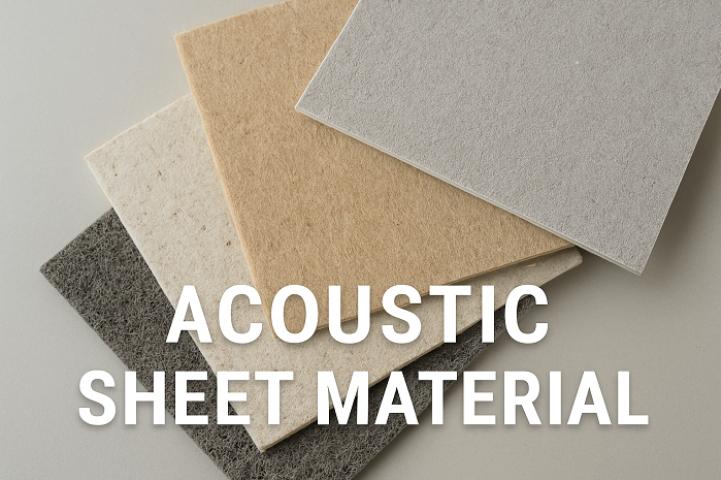
From recycled PET felt panels to timber fins, baffles, and perforated gypsum boards, Acoustic Materials today offer designers flexibility like never before. Whether it’s a custom-printed ceiling tile that doubles as a visual centerpiece or wall panels with sculpted contours, form follows function — but beautifully.
Wood, for instance, isn’t just aesthetically warm. It naturally diffuses sound. Fabric-wrapped panels can soften both tone and texture. Even metal, when perforated with precision, becomes a sound diffuser. These Acoustic Materials don’t hide behind drywall — they take center stage.
Acoustic Zoning: Designing with the Ear in Mind
One of the most compelling shifts in spatial planning is acoustic zoning. This involves strategically applying Acoustic Treatment to differentiate between zones in an open-plan environment — think of a co-working space where quiet pods coexist with collaborative lounges.
Instead of hard partitions, designers now use suspended acoustic rafts, ceiling baffles, and vertical screens made of sound-absorbing Acoustic Materials to define space without compromising openness. These soft barriers not only enhance focus and privacy but also maintain the fluidity and transparency that modern interiors demand.
Acoustic Aesthetics in Public Spaces
The transformation of acoustic design is most noticeable in hospitality and commercial spaces. Cafes, museums, and auditoriums are no longer echo chambers. Instead, they’re environments of curated soundscapes — where conversations feel intimate, music resonates clearly, and ambient noise enhances rather than overwhelms.
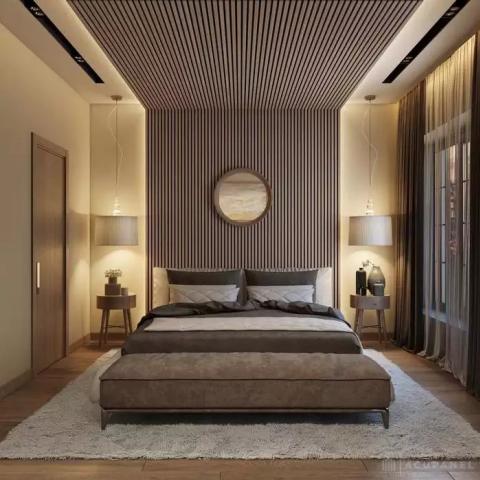
In these settings, Acoustic Treatment becomes part of the narrative. A sculptural ceiling installation made of curved felt panels in a gallery isn’t just beautiful — it creates a cocoon of clarity. A wall covered with wooden slats in a boutique hotel lounge isn’t just rustic — it’s refined sound control.
Wellness Begins with Whisper: The Impact on Occupants
Research increasingly shows that poor acoustics can negatively affect mental health, productivity, and well-being. Whether it's classroom distractions, open-office fatigue, or sensory overload in healthcare settings, the auditory environment matters deeply.
By integrating Acoustic Treatment into the design blueprint from the outset, architects and designers help foster environments where people feel more comfortable, calm, and connected. And it’s not only about reducing decibels — it’s about creating acoustic comfort, the invisible layer of spatial wellness.
Acoustic Materials like PET felt — derived from recycled plastic — are now widely used in schools, hospitals, and wellness centers, not just for their sound performance but also for their environmental contribution. Here, quietness becomes a form of care.
Acoustic Innovation in Surfaces and Furniture
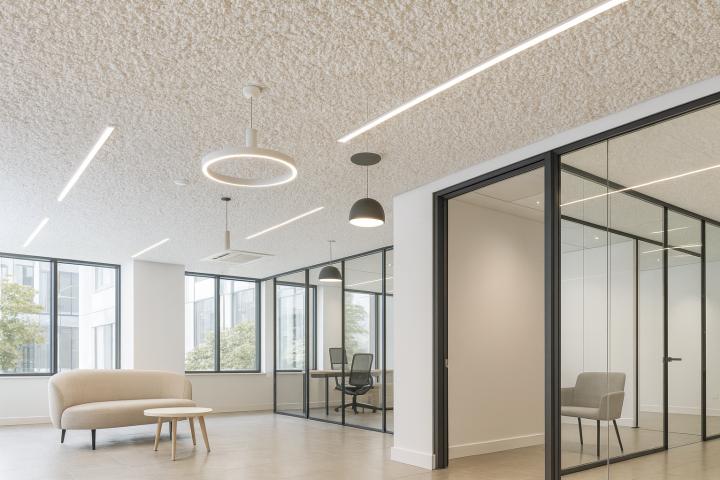
The scope of Acoustic Treatment is rapidly expanding beyond the usual suspects. Acoustic lighting — fixtures that also absorb sound — is now a staple in high-end boardrooms and designer cafes. Upholstered furniture, movable partition screens, and even rugs are being designed with integrated Acoustic Materials to deliver layered sound performance.
The innovation doesn’t stop at the product level. Algorithms and AI tools now help model acoustic behavior in buildings before construction even begins, allowing designers to test and optimize Acoustic Treatment virtually. This predictive design capability is a major leap in performance-based architecture.
A Creative Challenge for Architects
Silence, once considered a void, is now a design element. It requires architects and interior designers to think beyond the visible and explore how sound defines experience. The real challenge — and opportunity — lies in designing spaces where people don’t notice the acoustics because they simply feel right.
To master this, designers must understand the properties of various Acoustic Materials, how sound travels, and how different forms affect reverberation. This technical knowledge must then translate into intuitive, elegant designs that never feel forced.
It’s a delicate balance — but when done right, it transforms spaces.
Conclusion
In a world increasingly shaped by sensory overload, quiet spaces hold more value than ever. Acoustic Treatment is no longer a backend service applied after the build. It’s a central design strategy, and Acoustic Materials are essential components of modern architecture.
Design today is not just seen, it’s heard — or rather, it’s experienced in its fullness when the sound is just right. The art of silence, then, is the new frontier of thoughtful design, where every echo, every whisper, and every pause is part of a greater architectural story. https://www.tranquilglobal.com/contact-us.html