
As the
global climate crisis intensifies, the agricultural sector faces mounting
pressure to adapt and innovate. Traditional farming methods, while
foundational, are no longer sustainable in the face of erratic weather
patterns, soil degradation, and increasing population demands. Climate smart agriculture and farming equipment has emerged as a
transformative solution, blending technology, sustainable practices, and human
innovation. Modern farming is no longer just about planting and harvesting.
It’s about understanding the environment, leveraging advanced equipment, and
aligning with human behaviors that promote sustainability. This shift
represents a significant evolution from labor-intensive methods to data-driven,
resource-efficient systems that ensure both productivity and environmental
stewardship.
Understanding Climate Smart Agriculture (CSA) :-
Definition and Key Principles
Climate smart
agriculture and farming equipment represent a forward-thinking approach to solving the challenges
of modern farming. CSA integrates environmental, economic, and social
considerations to sustainably increase agricultural productivity. It focuses on
three main goals: sustainably increasing productivity, enhancing resilience to
climate change, and reducing greenhouse gas emissions.
The Role of Sustainability in CSA
Sustainability
isn't just a buzzword it's the backbone of CSA. It emphasizes responsible
resource use, preservation of soil health, and long-term ecosystem balance.
Through practices like crop rotation, cover cropping, and precision
agriculture, CSA makes farming more resilient and eco-friendly.
The Rise of Climate Challenges in Farming :-
Global Warming’s Impact on Agriculture
The warming
planet has intensified droughts, floods, and erratic weather patterns. These
disruptions decrease crop yields, increase pest outbreaks, and destabilize food
supply chains. Farmers worldwide are recognizing the need to shift toward
climate-responsive solutions.
Climate-Driven Changes in Crop Yields
Regions once
fertile are now facing water scarcity, while others experience crop failure due
to unexpected frosts or heat waves. This volatility has pushed the agricultural
community to adopt new techniques and tools to remain productive.
Core Benefits of Climate Smart Agriculture and Farming
Equipment
Increased Productivity with Fewer Inputs
CSA techniques
focus on maximizing output while minimizing inputs. With precision farming
equipment like GPS-guided tractors and drone technology, farmers can plant,
irrigate, and harvest more efficiently leading to better yields and less waste.
Enhanced Soil Health and Biodiversity
Conservation
tillage, organic composting, and agro forestry enrich the soil and promote
biodiversity. Healthy soil not only produces more but also acts as a natural
carbon sink, reducing greenhouse gas emissions.
Water Conservation and Efficient Use
Drip
irrigation, soil moisture sensors, and AI-powered water management systems
allow farmers to irrigate only when necessary. This not only saves water but
also protects crops from diseases caused by overwatering.
Reduced Greenhouse Gas Emissions
Modern
machinery powered by renewable energy or biofuel, and practices that reduce
soil disturbance, drastically lower emissions. Farmers are now playing an
active role in combating climate change.
Advanced Farming Equipment Empowering CSA :-
Precision Agriculture Tools
Tools such as
GPS mapping, soil sensors, and satellite imagery help farmers make data-driven
decisions, reducing input costs and environmental impact.
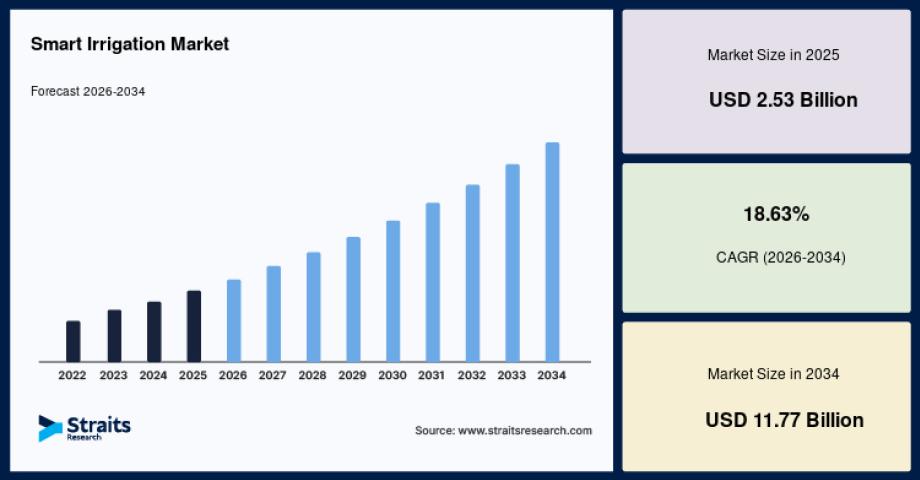
Smart Irrigation Systems
Automated
irrigation systems adjust watering schedules based on weather forecasts and
soil conditions. This technology ensures crops get just the right amount of
water.
Low-Emission Tractors and Machinery
Electric and
hybrid tractors are slowly replacing diesel-powered ones, reducing fuel
consumption and emissions. Equipment innovation is making climate smart
agriculture and farming equipment accessible even to small-scale farmers.
Human Behavior and the Shift Toward CSA:-
Adoption Among Smallholder Farmers
Smallholder
farmers are often the most vulnerable to climate shifts. Many are now adopting
CSA practices thanks to community programs and NGO support. Their behavior is shifting
from survival-based farming to sustainability-focused methods.
Resistance to Technological Change
Not all farmers
embrace CSA immediately. Fear of high costs, unfamiliarity with tech, and
skepticism about benefits slow adoption. Behavioral change initiatives—like
peer testimonials and field demonstrations are essential.
Behavioral Incentives for Sustainability
Subsidies,
recognition programs, and community rewards are encouraging farmers to adopt
CSA. When sustainable behavior is rewarded, adoption rates increase
significantly.
Economic Impact of CSA and Equipment Innovation:-
Cost-Effectiveness for Farmers
Though the
initial cost of equipment may be high, long-term savings from reduced input
use, increased yields, and minimized losses make CSA economically viable.
Long-Term Return on Investment
Farmers
investing in smart tools and sustainable practices often see a significant ROI within a few seasons. This financial
incentive is a major driver of behavior change.
Government and Policy Support:-
Incentives and Subsidies for Smart Equipment
Many
governments now offer tax breaks and subsidies for purchasing climate smart
agriculture and farming equipment. These programs lower the barrier to entry
for farmers.
International CSA Programs
Programs like
FAO’s Climate-Smart Agriculture Sourcebook and the World Bank’s CSA initiatives
offer funding, research, and policy support to encourage global adoption.
Climate Smart Agriculture and the Role of Data:-
Real-Time Monitoring and Forecasting
Smart sensors
collect data on temperature, humidity, and soil nutrients. Farmers use this
information to make precise decisions that optimize yields and reduce waste.
AI and IoT in Decision-Making
Artificial
intelligence and the Internet of Things (IoT) help predict weather patterns,
detect crop diseases, and suggest optimal planting times making farming more
predictive than reactive.
CSA and Community Empowerment:-
Training Programs and Workshops
Workshops
conducted by agricultural extension officers and NGOs educate farmers on CSA
benefits and equipment usage. These sessions empower communities to be
self-sufficient.
Collective Farming and Knowledge Sharing
Farmer
cooperatives promote shared ownership of expensive machinery and exchange best
practices, making CSA more accessible and scalable.
Environmental Conservation through CSA:-
Agro forestry and Carbon Sequestration
Integrating
trees with crops not only enriches soil but also captures atmospheric carbon.
This dual function makes agro forestry a staple of CSA.
Wildlife and Pollinator Support
By minimizing
pesticide use and planting native species, CSA creates a habitat for bees,
birds, and other pollinators essential for ecosystem balance.
CSA Success Stories Around the World :-
Case Studies from Africa, Asia, and Latin America
In Kenya,
solar-powered irrigation has transformed arid farms. In India, smart seeders
and mobile soil labs are boosting crop yields. Latin American cooperatives are
adopting biofertilizers and drone mapping for crop monitoring.
Challenges and Limitations of CSA:-
High Initial Investment in Equipment
Smart equipment
can be costly. Without subsidies or financial support, small farmers may find
it difficult to transition.
Technical Knowledge Gaps
A lack of
training and digital literacy hinders the widespread use of CSA tools. Bridging
this gap is essential for scale.
Future Trends in CSA and Equipment:-
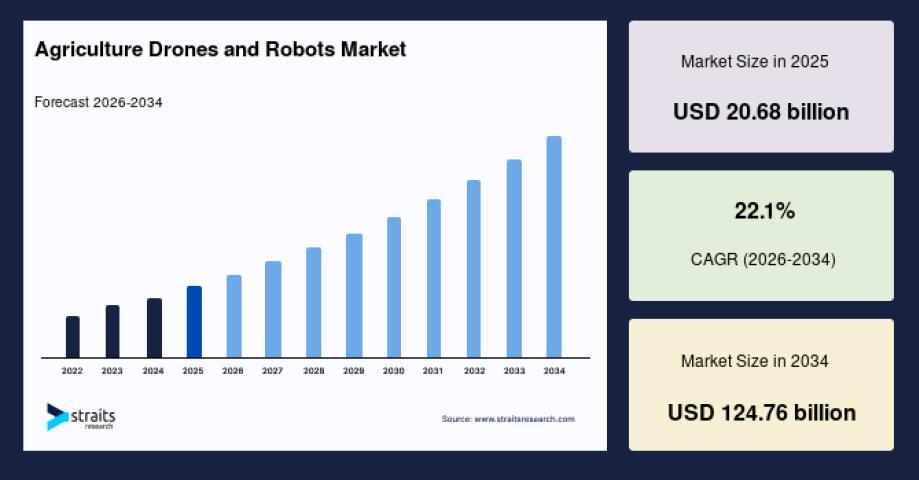
Automation and Robotics
Autonomous
machinery for planting, weeding, and harvesting is on the rise. These tools save
labor and enhance precision.
Climate Resilient Seed Technologies
Seeds
engineered to withstand drought, heat, or pests are becoming more common. When
paired with CSA practices, they offer a double layer of resilience.
How Consumers Influence CSA Practices
Demand for Sustainable Products
Consumers are
demanding transparency and eco-friendly practices. This pressure pushes
retailers and suppliers to support farmers who adopt CSA.
Conscious Consumerism and Traceability
With block
chain and supply chain tracking, buyers can now trace food back to its source,
ensuring it was grown sustainably.
REMARK
Climate smart agriculture and farming equipment are more than modern innovations they’re
essential responses to our changing world. As climate change accelerates, it’s
crucial for human behavior to evolve toward more sustainable, adaptive, and
efficient farming practices. Embracing smart technologies like precision tools,
automated systems, and sustainable inputs empowers farmers to produce more with
less, while protecting natural resources. Beyond the fields, community-driven
knowledge sharing and policy support amplify these efforts. Climate smart
agriculture and farming equipment pave the way for a resilient future one that secures food,
supports livelihoods, and safeguards the planet for generations to come. The
time to act is now.
FAQs
1. What is climate smart agriculture and farming
equipment?
Climate smart
agriculture and farming equipment combine sustainable farming practices with
advanced tools to adapt to and mitigate climate change.
2. How does CSA improve crop yields?
By optimizing
inputs and using real-time data, CSA ensures crops receive ideal conditions,
boosting productivity.
3. Is CSA suitable for small-scale farmers?
Yes, with
proper support and training, CSA can be highly beneficial even for smallholder
farmers.
4. What are examples of CSA equipment?
Smart irrigation
systems, electric tractors, GPS-guided tools, and soil sensors are some
examples.
5. How do CSA practices help the environment?
They reduce
emissions, conserve water, enrich soil, and support biodiversity.
6. Are there government subsidies for CSA equipment?
Yes, many
countries provide financial incentives to promote the adoption of climate smart
tools.