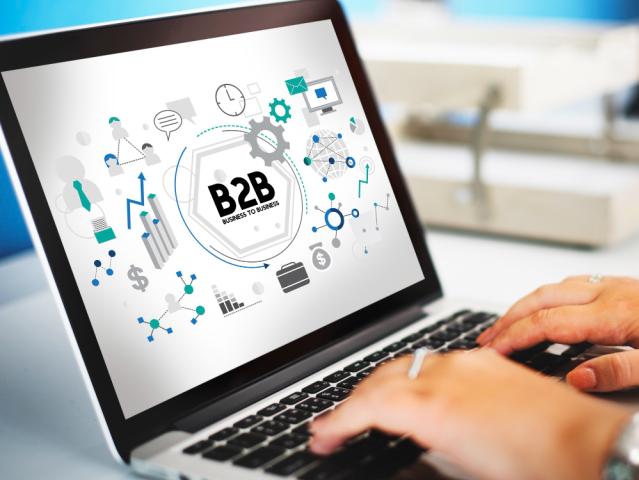
Let's face it, travel today looks nothing like it did even a decade ago. From flipping through glossy brochures at agencies or booking entire vacations with just a few taps on Your phone the industry has completely gone digital. Whether it's someone booking a family trip or a corporate agent arranging travel for dozens of employees everything is happening online. Because of this digital transformation having a powerful and reliable online travel portal is no longer a luxury, it's a necessity. And not just any portal, a smart , scalable and user-friendly one that fits your business model whether you are B2C, B2B or anywhere in between. In this guide you can learn everything about B2B Travel Portal Development.
Why is choosing the right development partner for a B2C travel portal so important?
The development partner you choose will directly impact how your customers experience your brand. A good partner can make your life really easy, boost your business growth, streamline operations and even improve your customer satisfaction. On the flip side if you make a poor choice it can lead to technical headaches, lost revenue and even unhappy customers. So how do you choose the right one
Understanding your specific requirements B2B versus B2C
Before you look up a partner for B2C Travel Portal Development you need to know exactly what you are building. Your requirements will differ based on whether our audiences are end customers or travel agents.
1. B2C travel requirements
Ideally, B2C Travel Portal It's for everyday travelers, the individual or the family looking to plan their next trip. That means your platform should be inviting, easy to use and full of rich features. Think of clear design, fast load times and smooth navigations. Your users should not need a manual to make a booking. Users should be able to search for flights, hotels packages and car rentals easily and also apply filters.
You must include multiple payment options and make sure the transactions are safe and encrypted. Live chat help desks and automated FAQs truly go a long way in building trust and solving problems quickly. AI-driven tools that suggest destinations packages or discounts based on your user preference or past searches can make it easy for you to customize the travel engine stop
2. B2B travel needs
You must go for B2B Travel Portal Development if you look forward to serving travel agents, distributors or corporate clients. These platforms are more complex and must handle multiple agents inventory and financial transactions effectively. Agent and subagent management is easier as there are different user roles, commission settings, and commission levels. The portal must have a centralized control over the pricing of flights, hotels and other things often across multiple agents. Credit management makes it very easy for agents to book now and pay later based on a credit system with billing and tracking tools. Ensure that the tool has seamless connections to systems like mods and 3rd-party aggregators. Custom dashboards play a crucial role to track agent performance revenue booking trends and more. With white labeling agents can easily resell under their own branding using your core platform.
3. Hybrid models B2C and B2B
Some businesses serve both customers and agents. The hybrid portals need to combine both the feature sets like dual interface tiered access and Commission rules besides shared inventory but customized pricing. If you fall into this category make sure that the development partner understands both the sites and can help you build the portal accordingly.