While the world is faced with an escalating waste crisis, fresh data show a devastating trend: global recycling rates will be declining by 2025. Most nations are struggling to maintain effective waste management systems in the wake of increased environmental sustainability consciousness. It has been found that the decline has been caused partly by inadequate infrastructure, contamination in recycling flows, and unstable market demand for recyclables.
For businesses and households looking to recycle in good faith substantial quantities of refuse, the hire of a 2 Cubic Yard Skip could be an effective measure which offers segregation and appropriate disposal and thus reduces inputs into landfill. This research examines the primary reasons for falling rates of recycling, reviews regional differences, and considers strategies to reverse this worrying trend. We outline the traps and opportunities of waste management around the world, from policy collapse to consumers' habits.
Contamination of Recycling Rivers
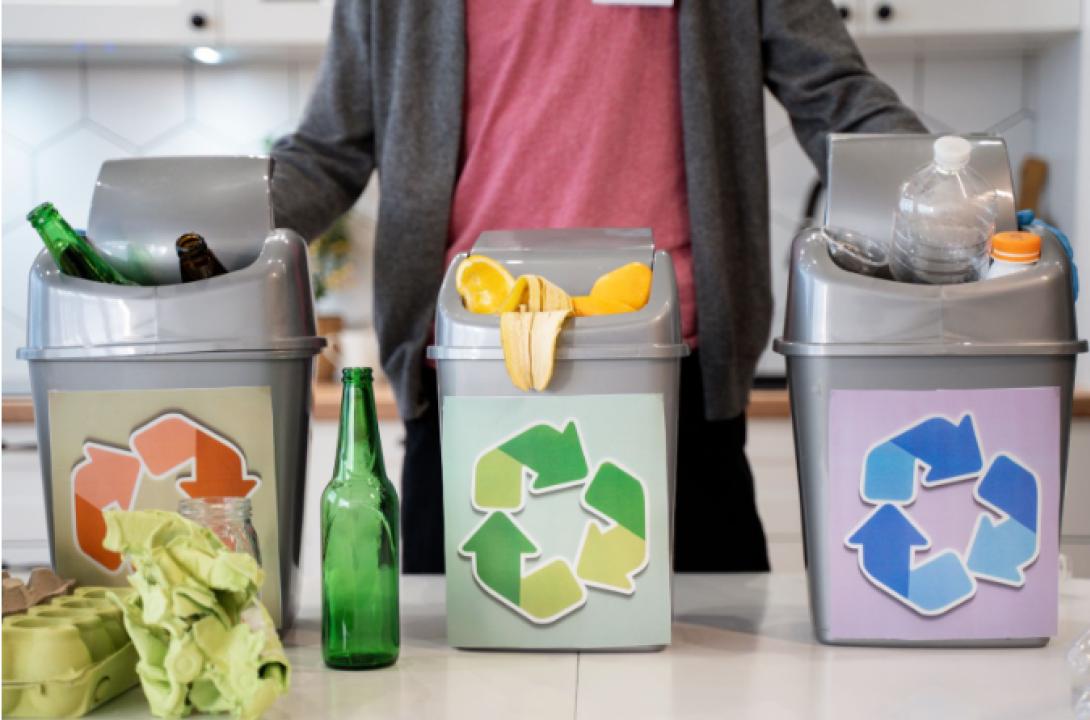
Contamination of unrecyclable materials mixed with recyclables is one of the primary impediments to effective recycling. Recycling bins sometimes contain food waste, plastic wrap, glass containers, and poisonous materials; hence, factories are compelled to reject whole shipments. Most consumers are unaware of segregation regulations, thus resulting in more processing expenses and low-quality recyclate. Governments are compelled to invest in public education campaigns to try and improve garbage segregation. The economic applicability of recycling programs declines with impure recycling streams, thus giving birth to the world recession.
Ineffective Recycling Infrastructure
Excluding most areas, there is not a single area that has the necessary infrastructure to process higher volumes of waste efficiently. Obsolete sorting facilities, irregular collection schemes, and the absence of recycling plants inhibit development. Less developed nations are especially burdened by a lack of funds for waste management initiatives. Inconsistent policies and insufficient financing of modern recycling technology hold back development even in more advanced countries. Reversal of the declining trend of recycling requires more advanced infrastructure with more local processing centres and improved sorting machinery.
Demand Shrinkage for Recycled Products
The paper, metal, and plastic market is very volatile. Reduced demand is experienced because virgin plastics are cheaper to produce than recycled ones due to the drop in oil prices. Another source of upset in world recycling markets was created when China banned waste imports from abroad in 2018, leaving several countries without steady buyers for their recyclables. Without a steady demand, recycling programs cannot become profitable. Policymakers need to provide tax reductions and legislation that will motivate the use of increased recycled content by businesses to stabilise the market.
The Application of Single-Use Plastics Continues to Increase
Single-use plastic production and utilisation continue to be at a high level despite the world's ongoing efforts to reduce plastic waste. While plastic bags and straws have been prohibited in some countries, regulation is typically weak. More so from online businesses, packaging waste has propagated like wildfire and burdened recycling plants. Plastic pollution will persist to obstruct recycling unless tighter regulations and actual alternatives are established. Lightening the burden on recycling plants depends on a shift to compostable and reusable products.
Inconsistency of Recycling Regulations
Due to the variation in recycling acts between cities and countries, customers become confused. A city or country takes in plastics while another does not, thus contaminating. Synchronised waste management is not easily feasible without international standards. It would reduce contamination immensely and would increase participation levels to an outstanding degree if acts of recycling were standardised and there was more labelling on package designs. To make recycling accessible to households and companies, governments need to collaborate to develop standardised standards.
Expensive Recycling Schemes
It costs money to run recycling facilities, and some cities are finding it difficult to pay for them. It costs money to collect, separate, and process; when recyclable commodity prices drop, schemes become unaffordable. Recycling schemes have been cut by some towns, or more waste has been dumped in landfills in an attempt to be cheaper. Keeping recycling financially viable in the long term is complemented by other government grants and corporate firm partnerships.
Fast Fashion and Electronic Waste Influence
Mass production of technology and disposable clothing has brought new issues for recycling centres. Recycling of e-waste and such clothing is a challenging issue, and recycling centres lack the equipment to recycle them. Such electronics and clothing are in record numbers being sent to landfills, and special recycling solutions are in dire need to prevent such items from ending up in landfills.
Conclusion
Low 2025 recycling rates globally are an indication of a failure within the waste system, ranging from contamination and infrastructure to market volatility and consumerism. This is something that can be addressed through a collective effort by governments, industry, and citizens. Industry and consumers can take action now by embracing good waste management and correctly disposing of materials. If left unaddressed, the world is at risk of losing further environments, and hence, there needs to be a change in recycling systems by way of innovation, education, and stronger policies.
Visit promoteproject for more informative blogs.