
When an emergency hits—whether it’s a power outage, fire, or security breach—response time and coordination can mean the difference between disruption and disaster. In complex facilities like hospitals, schools, government buildings, and corporate campuses, relying on outdated emergency plans or verbal protocols is no longer enough.
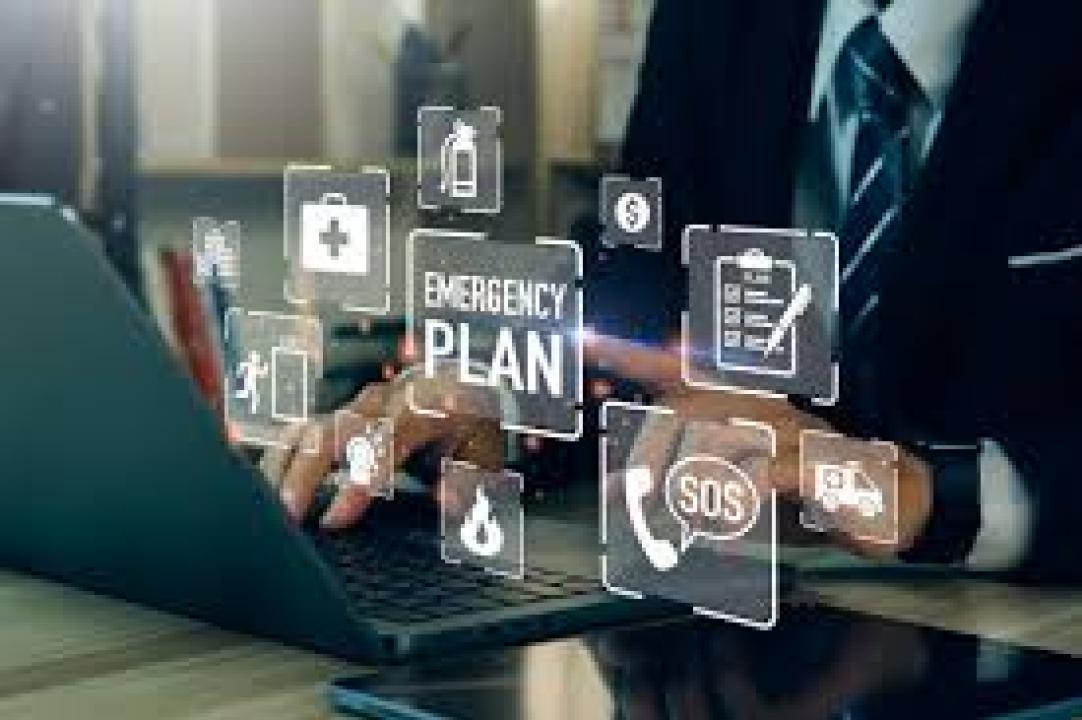
The modern solution is emergency management software—a digital tool designed to centralize emergency procedures, coordinate responses in real time, and give facility teams mobile access to critical information. This approach is quickly becoming essential in organizations committed to safety and resilience.
Why Traditional Emergency Planning Falls Short
Most facilities already have emergency protocols in place, but too often these are static documents tucked into filing cabinets or scattered across departments. These plans may be out-of-date, inaccessible when needed, or forgotten altogether during an actual crisis.
Emergency management software resolves these issues by digitizing emergency plans and making them accessible through desktop or mobile platforms. Teams can follow role-based action steps, access interactive building maps, and send real-time alerts—all from one interface.
Key benefits include:
-
Instant access to evacuation maps, safety checklists, and emergency contacts
-
Role-specific assignments and live task tracking
-
Alerts and communication tools to reach stakeholders
-
Documentation of all response actions for compliance and review
With these features, facility teams can respond with clarity and speed, even under intense pressure.
The Role of Crisis Management Software
Emergencies don’t just affect a facility’s day-to-day operations—they often disrupt leadership workflows, communication strategies, and stakeholder trust. That’s where crisis management software comes in.
This layer of technology supports the broader, strategic side of emergency response. While facility teams handle the operational response, crisis software helps coordinate decision-making, document executive actions, and communicate with employees, media, and public agencies.
Use cases include:
-
Coordinating leadership teams across departments or locations
-
Tracking decisions and resources in real time
-
Managing consistent communication across multiple platforms
-
Monitoring crisis progression via dashboards and data feeds
Together with emergency response tools, crisis platforms ensure that every level of the organization is informed, aligned, and equipped to manage the broader implications of an incident.
Why Facility Management Tools Are Essential in Emergencies
No emergency response is complete without understanding the physical environment. Facility teams often need to make fast decisions about building infrastructure—shutting off water, disabling power, verifying fire systems, or locating safety equipment.
This is where facility management tools come into play. These platforms store detailed information about building systems, assets, and maintenance records. During a crisis, they can help responders quickly access:
-
Locations of shut-off valves, fire suppression systems, or emergency exits
-
Service histories for safety equipment
-
Digital blueprints and building schematics
-
Compliance data and inspection reports
By integrating this data into emergency platforms, teams gain context and confidence. They no longer rely on guesswork or incomplete memory. Instead, they use current, actionable data to respond effectively and minimize damage.
Integration Brings It All Together
Individually, emergency, crisis, and facility tools each provide important functionality. But when integrated into a single digital ecosystem, they transform how facilities prepare for and respond to emergencies.
Benefits of this integration include:
-
Streamlined coordination between teams on the ground and leadership
-
Faster recovery time due to access to accurate infrastructure data
-
Fewer errors thanks to digital task lists and real-time updates
-
Improved documentation for insurance claims and regulatory review
-
Ongoing improvement through post-event analysis and feedback loops
Facilities that embrace integration move beyond reacting to incidents—they start anticipating and managing them with structure and agility.
Sectors Leading the Way
Digital emergency platforms are being adopted across a range of industries:
-
Education: Schools and universities use them to manage lockdowns, weather events, and mass communication.
-
Healthcare: Hospitals rely on emergency tools to safeguard patients and equipment during outages or public health emergencies.
-
Government: Municipal facilities benefit from standardized protocols that improve coordination across departments.
-
Corporate campuses: Large organizations use software to manage disruptions and ensure safety compliance at scale.
In each case, technology is helping bridge the gap between planning and execution.
Training and Practice: Making the Tools Work
A system is only as effective as its users. That’s why many emergency software platforms support simulation tools, practice drills, and customizable workflows. These features help teams build muscle memory, test response times, and identify gaps before a real emergency occurs.
Regular training ensures that staff are confident not just in the plan, but in the technology that supports it.
Conclusion
Effective emergency response is about more than reaction—it’s about preparation, coordination, and real-time decision-making. By combining emergency management software with crisis management solutions and facility management tools, organizations gain a powerful, integrated approach to safety and resilience.
Solutions like those from ARC Facilities support this mission by offering mobile access to building data, emergency protocols, and infrastructure maps—so that teams can act quickly, accurately, and with full situational awareness.