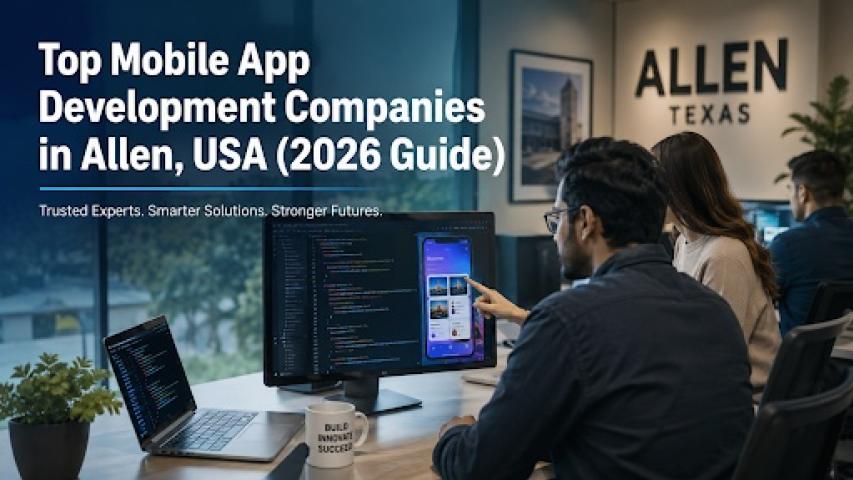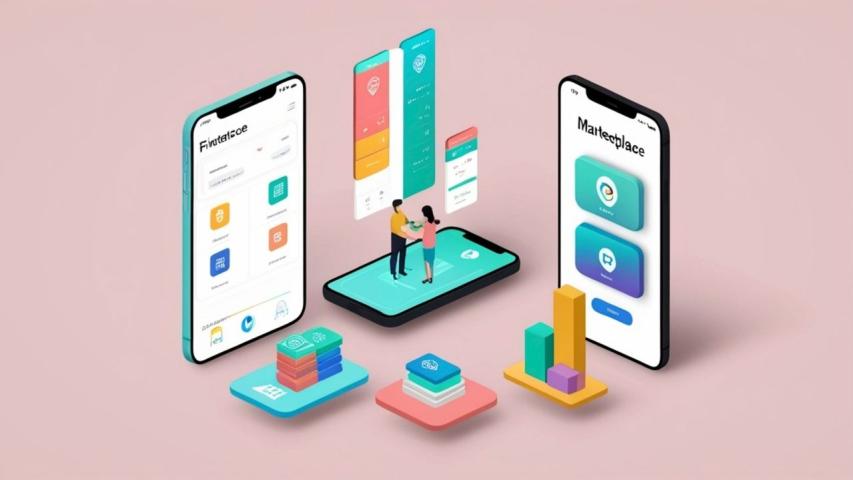
A mobile app development company in 2025 is expected to offer faster delivery, smarter technology use, broader platform support, and better security—all built around user experience and business growth.
With new demands in mobile technology, companies are shifting their approach to meet the needs of modern users and businesses alike. Here's what businesses can expect from a mobile app development partner in the coming years, shaped by trends, practical solutions, and smarter execution.
Smarter Mobile App Development Services for Startups
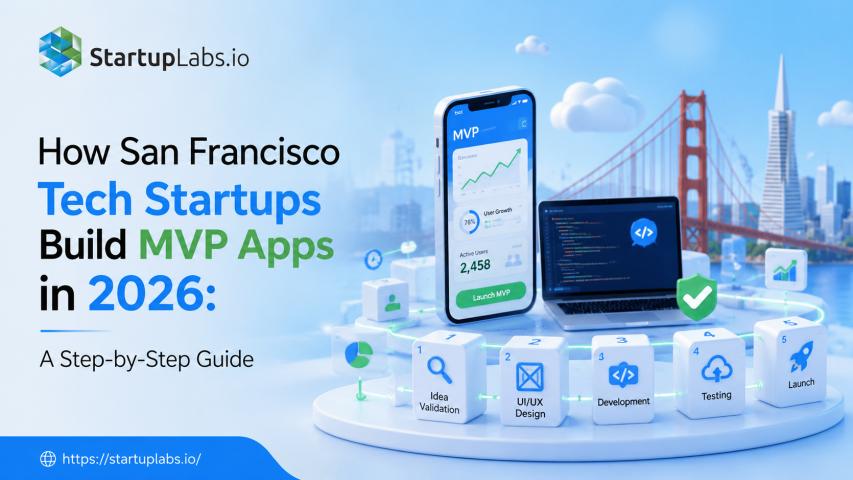
Startups in 2025 need apps that launch fast and grow with user demand. Mobile app developers for startups are expected to work with advanced tools that speed up delivery without reducing quality.
Firms will likely offer ready-to-use modules, cloud-native development, and built-in analytics—helping startups build faster and scale quicker.
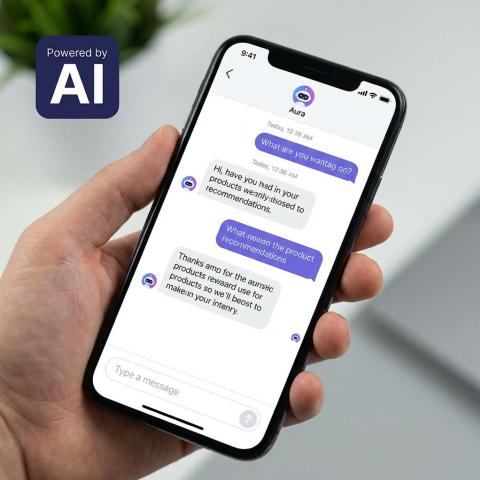
Startups looking for mobile app development services will find more firms using AI to assist with user behavior prediction, error tracking, and even code optimization.
Custom App Development Solutions That Fit New User Habits
As user expectations shift, custom app development solutions will focus on personalization, minimalism, and cross-device compatibility. Apps built for business success in 2025 will be designed around real usage data.
A custom mobile application is expected to support smart suggestions, offline mode, and smooth operation on both mobile and wearable devices. Businesses will need app developers who understand real-world app usage and build features that match.
Dedicated App Development Teams Will Use More Automation
A dedicated app development team will likely include not just developers and designers, but automation experts too. Repetitive testing, updates, and bug tracking will be handled through automated tools, making the release cycle shorter.
Project managers will coordinate through live dashboards, and QA teams will use automated performance testing tools to keep delivery on time and bugs to a minimum.
Enterprise Mobile App Development Will Support Hybrid Work
Mobile app development for enterprises is expected to focus more on remote productivity and secure access to data. Apps will come with built-in VPN support, role-based access, and real-time collaboration tools.
Enterprise businesses will demand mobile solutions that work equally well on phones, tablets, and desktops. Development firms will focus on flexible frameworks that serve this demand without writing separate codebases.
Scalable Mobile App Architecture Will Be a Default Expectation
Any business planning to scale will require scalable mobile app architecture by default. This includes flexible backend services, real-time sync, and the ability to grow without downtime.
Developers will use container-based services, like Docker and Kubernetes, to make sure the app works well across different server environments.
App Development for Business Automation Will See Growth
Mobile apps are expected to do more than serve customers. They will help internal teams automate tasks. With app development for business automation, companies will create internal tools for tracking, approvals, and communication.
These apps will reduce paperwork, speed up decision-making, and improve accuracy across departments.
Hybrid App Development Services Will Expand Market Reach
In 2025, hybrid app development services will remain popular for companies looking to launch on Android and iOS at the same time. Tools like Flutter and React Native are expected to grow, with even better support for device features.
Hybrid apps will include smoother animations, better push notifications, and faster updates—all important for customer satisfaction and retention.
Outsource App Development With Higher Transparency
Firms that offer to outsource app development will provide better visibility and communication. Clients can expect regular updates, open-source code options, and shared access to progress dashboards.
These practices will help reduce miscommunication and keep development focused on the right goals.
Partner with a trusted mobile app development company to build future-ready solutions that grow with your business.
Enterprise Mobility Solutions Will Be Built for Flexibility
Enterprise mobility solutions in 2025 will no longer be limited to mobile apps—they will include access to business tools from any device. Whether employees are in the office or on the move, these tools will stay secure and easy to use.
Businesses will expect mobile apps that integrate with CRM systems, data dashboards, and task managers—supporting decision-making wherever teams are based.
UX-Focused App Design Will Be Central to User Retention
Apps built in 2025 will focus heavily on usability. UX-focused app design will involve fast loading times, simplified user flows, and features based on actual user behavior data.
Designers will use tools that track eye movement and touch behavior to create layouts that keep users engaged. Accessibility features will be standard, including support for voice control, high-contrast modes, and keyboard navigation.
Ongoing App Maintenance and Support Services Will Be More Predictive
App maintenance and support services are expected to shift from reactive fixes to predictive support. AI-based monitoring tools will detect possible errors, drop in performance, or spikes in data usage—alerting developers before users even report an issue.
This will help keep apps live, smooth, and secure—reducing downtime and building user trust over time.
Conclusion
From faster development and smarter automation to cross-platform support and better user design, a mobile app development company in 2025 is expected to deliver more practical and forward-looking solutions. Businesses working with development partners will gain access to tools, teams, and systems built for both current needs and long-term goals.