
In today's digital landscape, user experience (UX) has become the cornerstone of successful web development projects. Companies that prioritize UX in their development process see 75% higher conversion rates and 67% better customer retention compared to those that don't. This comprehensive guide will walk you through everything you need to know about hiring a UX-first web development team that delivers exceptional results.
What is UX-First Web Development?
UX-first web development is an approach that places user experience at the center of every development decision. Unlike traditional development methods that focus primarily on functionality, UX-first development ensures that every element of your website serves a purpose in creating an intuitive, engaging, and conversion-optimized user journey.
This methodology involves:
- User research and analysis before any coding begins
- Wireframing and prototyping to test concepts early
- Iterative design and development based on user feedback
- Continuous testing and optimization throughout the project lifecycle
Why Choose a UX-First Approach?
Enhanced User Satisfaction
When development teams prioritize UX from the start, they create websites that truly resonate with users. This leads to longer session durations, lower bounce rates, and higher engagement metrics that directly impact your bottom line.
Improved Business Outcomes
UX-first development delivers measurable business results. Companies investing in UX see an average ROI of $100 for every $1 spent on UX improvements. This dramatic return comes from increased conversions, reduced support costs, and improved customer lifetime value.
Competitive Advantage
In saturated markets, superior user experience becomes a key differentiator. A UX-first approach helps you stand out from competitors who may have similar features but lack the thoughtful design that makes users choose your platform over others.
The UX-First Development Process
Phase 1: Discovery and Research
The foundation of any successful UX-first project begins with comprehensive user research. This phase typically includes:
User Persona Development: Creating detailed profiles of your target audience based on real data and behavioral insights.
Competitive Analysis: Evaluating competitor websites to identify opportunities and industry best practices.
Technical Requirements Assessment: Understanding the technical constraints and possibilities that will influence design decisions.
Phase 2: Strategy and Planning
During this phase, the team develops a clear roadmap that aligns business objectives with user needs:
Information Architecture: Organizing content and functionality in a logical, user-friendly structure.
User Journey Mapping: Plotting the paths users take to accomplish their goals on your website.
Feature Prioritization: Determining which features will have the greatest impact on user experience and business outcomes.
Phase 3: Design and Prototyping
This is where the UX-first approach truly shines:
Wireframing: Creating low-fidelity blueprints that focus on functionality and layout without visual distractions.
Interactive Prototyping: Building clickable prototypes that simulate the user experience before development begins.
Visual Design: Applying your brand identity while maintaining focus on usability and conversion optimization.
Phase 4: Development and Testing
The development phase in a UX-first approach is characterized by:
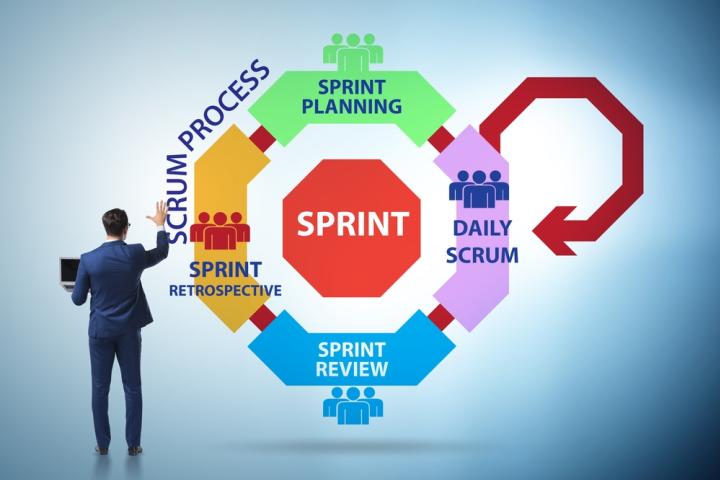
Agile Development: Building in short sprints with regular user testing and feedback incorporation.
Cross-Device Optimization: Ensuring consistent user experience across all devices and screen sizes.
Performance Optimization: Maintaining fast loading times and smooth interactions that support positive user experience.
Phase 5: Launch and Optimization
Post-launch activities focus on continuous improvement:
Analytics Setup: Implementing comprehensive tracking to monitor user behavior and identify optimization opportunities.
A/B Testing: Testing different elements to continuously improve conversion rates and user satisfaction.
Regular Updates: Making data-driven improvements based on user feedback and performance metrics.
Pricing Models for UX-First Development
Project-Based Pricing
Most UX-first development projects use fixed-price models ranging from $15,000 to $150,000+ depending on complexity. This model works best when:
- Project scope is well-defined
- Timeline is flexible
- You want predictable costs
Small Business Websites: $15,000 - $35,000 Medium Complexity Sites: $35,000 - $75,000 Enterprise Solutions: $75,000 - $150,000+
Hourly Rate Structure
Hourly rates for UX-first teams typically range from $75 to $200+ per hour based on:
- Team location and expertise level
- Project complexity
- Timeline requirements
Junior Level Teams: $75 - $125/hour Mid-Level Teams: $125 - $175/hour Senior Level Teams: $175 - $250/hour
Retainer Agreements
Monthly retainers ($5,000 - $25,000+) work well for:
- Ongoing optimization projects
- Long-term partnerships
- Continuous improvement initiatives
How to Choose the Right UX-First Development Team
Essential Qualifications to Look For
Portfolio Quality: Review case studies that demonstrate measurable improvements in user experience metrics. Look for projects similar to yours in scope and industry.
Technical Expertise: Ensure the team has experience with modern development frameworks, responsive design, and performance optimization techniques.
UX Research Capabilities: Verify that the team conducts user research, usability testing, and data analysis as part of their standard process.
Communication Skills: Choose teams that provide regular updates, involve you in the decision-making process, and can explain technical concepts in business terms.
Red Flags to Avoid
Portfolio Lacking UX Focus: If a team's portfolio shows only visually appealing designs without evidence of user research or testing, they may not truly follow UX-first principles.
Unrealistic Timelines: Teams that promise extremely fast delivery often cut corners on the research and testing phases that make UX-first development effective.
Lack of Process Documentation: Professional UX-first teams should have documented processes and be able to explain their methodology clearly.
Key Questions to Ask Potential Teams
About Their UX Process
- How do you conduct user research for projects like mine?
- What tools do you use for prototyping and user testing?
- How do you measure the success of UX improvements?
About Project Management
- What is your typical project timeline?
- How do you handle scope changes and revisions?
- What level of client involvement do you expect?
About Technical Capabilities
- What technologies and frameworks do you specialize in?
- How do you ensure cross-browser compatibility?
- What is your approach to website performance optimization?
Tips for a Successful Partnership
Set Clear Expectations
Define success metrics upfront, including specific KPIs like conversion rates, user engagement metrics, and business outcomes you want to achieve.
Provide Comprehensive Briefs
Share detailed information about your target audience, business goals, brand guidelines, and any technical constraints that might impact the project.
Maintain Open Communication
Schedule regular check-ins and feedback sessions. The best UX-first projects involve close collaboration between client and development team.
Trust the Process
UX-first development may take longer initially, but the research and testing phases prevent costly revisions later and ensure better final results.
Measuring ROI of UX-First Development
Key Performance Indicators
Track these metrics to measure the success of your UX-first development investment:
Conversion Rates: Monitor how UX improvements impact your primary conversion goals.
User Engagement: Measure time on site, pages per session, and bounce rates.
Customer Satisfaction: Use surveys and feedback tools to gauge user satisfaction improvements.
Business Metrics: Track revenue, lead generation, and customer acquisition costs.
Long-term Benefits
UX-first development provides compound returns over time:
- Reduced support costs due to more intuitive interfaces
- Higher customer lifetime value through improved user satisfaction
- Better search engine rankings due to positive user experience signals
- Competitive advantage in user acquisition and retention
Common Mistakes to Avoid
Choosing Based on Price Alone
While budget is important, selecting the cheapest option often leads to poor results. Focus on value and ROI rather than just upfront costs.
Skipping the Research Phase
Rushing into development without proper user research leads to websites that look good but don't perform well for your actual users.
Neglecting Mobile Users
With mobile traffic accounting for over 60% of web traffic, failing to prioritize mobile UX can significantly impact your results.
Ignoring Performance
Beautiful designs mean nothing if your website loads slowly. Ensure your team balances aesthetics with performance optimization.
The Future of UX-First Development
Emerging Trends
- AI-Powered Personalization: Using machine learning to create personalized user experiences
- Voice User Interfaces: Designing for voice search and smart speakers
- Accessibility-First Design: Ensuring websites work for users with disabilities
- Micro-Interactions: Adding subtle animations that enhance user experience
Preparing for Change
Choose development partners who stay current with industry trends and can adapt their approach as user expectations evolve.
Conclusion
Hiring a UX-first web development team is an investment in your business's digital future. By prioritizing user experience from the start, you'll create websites that not only look professional but also drive real business results through improved user satisfaction and conversion rates.
Remember that the cheapest option is rarely the best value when it comes to UX-first development. Focus on finding a team with proven experience, a solid process, and the ability to deliver measurable improvements to your user experience.
Take the time to properly vet potential partners, ask the right questions, and establish clear expectations for success. With the right UX-first development team, you'll have a website that not only meets your current needs but also provides a foundation for future growth and success.
Ready to transform your website with a UX-first approach? Professional UI/UX design services can help you create exceptional user experiences that drive real business results. Contact experienced professionals today to discuss your project requirements and discover how UX-first development can benefit your business.