Running a rental business involves more than just handing over keys or equipment. Every transaction brings a set of responsibilities—managing bookings, tracking inventory, processing payments, handling customer communication, and staying compliant with tax and legal regulations. For small rental businesses, juggling all of these tasks without a streamlined system can quickly become overwhelming. Small rental business management software has emerged as a vital tool for simplifying these tasks and maintaining operational efficiency.
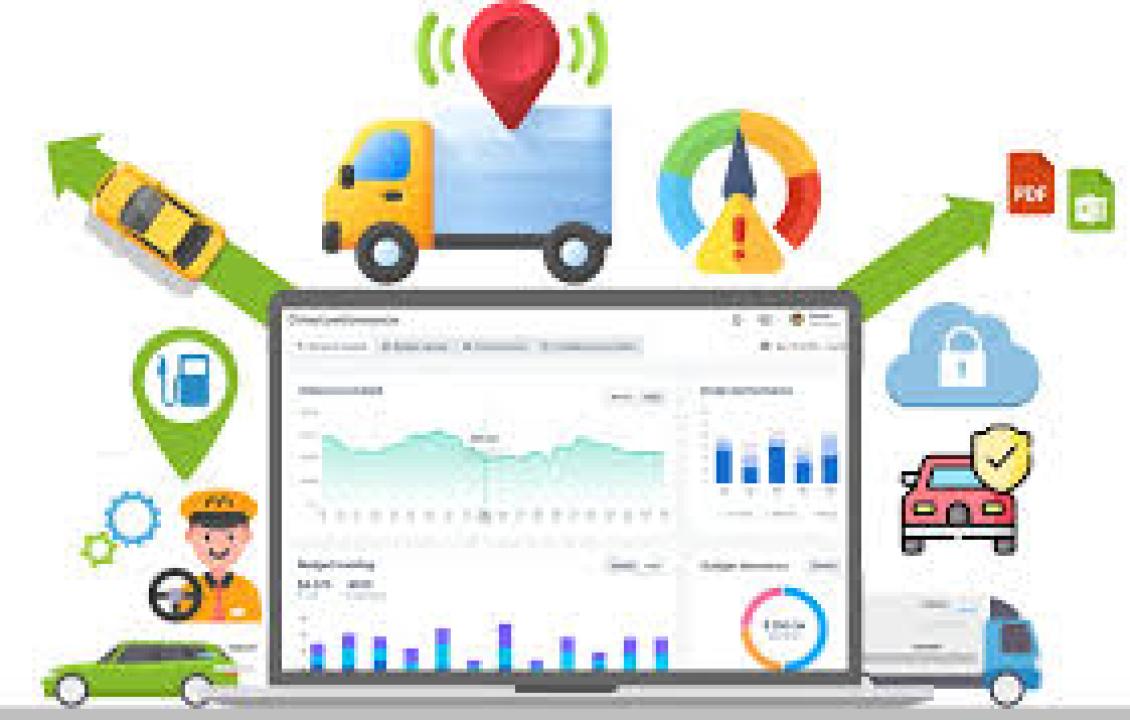
All-in-one software solutions are transforming how rental businesses operate. These platforms combine essential features like scheduling, billing, customer management, and reporting under one digital roof. This centralization not only boosts productivity but also improves customer satisfaction and overall business control.

Why Small Rental Businesses Need Unified Software
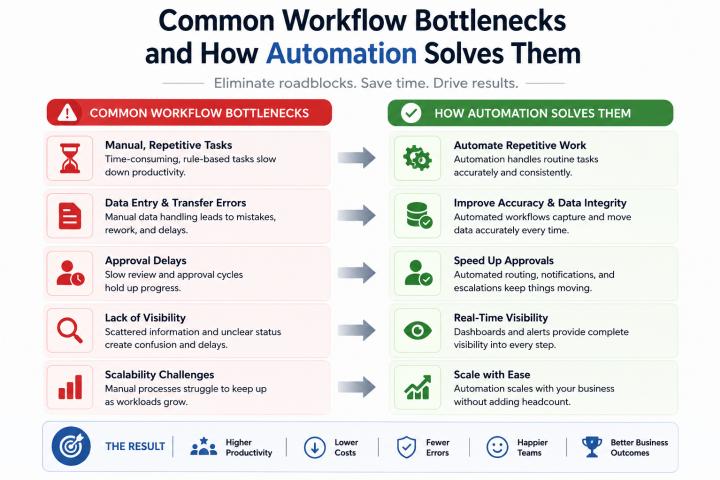
Manual methods and disconnected tools often lead to duplicated efforts, lost data, or missed opportunities. A unified platform enables small business owners to stay on top of their operations without switching between spreadsheets, calendars, and accounting systems.
Modern small rental business management software handles everything from customer inquiries to automated invoicing, reducing human error and freeing up time for growth-focused activities. Whether managing bicycles, party supplies, tools, or vacation homes, having a digital system in place creates a smoother experience for both staff and clients.
Features That Drive Efficiency
The best all-in-one rental software systems are packed with practical features designed to simplify daily operations. These often include:
- Real-Time Booking Management: Customers can check availability, book items, and receive instant confirmations without needing to call or email.
- Automated Billing and Invoicing: The system calculates rental fees, taxes, deposits, and discounts, generating invoices automatically and sending reminders when payments are due.
- Inventory Tracking: Items are marked as checked out, returned, under maintenance, or reserved, reducing the risk of double-bookings or lost equipment.
- Digital Contracts and Signatures: Documents can be created and signed online, accelerating the rental process and keeping records organized.
- Customer Communication Tools: Automated messages and alerts improve engagement, while customer data remains stored for repeat business and loyalty incentives.
Such functionality allows small rental businesses to operate with the efficiency of a larger enterprise—without needing a full IT department. Equipment rental software is a great example of a platform that includes all these features while catering specifically to businesses managing physical inventory.
Specialized Software for Equipment Rentals
Businesses that deal with physical tools, machinery, or vehicles face unique challenges such as wear and tear, safety inspections, and logistical coordination. This is where rental software becomes essential.
These specialized platforms support asset tracking, condition reporting, service history, and scheduling. For companies that rent out heavy equipment, this software helps ensure compliance with safety standards while optimizing utilization rates. It also provides valuable insights into asset ROI, helping businesses make smarter purchasing or retirement decisions.
Custom Development for Niche Rental Needs
Not every rental operation fits neatly into a one-size-fits-all solution. Companies with unique requirements—such as mixed rental and retail models, tiered pricing structures, or complex property management—often benefit from custom software development.
Rental property management software development focuses on creating tailored systems that match a business's exact workflows. Custom-built platforms may include integrations with local tax systems, CRM tools, or mobile apps for on-site staff. This flexibility provides greater control and a competitive advantage, particularly in markets where efficiency and customer experience make a real difference.
Choosing the Right Solution
Selecting the ideal software requires a clear understanding of business needs, customer expectations, and operational challenges. Key factors to evaluate include:
- Ease of Use: The interface should be intuitive for both staff and customers, minimizing the learning curve.
- Scalability: As the business grows, the software should support additional products, users, and locations.
- Mobile Access: Remote access helps manage bookings and monitor operations on the go.
- Integration Capabilities: Compatibility with accounting tools, payment gateways, and marketing platforms adds value and convenience.
- Customer Support and Training: Reliable support ensures minimal downtime and faster adoption for teams.
The right solution does more than solve today’s problems—it prepares your business for tomorrow’s growth.
Conclusion
Managing a rental business doesn't have to mean juggling spreadsheets and chasing paperwork. All-in-one software solutions provide small rental businesses with the tools to handle bookings, inventory, billing, and customer service efficiently under one system. Whether you're managing equipment, vehicles, or vacation rentals, having the right technology can dramatically improve your operations.
Solutions like purpose-built software and custom platforms empower businesses to scale operations without sacrificing service quality. As customer expectations evolve and competition intensifies, smart digital tools are no longer optional—they’re essential for long-term success. Construction project management & estimation software development can also support rental businesses operating in the construction domain, offering features tailored to the industry's specific needs.
Check out similar articles:
What Are the Different Types of Ecommerce Applications?
Why Every Contractor Need for Construction Estimating Software in 2025?
How Construction Estimating Software Saves Time and Money?