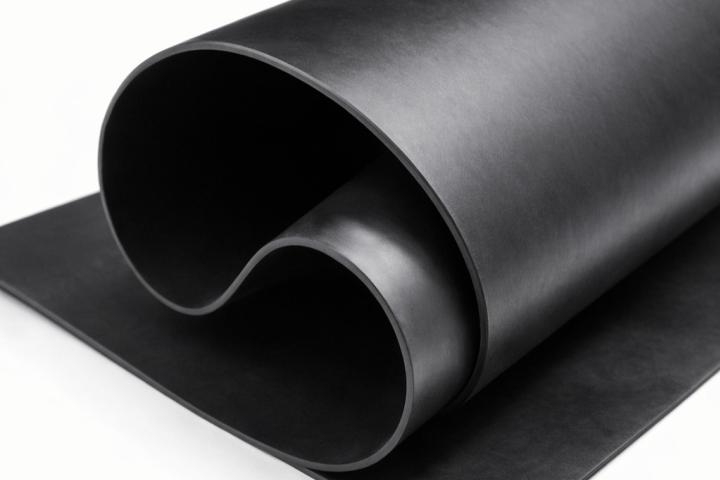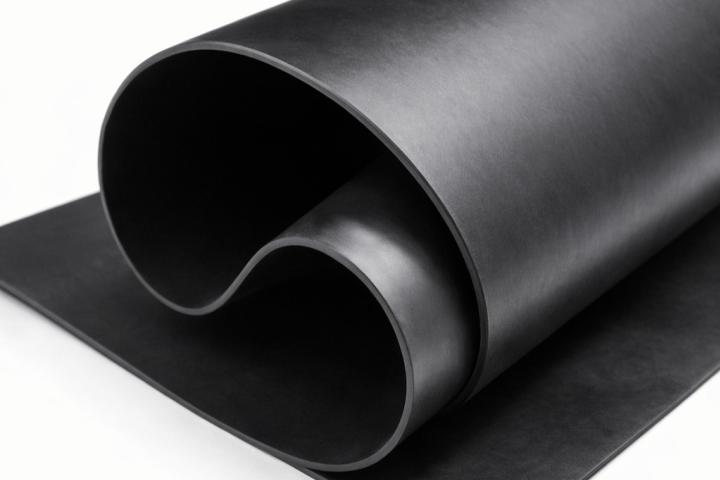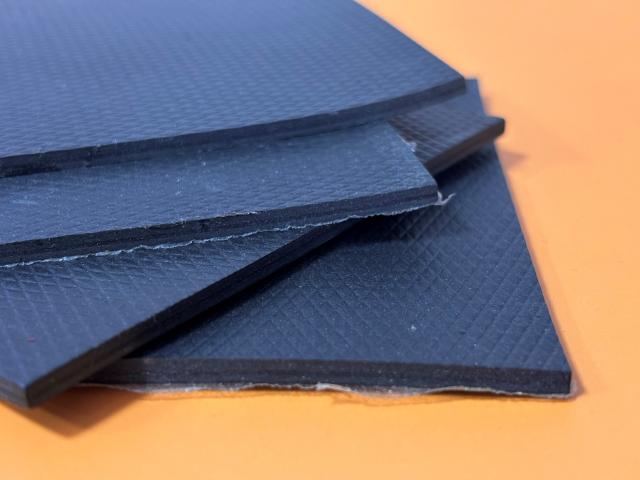

Whether you're trying to keep outside noise from invading your space or want to contain sound within a room, one material that consistently delivers is Mass Loaded Vinyl (MLV). Known for its exceptional density and flexibility, MLV has become a top choice for architects, designers, and contractors when it comes to soundproofing.
But like any high-performance product, Mass Loaded Vinyl will only give you optimal results when applied thoughtfully. Placement, pairing, installation method, and even the surface you apply it on can all impact how well it performs.
This blog dives into how you can get the most out of Mass Loaded Vinyl—whether you’re using it in residential, commercial, or industrial settings.
What Makes Mass Loaded Vinyl Effective?
At its core, Mass Loaded Vinyl is a viscoelastic material. It combines flexibility with high mass—two critical elements required to block sound transmission.
What sets it apart:
Thin yet heavy: Provides excellent soundproofing without taking up space.
Flexible: Easily conforms to uneven surfaces and complex layouts.
Non-toxic and safe: Suitable for indoor environments.
Fire-rated and moisture-resistant: Durable enough for commercial and industrial use.
Its effectiveness lies in its ability to stop airborne sound from passing through walls, ceilings, and floors—making it a key player in any layered acoustic system.
How It Works: The Science Behind MLV
Sound travels in waves, and when those waves hit a surface, they either get absorbed, reflected, or transmitted. Mass Loaded Vinyl is engineered to block transmission by adding mass and flexibility to a surface. It doesn’t just reflect sound—it dampens it, reducing reverberation and improving privacy.
This makes it especially useful for:
Speech isolation between rooms
Controlling mechanical and machinery noise
Enhancing audio clarity in studios or theaters
Maximizing Mass Loaded Vinyl’s Performance
Let’s look at the best strategies to make Mass Loaded Vinyl work harder and smarter in your space:
1. Start with Strategic Placement
One of the first and most important steps is identifying the sound leakage points. Applying MLV just anywhere won’t yield results—you must treat the right surfaces.
Where to install for maximum impact:
Walls: Sandwiched between drywall layers or fixed directly onto existing surfaces.
Ceilings: Hung above suspended grids or between joists to prevent vertical sound travel.
Floors: Laid under laminates, tiles, or carpets to reduce footfall and airborne noise.
Doors and windows: Used as acoustic wraps or curtains to seal minor but critical gaps.
Even a well-insulated wall can underperform if the door or ceiling remains untreated.
2. Combine with Complementary Materials
Think of Mass Loaded Vinyl as a barrier—not an all-in-one fix. Its performance improves significantly when paired with other acoustic materials.
Best combinations include:
Acoustic insulation (fiberglass or mineral wool) for sound absorption within cavities.
Resilient channels to create separation between structural layers.
Acoustic sealants and tapes to eliminate air gaps.
Drywall for aesthetic finishing and added mass.
A layered approach is always more effective than relying on a single material.
3. Get the Installation Right
Even premium materials underperform when installed poorly. For Mass Loaded Vinyl, installation is not just about fixing it to a surface—it’s about how you do it.
Installation best practices:
Always leave the MLV hanging limp rather than stretched tightly—this “limp mass” behavior is what absorbs vibrations.
Overlap seams by 2 inches and seal with acoustic tape.
Use screws, nails, or industrial adhesive depending on the surface.
Avoid puncturing the material unnecessarily, especially in sensitive zones.
If you’re installing it on ceilings, mechanical support is essential due to the material’s weight.
Address the Weak Points First
Sound is like water—it finds the smallest cracks to pass through. Even the best wall insulation won't matter if the door leaks noise or if the floor acts as a drum.
Focus on high-impact areas first:
Shared walls in apartments
Floors above basements or garages
Ceilings in conference rooms or home theaters
Doors in server rooms or sound booths
Plugging these gaps first with Mass Loaded Vinyl offers a fast and noticeable improvement in sound isolation.
6. Consider Layering for Higher STC Ratings
For projects with stricter acoustic demands, layering is the way to go.
Add a second layer of Mass Loaded Vinyl with staggered seams to prevent sound leaks.
Apply green glue between MLV layers for damping.
Finish with a drywall or acoustic panel for aesthetics and added mass.
This approach is commonly used in music studios, theaters, or high-end conference rooms.
7. Think Beyond Walls
The effectiveness of Mass Loaded Vinyl isn’t limited to walls. Creative applications can make a difference in niche areas.
Additional uses include:
Lining HVAC ducts to reduce vibration noise
Wrapping pipes and machinery
Using behind headboards in hospitality rooms
Integrating into moveable partitions or acoustic curtains
The more flexible your thinking, the more versatile this material becomes.
Common Mistakes to Avoid
Even seasoned professionals can make errors when handling Mass Loaded Vinyl. Avoid these pitfalls:
Leaving seams or edges unsealed
Using it without decoupling structures
Installing it too tight or flat
Skipping tape or sealant on joints
Overloading ceilings without structural support
Every weak point can let sound seep through and reduce the overall performance.
Conclusion
Mass Loaded Vinyl is a powerful tool in the world of acoustic control—but only when used thoughtfully. It’s not a magic fix but a precision-engineered product that thrives as part of a complete soundproofing system.
To get the most out of it:
Plan the layout strategically
Pair it with the right materials
Install it correctly
Choose the appropriate weight
Seal every gap and edge
When all these elements come together, Mass Loaded Vinyl can turn a noisy, echo-prone space into one that feels quieter, more private, and more professional.
Visit : https://www.tranquilglobal.com/index.html