
Recovering from injury or chronic pain in a fast-paced city like Singapore can feel like a never-ending battle. Whether you're an office professional battling posture-related discomfort, an athlete pushing your physical limits, or simply someone looking to improve your mobility, the right recovery approach can change your life.
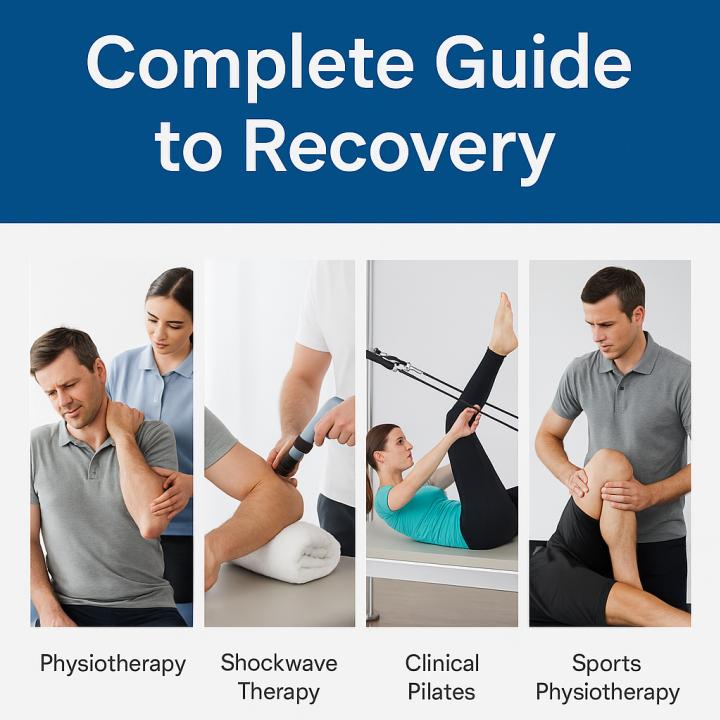
That’s where physiotherapy, shockwave therapy, clinical Pilates, and sports physiotherapy step in as powerful, proven solutions—all of which are available under one roof at a trusted physiotherapy clinic in Singapore.
In this article, we’ll explore how these therapies work, who they benefit most, and why they are becoming increasingly popular in Singapore’s health and wellness landscape.
Why Physiotherapy Is a Game Changer in Singapore
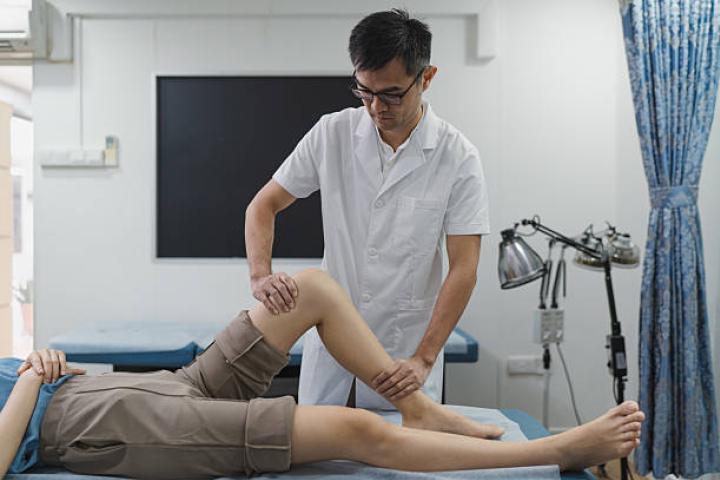
Physiotherapy isn’t just for people recovering from surgery or major accidents. It’s widely used by everyday individuals suffering from back pain, neck tension, sports injuries, or even long-standing joint stiffness. The goal? To reduce pain, restore movement, and prevent future injuries—all through non-invasive, targeted care.
At iPhysio, a modern physiotherapy clinic in Singapore, patients are given personalized care plans based on their unique needs. Treatments may include manual therapy, guided exercises, dry needling, or even advanced modalities like shockwave therapy.
What makes a physiotherapist truly effective is not just treatment, but education—teaching patients how to manage and prevent symptoms long-term. This is especially critical in urban Singapore, where sedentary life>
Shockwave Therapy: The Breakthrough for Chronic Pain Relief
For those struggling with stubborn conditions like plantar fasciitis, tennis elbow, or calcific tendinitis, traditional physiotherapy alone may not be enough. That’s where shockwave therapy in Singapore comes in.
Shockwave therapy uses acoustic energy waves to stimulate blood flow and speed up tissue regeneration. It’s quick (typically 20–30 minutes per session), non-surgical, and backed by clinical research.
At iPhysio, shockwave therapy is administered only after a proper assessment, ensuring it’s suitable for the patient’s condition. Patients often report noticeable relief after just 2–3 sessions, especially when the treatment is combined with physiotherapy or clinical Pilates for full recovery support.
Clinical Pilates: The Smart Rehab Approach for Core Stability
Pilates has gained a loyal following in Singapore—but clinical Pilates takes it a step further. Unlike regular Pilates classes, clinical Pilates is led by a physiotherapist and customized for rehabilitation.
Offered at iPhysio’s Clinical Pilates program, it’s ideal for those recovering from injuries, suffering from chronic lower back pain, or looking to improve posture and core stability. Exercises are tailored to the individual’s biomechanics and recovery goals, often incorporating matwork and reformer-based movements.
Patients benefit from:
1. Improved posture and spinal alignment
2. Enhanced balance and flexibility
3. Injury prevention through functional movement patterns
Clinical Pilates works hand-in-hand with other therapies. For example, a patient recovering from a shoulder injury may first undergo shockwave therapy for pain relief, then transition into clinical Pilates to regain strength and mobility.
Sports Physiotherapy: Not Just for Athletes
Think sports physiotherapy is just for professional athletes? Think again.
Whether you're training for a marathon or enjoy weekly football with friends, your body is prone to injuries from overuse or poor technique. At iPhysio’s sports physiotherapy department, physiotherapists work with weekend warriors and elite athletes alike to treat and prevent common sports injuries such as:
1. ACL tears
2. Ankle sprains
3. Runner’s knee
4. Rotator cuff injuries
5. Shin splints
The process includes movement assessments, hands-on treatment, and return-to-play planning, ensuring athletes regain full function safely and quickly.
Importantly, iPhysio focuses on evidence-based care, meaning athletes receive only proven techniques that support real-world performance.
FAQs: Your Physiotherapy Questions Answered
1. How soon can I see results from physiotherapy?
Many patients report improvements within a few sessions. However, full recovery depends on the severity of the issue and patient adherence to the treatment plan.
2. Is shockwave therapy painful?
Most patients experience mild discomfort during treatment, similar to a tapping or pulsing sensation. The discomfort typically subsides quickly, and the pain relief can be long-lasting.
3. Do I need a referral to see a physiotherapist at iPhysio?
No referral is needed. You can book a consultation directly through the iPhysio website.
4. How is clinical Pilates different from regular Pilates classes?
Clinical Pilates is led by physiotherapists and designed for injury recovery or prevention. It focuses on medically-informed movement patterns rather than general fitness.
5. Can physiotherapy help me avoid surgery?
In many cases, yes. Physiotherapy, combined with advanced modalities like shockwave therapy, can delay or even eliminate the need for surgical intervention.
Conclusion: A Smarter Way to Heal in Singapore
Singaporeans are increasingly turning to integrated physiotherapy solutions that go beyond temporary fixes. Whether you're battling long-term pain, recovering from an injury, or looking to improve your functional movement, the path to healing starts with expert care.
The team at iPhysio combines cutting-edge treatments like shockwave therapy, clinical pilates singapore, and sports physiotherapist singapore to deliver personalized care that works.
Don’t let pain hold you back—take your first step toward recovery today.