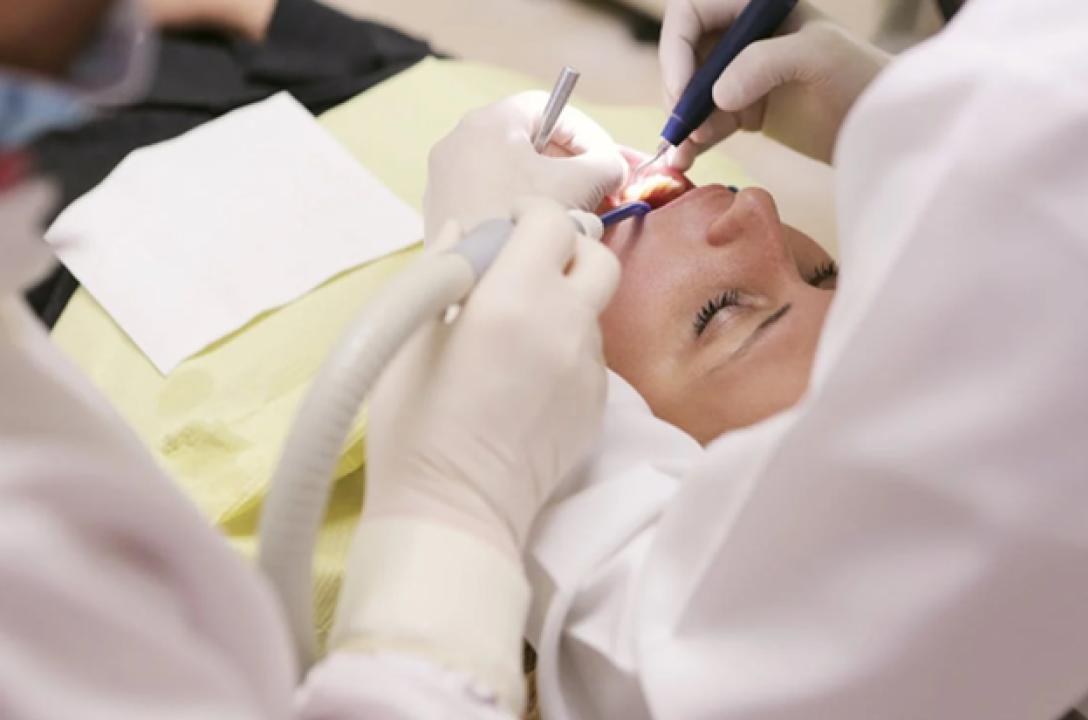
Preparing for Wisdom Teeth Extraction
One of the
most important decisions when planning your wisdom teeth removal is
choosing between local or general anaesthesia. Both options are widely
used and safe but differ in how they impact your comfort, recovery, and
overall experience. Your choice will largely depend on the complexity of
the procedure, your personal comfort level, and any underlying medical
conditions.
Local Anaesthesia: Simple and Effective for Routine Extractions
Local anaesthesia involves injecting numbing medication around the wisdom teeth to block pain while keeping you fully awake. Here's what to expect:
- You’ll stay awake during the procedure but won’t feel any pain—just pressure.
- Minimal downtime: Recovery is typically faster, and you’ll be able to leave the clinic shortly after the procedure.
- Cost-effective: This option tends to be more affordable and is often preferred for uncomplicated extractions, especially when budgeting for wisdom teeth removal cost in Sydney or other metro areas.
Local anaesthesia is a great fit if your wisdom teeth have already erupted or are only mildly impacted.
General Anaesthesia: Preferred for Complex or Multiple Extractions
General
anaesthesia puts you completely to sleep, so you won’t be aware of the
surgery. It is usually administered in a hospital or surgical clinic
under the care of an anaesthetist. Consider general anaesthesia if:
- You’re having multiple or severely impacted teeth removed
- You experience high dental anxiety or have a sensitive gag reflex
- You’ve had traumatic dental experiences in the past
This
method requires more pre-op preparation, and you’ll need someone to
accompany you and help you home after the procedure. Clinics that offer affordable wisdom teeth removal in Melbourne typically provide both anaesthesia options and tailor their approach based on patient needs.
Safety and Recovery: What You Should Know
Both anaesthesia types are considered safe, but it’s important to understand their differences:
Local Anaesthesia Risks
- Mild discomfort or pressure during surgery
- Temporary numbness after the procedure
General Anaesthesia Risks
- Nausea, drowsiness, or dizziness during recovery
- Slightly longer downtime and post-op monitoring
Recovery Tips for Both Options
- Follow your dentist’s instructions on eating, oral hygiene, and activity limitations
- Use prescribed medications for pain and swelling control
- Stay hydrated and avoid smoking for a smoother recovery
Making the Right Choice for You
Choosing between local and general anaesthesia is personal and should be discussed with your oral surgeon. Factors that help guide the decision include:
- Number of teeth being removed
- Position and condition of the teeth
- Medical history and personal comfort
- Your preference to be awake or asleep during the procedure
During
your initial consultation, your dentist can explain the pros and cons
based on your specific case. If you’re cost-conscious, it’s also wise to
compare providers and understand your options, particularly regarding wisdom teeth removal Melbourne cost, which can vary by clinic and complexity.
Final Thoughts
Whether
you choose local or general anaesthesia, the goal is the same—a smooth,
comfortable wisdom teeth extraction with minimal stress and effective
recovery. A thorough conversation with your dental provider will help
you feel informed and confident in your decision.
The
author is a Sydney-based dentist with a focus on providing gentle,
affordable care for patients in need of wisdom teeth extraction.
Committed to patient education and high-quality outcomes, he offers
services across preventive, restorative, and surgical dentistry. Learn
more at https://wisdomteethremoval.com.au