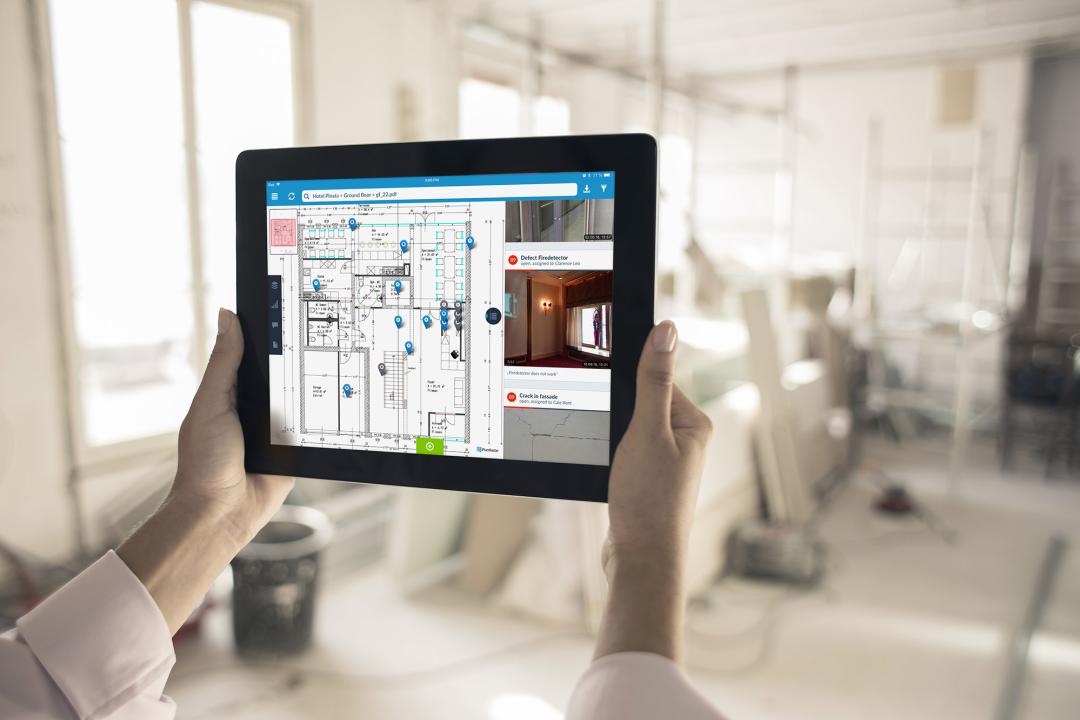
Facility professionals are under constant pressure to manage complex systems, handle emergencies, and keep buildings running smoothly—all while being expected to do more with less. But too often, critical building data is stored in outdated formats: paper binders, scattered file systems, or memory-dependent workflows. Building management software offers a smarter way forward, providing facility teams with real-time mobile access to essential documentation like floor plans, shutoff locations, and equipment records.
This digital shift doesn’t just streamline tasks—it transforms how teams operate under pressure and collaborate in the field.
When Critical Building Data is Hard to Find
Facility technicians need fast answers—Where’s the shutoff? When was the last inspection? What’s behind this wall? Without quick access to building data, small issues can turn into big problems. Common challenges include:
-
Searching through outdated floor plans
-
Incomplete asset documentation
-
Missed maintenance due to poor record-keeping
-
Inefficiencies when new staff join the team
These issues reduce response time, increase operational risk, and add stress to already overburdened facility teams.
The Role of Mobile-First Facility Tools
The best facility management solution doesn’t just store information—it makes it instantly accessible from any device. Mobile platforms empower technicians to work more independently and efficiently by:
-
Viewing real-time, annotated floor plans
-
Finding emergency shutdowns on the spot
-
Accessing asset records and service history
-
Uploading photos and notes from the field
Instead of relying on paper or memory, teams can make informed decisions quickly—even in high-stakes situations.
Emergency Response Without the Guesswork
During an emergency, hesitation is costly. Whether it’s a water leak, fire alarm, or gas line issue, every second matters. Teams need to act fast—but only if they have the right information.
Digital building tools support emergency readiness by:
-
Guiding staff to the nearest shutoff using location-based maps
-
Providing step-by-step protocols that reduce confusion
-
Ensuring access to emergency information for every team member
-
Improving communication with responders through visual data
When emergencies happen, access to reliable building documentation ensures that everyone is on the same page—literally.
Future-Proofing Knowledge in a Changing Workforce
Turnover is a reality in facility operations, but that doesn’t mean knowledge has to walk out the door. Veteran staff members carry years of experience, and without a way to document it, that expertise can be lost.
A mobile platform helps future-proof your team by allowing:
-
Custom notes attached to floor plans or system components
-
Ongoing documentation of service routines and exceptions
-
A searchable history of past issues, fixes, and upgrades
-
Easier onboarding for new staff with visual references
This helps create a lasting operational memory that supports consistency and performance across all shifts.
Boosting Efficiency in Day-to-Day Operations
Beyond emergencies, building documentation plays a key role in routine tasks—like preventive maintenance, inspections, and contractor visits. When data is centralized and easy to access, teams spend less time searching and more time solving.
Benefits include:
-
Reduced duplication of effort
-
Faster turnaround for work orders
-
Smarter maintenance scheduling
-
Stronger compliance documentation
Ultimately, building intelligence enables building efficiency—saving time, reducing cost, and increasing service quality.
Building Confidence with Better Access
ARC Facilities delivers building management software that puts essential building data—floor plans, emergency maps, shutoff locations, and asset information—into the pockets of your facility team. Designed to work alongside your existing systems, ARC’s mobile-first approach helps reduce risk, speed up response, and simplify daily operations.
It's not just about digitizing documents—it's about enabling smarter, faster facility work across the board.